
Nvidia loves the RAM crisis
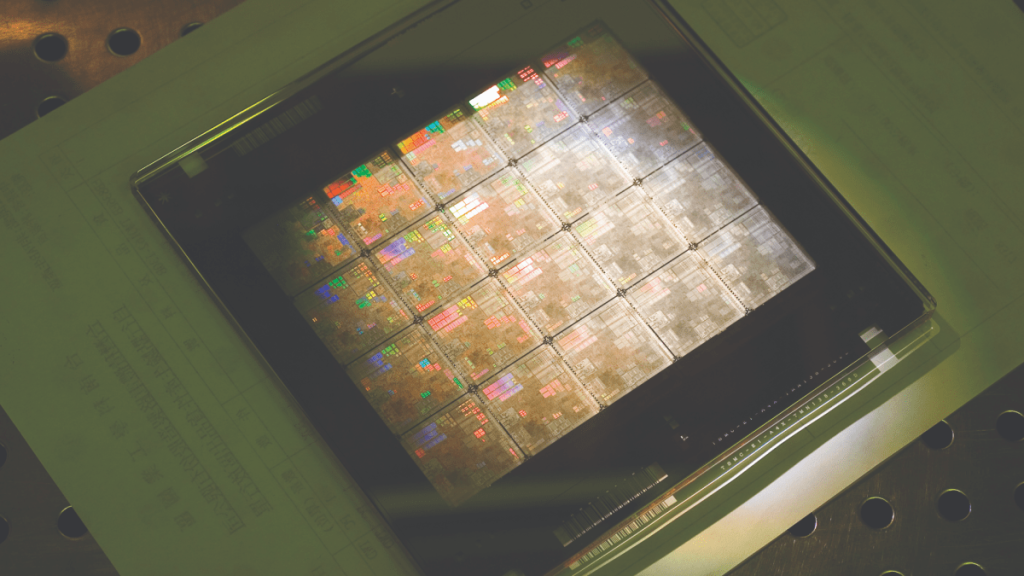
Nvidia’s CEO Jensen Huang Thrilled by Global Tech Shortages: “I Think the Fact That Everything Is Scarce Is Fantastic for Us”
In a stunning revelation that has sent shockwaves through the tech industry, Nvidia’s CEO Jensen Huang has openly expressed his enthusiasm about the ongoing global shortages of critical tech components. During a recent Morgan Stanley Technology, Media & Telecom Conference, Huang declared, “I think the fact that everything is scarce is fantastic for us,” a statement that has both impressed investors and frustrated consumers worldwide.
The Perfect Storm of Scarcity
The technology sector is currently experiencing unprecedented shortages across multiple fronts. Storage solutions, particularly DRAM and SSDs, have become increasingly difficult to source, with industry experts predicting these constraints could last anywhere from months to years. Graphics cards remain elusive for many consumers, while RAM prices have skyrocketed to levels that even major PC manufacturers are struggling to manage.
These shortages aren’t occurring in isolation. The massive “AI” data center buildout has created a perfect storm of demand that’s straining every aspect of the supply chain. From copper and multilayer ceramic capacitors to entire manufacturing facilities, the ripple effects of this AI gold rush are being felt across the entire electronics industry.
Huang’s Strategic Vision
When questioned about these constraints during the conference, Huang responded with characteristic optimism. “I love constraints,” he stated. “In a world of constraints, you have no choice but to choose the best.” This philosophy appears to be working extraordinarily well for Nvidia, as the company finds itself perfectly positioned to capitalize on the current market conditions.
The CEO elaborated on how these constraints actually benefit Nvidia’s business model. When data center operators face limitations on land, power, and physical infrastructure, they’re forced to make extremely selective decisions about their technology investments. Huang emphasized that Nvidia’s comprehensive solutions and proven track record make the company the obvious choice for these critical infrastructure decisions.
The Balance Sheet Advantage
One of Huang’s most revealing statements concerned Nvidia’s financial position. He described the company’s strong balance sheet as not just helpful, but “strategic.” This financial strength allows Nvidia to secure massive amounts of supply chain capacity, providing manufacturers with the confidence to invest in production facilities knowing they have guaranteed customers.
Huang illustrated this point by explaining how Nvidia’s commitment to purchase specific components or manufacturing capacity gives suppliers the confidence to invest in expensive infrastructure. “If you set up a factory, a plant, a DRAM plant, and I come in and say, ‘You know what? Go ahead and set up the DRAM plant because I’m gonna use it,’ that goes a long way,” he explained.
The Consumer Impact
While Nvidia’s enterprise business flourishes, the company’s consumer-facing operations tell a different story. At the recent Consumer Electronics Show, Nvidia allocated minimal attention to gaming products, instead focusing almost exclusively on industrial and enterprise applications. This shift in priorities has led to speculation about the company’s commitment to the gaming market that helped build its reputation.
Reports suggest Nvidia is scaling back production of its RTX 5000 series graphics cards and may have canceled plans for mid-cycle “Super” card refreshes. This strategic pivot appears designed to maximize the company’s focus on the more lucrative enterprise market, where profit margins and demand are significantly higher.
Gaming Market Dominance
Ironically, even as Nvidia seemingly deprioritizes gaming, the company maintains an iron grip on the consumer graphics market. Recent data shows Nvidia controlling an astonishing 94% of the discrete graphics card market for desktops and laptops. This dominance has only increased over the past year, with competitor AMD’s share dropping from 15% to just 5%, while Intel holds a mere 1% sliver of the market.
This market concentration means that despite any perceived neglect, gamers continue to overwhelmingly choose Nvidia products, effectively voting with their wallets even as they face limited alternatives.
The AI Revolution
The current situation represents a fundamental shift in the technology landscape. What began as a gaming graphics company has transformed into the backbone of the AI revolution. Nvidia’s GPUs are now essential components in everything from large language model training to advanced data center operations, making the company’s technology virtually irreplaceable in many applications.
This transformation has propelled Nvidia’s valuation to approximately $4.5 trillion, with annual revenues exceeding $130.5 billion and growing at over 100% year-over-year. The majority of this revenue now comes from data center customers rather than traditional gaming applications.
The Future Landscape
As the technology industry continues to evolve at breakneck speed, Nvidia’s position appears increasingly secure. The company’s comprehensive ecosystem, from hardware to software to development tools, creates significant switching costs for customers considering alternatives. This lock-in effect, combined with the ongoing scarcity of alternatives, suggests Nvidia’s dominance may continue to grow in the coming years.
For consumers and smaller businesses struggling with component shortages and price increases, the current situation offers little relief. However, for investors and enterprise customers, Nvidia’s strategic positioning represents a masterclass in capitalizing on industry-wide challenges.
#Tags
Nvidia #JensenHuang #AI #TechShortages #DataCenters #GraphicsCards #Gaming #SupplyChain #Technology #Investment #MarketDominance #EnterpriseComputing #AIrevolution
#ViralSentences
“Everything is scarce is fantastic for us” – Jensen Huang
“I love constraints” – Nvidia CEO
Nvidia controls 94% of the graphics card market
$4.5 trillion company riding the AI wave
Gaming takes a back seat to enterprise profits
The end of gaming as we know it?
Nvidia’s balance sheet is “strategic” not just “helpful”
AI factories are the new gold rush
Why can’t I buy a graphics card in 2025?
The company that ate the tech industry
Jensen Huang swimming in gold coins
When scarcity becomes a business strategy
The death of competition in tech hardware
How one company controls the future of computing
Your next upgrade might be impossible to find
,


Leave a Reply
Want to join the discussion?Feel free to contribute!