
TechCrunch Mobility: Rivian’s R2 gambit
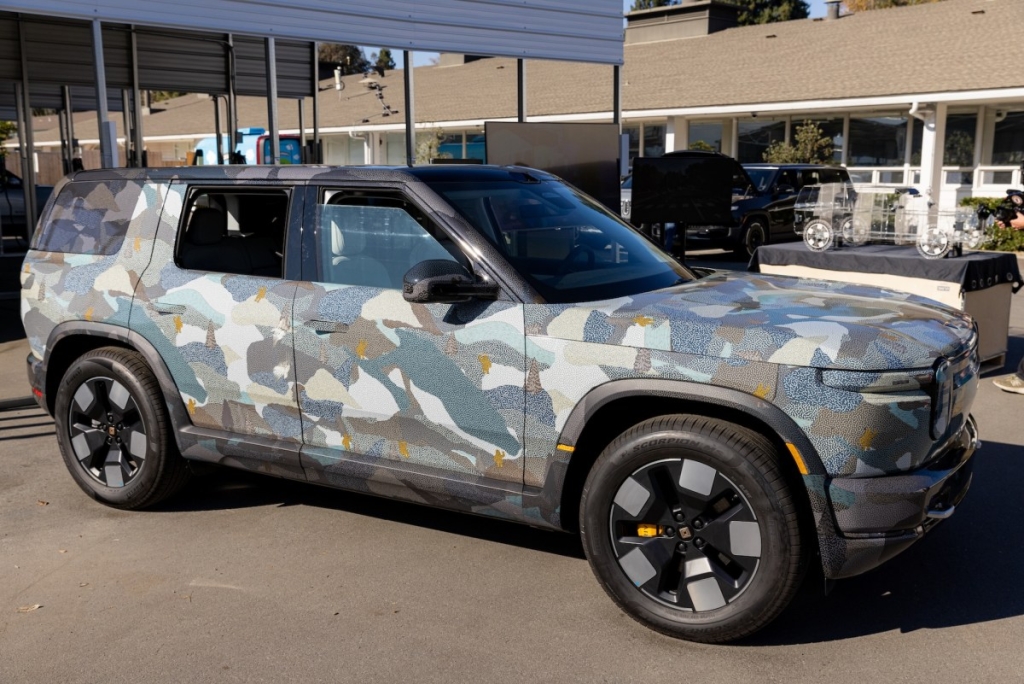
Rivian’s R2 Gamble: Betting Big on One of the Fastest EV Launches in U.S. History
In a bold move that could redefine the electric vehicle market, Rivian is preparing to launch its highly anticipated R2 SUV with a sales target that would make it one of the fastest-selling EVs in U.S. history. The company aims to sell between 20,000 and 25,000 units in the first six months after production begins this June—a feat that would outpace every other electric vehicle under $60,000 except for Tesla’s Model Y.
This ambitious launch comes at a critical juncture for Rivian. The company has established itself as a premium electric vehicle manufacturer with its R1T pickup truck and R1S SUV, but the R2 represents a significant shift toward the mass market. With a starting price around $45,000, the R2 positions Rivian to compete directly with established players like Tesla, Ford, and GM in the increasingly crowded EV segment.
Senior reporter Sean O’Kane’s analysis reveals the sheer magnitude of Rivian’s bet. If the company hits the lower end of its projection, it would need to maintain a sales rate that exceeds every comparable EV launch in recent history. This isn’t just about meeting production targets—it’s about establishing Rivian as a mainstream brand capable of competing with the automotive giants that have dominated the market for decades.
The six-month window to achieve this goal creates immense pressure on every aspect of Rivian’s operations. From manufacturing capacity at its Normal, Illinois plant to supply chain logistics, quality control, and customer service infrastructure, the company must execute flawlessly across multiple dimensions simultaneously. Any significant delay or quality issue could derail the entire launch timeline.
Rivian’s strategy appears to hinge on pent-up demand from consumers who have been waiting for a more affordable electric SUV option. The company has cultivated a loyal customer base through its existing product lineup, and the R2’s combination of competitive pricing, impressive range, and Rivian’s distinctive design language could prove irresistible to many buyers.
However, history suggests that simply having a good product isn’t enough to guarantee sales success in the automotive industry. Tesla’s meteoric rise was built not just on innovative vehicles but also on a unique direct-to-consumer sales model, a robust charging network, and a masterful marketing strategy that turned its vehicles into cultural icons. Rivian will need to find its own formula for creating similar momentum.
The company’s approach to distribution will be particularly crucial. Unlike Tesla, Rivian has maintained a hybrid model with both company-owned stores and traditional dealerships. This strategy could provide valuable market presence in regions where direct sales are restricted, but it also introduces complexity in terms of inventory management, pricing consistency, and customer experience.
Marketing will play an equally important role. Rivian has cultivated an image as an adventurous, outdoors-oriented brand, and the R2 will need to reinforce this identity while appealing to a broader audience. The company’s marketing team faces the challenge of communicating the vehicle’s value proposition effectively across multiple channels while differentiating it from competitors in a crowded market.
Pricing strategy adds another layer of complexity. At $45,000, the R2 sits in a sweet spot for many consumers, but it’s also an extremely competitive segment. Every dollar matters, and Rivian will need to carefully balance profitability with market share objectives. The company’s ability to offer competitive financing terms and attractive lease options could significantly impact sales velocity.
Supply chain management represents perhaps the greatest operational challenge. The automotive industry continues to grapple with semiconductor shortages, raw material price volatility, and logistics disruptions. Rivian’s ability to secure components and maintain production schedules will be critical to meeting its ambitious launch targets.
The timing of the R2 launch also raises interesting questions about market conditions. Interest rates remain elevated, potentially affecting consumer willingness to make large purchases. Meanwhile, competition in the EV space continues to intensify, with legacy automakers pouring billions into electric vehicle development and new entrants emerging regularly.
Rivian’s success with the R2 could have far-reaching implications for the entire automotive industry. A strong launch would validate the company’s business model and potentially accelerate the transition to electric vehicles by demonstrating that premium EV manufacturers can successfully expand into more affordable segments. Conversely, a disappointing launch could raise questions about the viability of Rivian’s long-term strategy.
The company’s financial position adds another dimension to the analysis. Rivian has raised substantial capital through various funding rounds, but it continues to operate at a loss as it scales production and invests in future products. The R2 represents a critical step toward achieving profitability, and its success or failure could significantly impact investor confidence and the company’s ability to raise additional capital.
Looking ahead, Rivian’s strategy appears to extend beyond just selling vehicles. The company has invested in charging infrastructure, software development, and services that could create additional revenue streams and strengthen customer loyalty. The R2 launch represents an opportunity to showcase these capabilities and build a more comprehensive ecosystem around its vehicles.
As the June launch date approaches, all eyes will be on Rivian’s execution. The company has demonstrated technical capability and design excellence with its previous models, but the R2 represents a fundamentally different challenge—moving from a niche luxury brand to a mainstream manufacturer capable of sustaining high-volume production and sales.
The automotive industry rarely sees such ambitious launch targets, and Rivian’s success or failure could influence strategies across the sector. If the company can achieve its goals, it would represent a remarkable achievement for a relatively young automaker and potentially accelerate the broader transition to electric transportation.
For now, the question remains: what tactical moves will Rivian employ to reach its ambitious target? The company’s marketing, distribution, and operational strategies in the coming months will provide crucial insights into how traditional automotive companies might need to evolve to compete in an increasingly electric future.
Tags: Rivian, R2, electric vehicles, EV launch, automotive industry, Tesla, Model Y, EV sales, electric SUV, Rivian R2 launch, EV market, automotive manufacturing, electric vehicle strategy
Viral Phrases:
- “One of the fastest EV launches in U.S. history”
- “Betting the company on the R2”
- “Rivian’s audacious sales target”
- “The R2 gamble that could make or break Rivian”
- “Six months to sell 20,000+ EVs”
- “Rivian’s mass market moment”
- “The $45,000 EV that’s got everyone talking”
- “Can Rivian pull off the impossible?”
- “Rivian’s race against time and Tesla”
- “The EV launch that’s keeping automakers up at night”
,

Leave a Reply
Want to join the discussion?Feel free to contribute!