
The Windows Phone Keyboard Was Brilliant
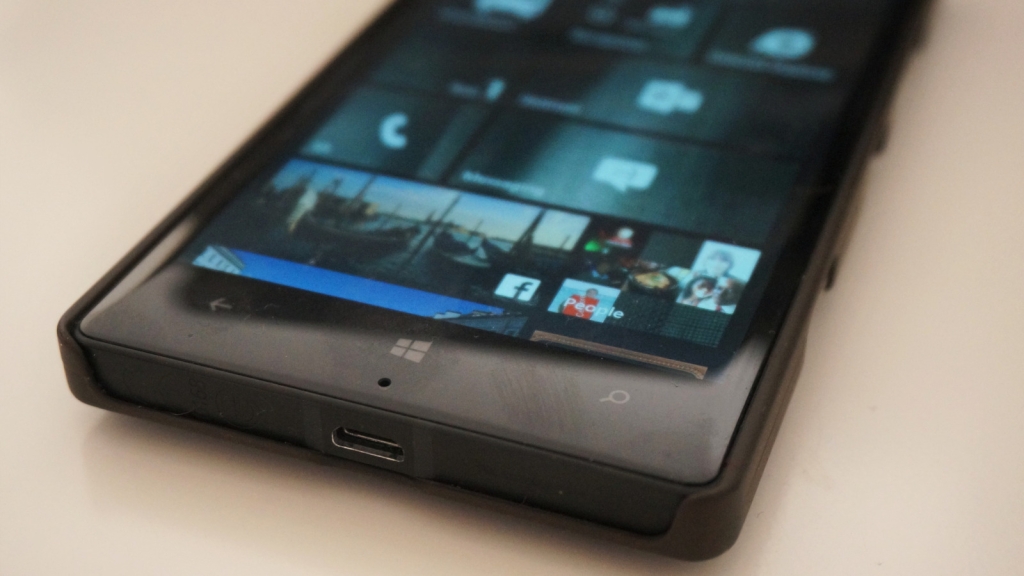
The Windows Phone Keyboard Was Brilliant—Apple and Android Should Be Using It
If you’ve ever struggled with autocorrect fails, missed keystrokes, or the frustrating lag between your brain and your thumbs, there’s a good chance you’ve never used the Windows Phone keyboard. While Windows Phone itself is now little more than a footnote in mobile history—a casualty of the iOS-Android duopoly—one of its most underrated innovations deserves a revival. The Windows Phone keyboard wasn’t just functional; it was brilliant. And in 2025, it’s high time Apple and Google took notice.
A Lost Gem in the Graveyard of Operating Systems
Windows Phone may have been short-lived, but it was packed with clever ideas. From its clean, tile-based interface to its deep integration with Microsoft services, it felt like a breath of fresh air compared to the established giants. Yet, for all its strengths, it was the virtual keyboard that truly stood out—an unsung hero that could have reshaped how we type on smartphones today.
Back in 2012, Microsoft published a detailed blog post explaining the magic behind its keyboard. Developer Laura Butler later expanded on this in a 2019 video, revealing the simple yet ingenious principle at its core: predictive hit zones. The keyboard didn’t just guess what word you were typing—it anticipated which letters you were most likely to hit next and subtly enlarged their “touch targets” without changing the visible key sizes. This made typing faster, more accurate, and far less frustrating.
The Science of Smarter Typing
Here’s how it worked: If you typed “T,” the system calculated that “H” was highly probable next (think “The,” “This,” “That”). It then increased the invisible touch area for “H,” making it easier to hit accurately. Conversely, letters like “X” or “Z” would have their touch zones shrunk, since they were statistically unlikely to follow. This dynamic adjustment happened in real-time, powered by a “probability-based real-time engine for guessing.”
Butler explained it best: “If you type ‘T,’ then ‘H’ in the English language, the probability of the next letter being an ‘E’, an ‘R’, an ‘A’, and ‘I’ are high, and the probability being an ‘X’… wasn’t very high.” The result? Fewer typos, less backspacing, and a typing experience that felt almost telepathic.
Why This Matters More Than Ever
In an era where mobile typing is more critical than ever—whether you’re firing off a quick text, drafting an email, or taking notes on the go—every millisecond counts. Physical keyboards, like the retro-inspired Clicks Communicator seen at CES 2026, have their fans, but they can’t adapt to the quirks of human error the way a smart virtual keyboard can. Fat fingers, rushed thumbs, and autocorrect fails are universal pain points. The Windows Phone keyboard’s predictive hit zones addressed these issues head-on.
Yet, despite the clear advantages, neither Apple’s iOS nor Google’s Gboard has implemented anything quite like it. Both companies rely on autocorrect and word prediction, but neither dynamically adjusts the touch targets of individual keys based on statistical likelihood. It’s a subtle difference, but one that could make a world of difference for millions of users.
A Call to Action for Apple and Google
I reached out to both Apple and Google to ask if they had any plans to incorporate this technology. As of now, neither has responded. But the silence speaks volumes. If the tech industry truly values innovation, then resurrecting and refining this idea should be a no-brainer.
Imagine a world where your keyboard doesn’t just guess your words but actively helps you type them faster and more accurately. Where typos become a rarity, not a ritual. Where the frustration of missed keystrokes is a thing of the past. That’s the promise of the Windows Phone keyboard—and it’s a promise that Apple and Google should be eager to keep.
A Nostalgic Nod to a Forgotten Platform
As someone who was a big fan of Windows Phone, rediscovering this feature felt like stumbling upon a lost treasure. It’s a bittersweet reminder of what could have been—a platform ahead of its time, with innovations that still outshine the status quo. The Windows Phone keyboard wasn’t just good; it was brilliant. And in a world where typing is more important than ever, it’s high time we brought that brilliance back.
So here’s to hoping that somewhere in Cupertino or Mountain View, a developer is watching Laura Butler’s 2019 video and thinking, “Why aren’t we doing this?” Because if there’s one thing the tech world needs right now, it’s a little more of that Windows Phone magic.
Tags: Windows Phone, keyboard innovation, predictive typing, autocorrect, mobile typing, iOS, Android, Gboard, Apple, Google, tech nostalgia, Laura Butler, touch targets, smartphone keyboard, mobile innovation, underrated tech, typing speed, accuracy, software design
Viral Phrases: “The Windows Phone keyboard was brilliant,” “Apple and Android should be using it,” “Predictive hit zones,” “Typing magic,” “Lost gem of mobile tech,” “Why aren’t we doing this?” “The graveyard of operating systems,” “Sausage fingers, meet your savior,” “Dynamic touch targets,” “Autocorrect’s smarter sibling,” “A keyboard that thinks ahead,” “The future of typing is in the past,” “Microsoft’s unsung hero,” “Typing, but make it genius,” “The keyboard that never was,” “Revive the brilliance.”
,

Leave a Reply
Want to join the discussion?Feel free to contribute!