
Will the Pentagon’s Anthropic controversy scare startups away from defense work?
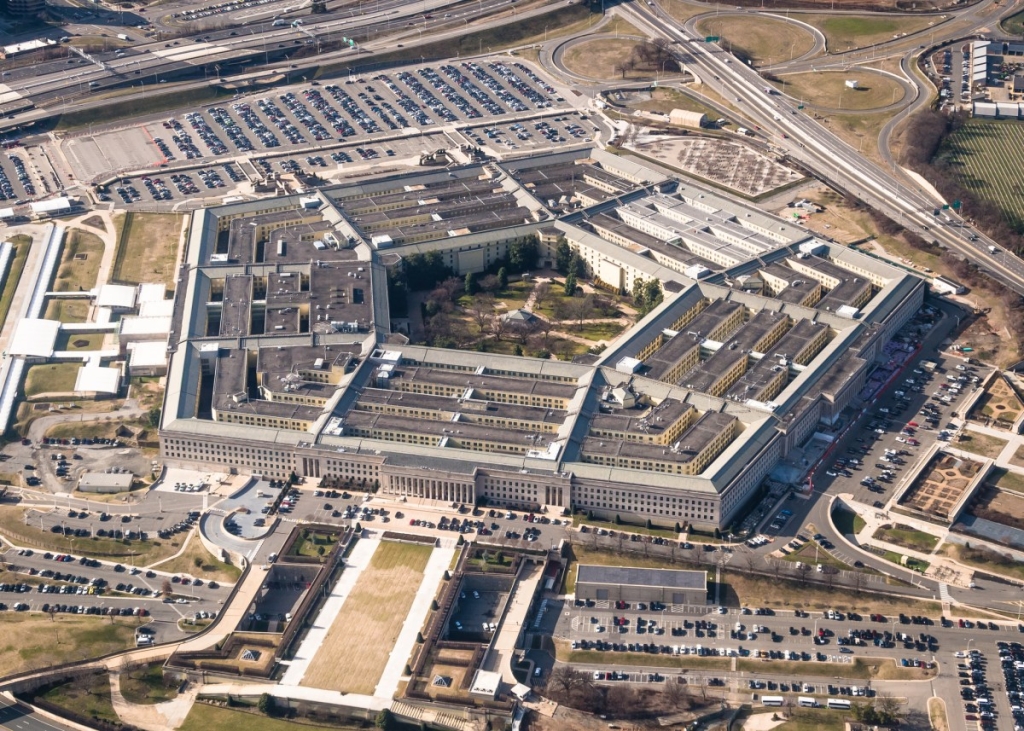
OpenAI and Anthropic’s Pentagon Drama: A Tech Cold War That’s Heating Up
In the span of just over a week, the AI industry witnessed a seismic shift in how tech giants interact with the U.S. government. What began as tense negotiations between the Pentagon and Anthropic over the use of its Claude AI technology quickly devolved into a full-blown public spectacle, with accusations, resignations, and a viral backlash that’s reshaping the conversation around AI ethics and defense contracts.
It all started when talks between Anthropic and the Department of Defense collapsed under the weight of disagreements over how the military would use Claude. The Trump administration wasted no time, officially designating Anthropic a “supply chain risk,” a move that sent shockwaves through the tech community. Anthropic responded by vowing to challenge the designation in court, setting the stage for what could become a landmark legal battle over AI regulation and government oversight.
Meanwhile, OpenAI—Anthropic’s chief rival—moved swiftly to fill the vacuum. The company announced its own deal with the Pentagon, a decision that immediately ignited controversy. Users began uninstalling ChatGPT in droves, with uninstall rates reportedly surging by 295% in the wake of the announcement. At the same time, Anthropic’s Claude app climbed to the top of the App Store charts, fueled by users seeking an alternative they perceived as more ethically aligned.
The drama didn’t stop there. At least one OpenAI executive resigned in protest, citing concerns that the Pentagon deal was rushed without adequate safeguards to prevent misuse. This internal dissent underscored a growing rift within the AI community over the moral implications of partnering with the military.
On the latest episode of TechCrunch’s Equity podcast, hosts Kirsten Korosec, Sean O’Kane, and Anthony Ha dove deep into the fallout. The conversation touched on whether this high-profile clash would deter other startups from pursuing federal contracts, especially with the Pentagon.
Sean O’Kane pointed out that the situation is unusual in several ways. Unlike many defense contractors whose work flies under the radar, OpenAI and Anthropic produce products that millions of people use daily—and that they can’t stop talking about. This visibility means any controversy surrounding their government dealings is amplified a hundredfold.
“A lot of the heat around this discussion between Anthropic and OpenAI and the Pentagon is very specifically about how their technologies are being used or not being used to kill people,” Sean noted. “It’s not just the attention that’s on them and the familiarity we have with their brands; there is an extra element there that I feel is more abstract when you’re thinking about General Motors as a defense contractor or whatever.”
Kirsten Korosec raised a critical point: the Pentagon’s attempt to unilaterally change the terms of an existing contract is alarming. “The fact that they’re seeking to change those terms is a problem,” she said. “This isn’t normal. Contracts take forever to get baked in at the government level.”
Anthony Ha added that the dispute is as much about personalities as it is about policy. Reports suggest a personal animosity between Anthropic CEO Dario Amodei and Emil Michael, the former Uber executive now serving as the Department of Defense’s chief technology officer. “There’s a very big ‘girls are fighting’ element here that we should not overlook,” Sean quipped, though he acknowledged the broader implications are far more serious.
The episode also highlighted the broader ethical debate surrounding AI in warfare. Both OpenAI and Anthropic have publicly stated they want restrictions on how their AI is used, but their approaches differ. Anthropic has taken a harder line, refusing to budge on terms it deems unacceptable, while OpenAI has opted to engage more directly with the government.
As the dust settles, one thing is clear: the AI industry is at a crossroads. The decisions made by these companies in the coming months could set precedents for how tech firms interact with governments worldwide. For startups eyeing federal contracts, the message is mixed—there’s money to be made, but the risks are higher than ever.
Whether this marks the beginning of a new era of tech-government collaboration or a retreat by companies wary of ethical entanglements remains to be seen. But one thing is certain: the AI cold war just got a lot hotter.
Viral Tags:
AIethics #PentagonAI #TechDrama #OpenAIvsAnthropic #SupplyChainRisk #ChatGPTControversy #ClaudeRising #TechColdWar #DefenseContracts #AIRegulation
Viral Sentences:
- “The AI cold war just got a lot hotter.”
- “Users uninstalled ChatGPT 295% more after the Pentagon deal.”
- “Anthropic’s Claude climbs to the top of the App Store charts.”
- “One OpenAI exec quits over rushed Pentagon deal without safeguards.”
- “The Pentagon tried to change contract terms—this isn’t normal.”
- “Tech giants’ government deals spark a moral reckoning.”
- “Will startups think twice before chasing Pentagon dollars?”
- “A legal battle over AI regulation and government oversight looms.”
,


Leave a Reply
Want to join the discussion?Feel free to contribute!