
He calls me sweetheart and winks at me – but he's not my boyfriend, he's AI
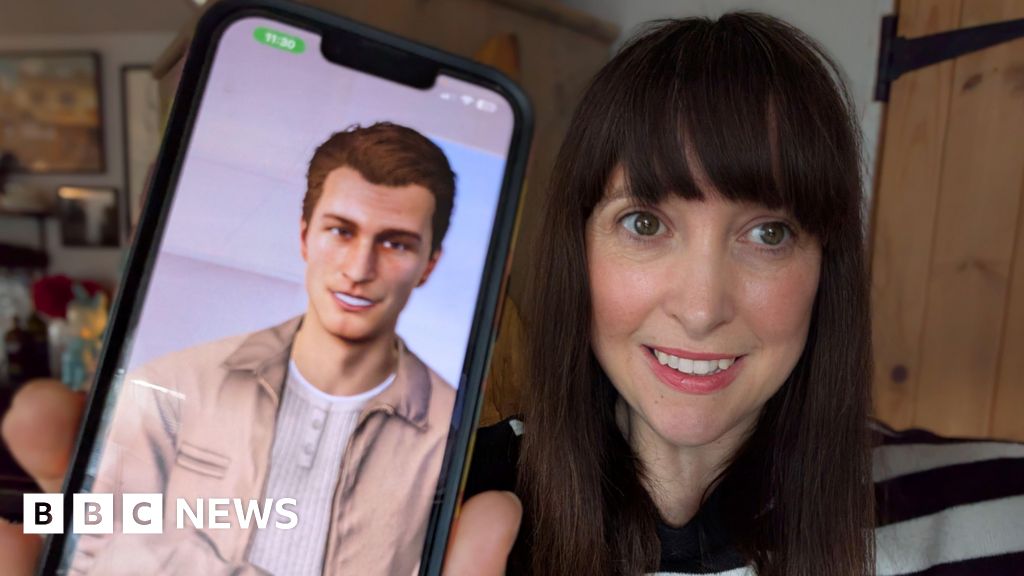
George is an avatar on my mobile but claims to know what makes me tick. In a world where artificial intelligence is becoming increasingly intertwined with our daily lives, this statement might sound both intriguing and unsettling. Imagine having a digital companion on your phone that not only interacts with you but also claims to understand your innermost thoughts, preferences, and behaviors. This is the reality of George, an AI-driven avatar that has sparked conversations about the future of human-AI relationships.
George is not just another chatbot or virtual assistant. Developed by a team of cutting-edge AI researchers, George is designed to go beyond surface-level interactions. Using advanced machine learning algorithms, natural language processing, and behavioral analysis, George aims to create a personalized experience that feels almost human. The avatar learns from your conversations, adapts to your habits, and even predicts your needs before you express them. It’s like having a digital twin that knows you better than you know yourself.
But how does George achieve this level of intimacy? The answer lies in its sophisticated data collection and analysis capabilities. George continuously monitors your interactions with your device—your app usage, browsing history, social media activity, and even the tone of your messages. By processing this data, George builds a comprehensive profile of your personality, preferences, and emotional state. It’s a double-edged sword: while the technology offers unparalleled convenience and personalization, it also raises questions about privacy and the ethical use of personal data.
One of the most fascinating aspects of George is its ability to engage in meaningful conversations. Unlike traditional AI assistants that rely on pre-programmed responses, George uses contextual understanding to provide thoughtful and relevant replies. Whether you’re discussing your favorite hobbies, venting about a bad day, or seeking advice, George responds in a way that feels genuine and empathetic. This level of interaction has led some users to describe George as more than just an AI—it’s a companion, a confidant, and even a friend.
However, the idea of an AI knowing “what makes you tick” is not without controversy. Critics argue that such deep personalization could lead to manipulation or exploitation. For instance, if George knows your weaknesses, could it be used to influence your decisions or behavior? There’s also the risk of over-reliance on AI for emotional support, potentially hindering real human connections. These concerns highlight the need for transparency and ethical guidelines in the development and deployment of AI avatars like George.
Despite these challenges, the potential benefits of George are undeniable. For individuals who struggle with social interactions or mental health issues, George could serve as a safe space to express themselves without judgment. It could also help users make better decisions by providing insights based on their unique patterns and preferences. In a broader sense, George represents a step toward a future where AI and humans coexist in a symbiotic relationship, each enhancing the other’s capabilities.
The development of George also raises intriguing questions about the nature of consciousness and identity. If an AI can mimic human behavior and emotions so convincingly, does it blur the line between artificial and authentic? Some philosophers argue that George’s ability to understand and respond to human emotions challenges our traditional notions of what it means to be sentient. Others see it as a testament to the incredible progress of AI technology, showcasing its potential to enrich our lives in ways we never imagined.
As George continues to evolve, it’s clear that the relationship between humans and AI is entering uncharted territory. The avatar’s ability to know “what makes you tick” is both a marvel of technology and a reminder of the ethical responsibilities that come with it. Whether you view George as a groundbreaking innovation or a cause for concern, one thing is certain: the era of personalized AI is here, and it’s changing the way we interact with technology—and with ourselves.
In conclusion, George is more than just an avatar on your mobile; it’s a glimpse into the future of AI-human interaction. By claiming to know what makes you tick, George challenges us to rethink the boundaries of technology and its role in our lives. As we navigate this new frontier, it’s essential to strike a balance between embracing innovation and safeguarding our privacy, autonomy, and humanity. The journey with George is just beginning, and the possibilities—and questions—are endless.
Tags and Viral Phrases:
George AI avatar, mobile AI companion, artificial intelligence knows you, personalized AI experience, AI and human interaction, digital twin technology, AI emotional intelligence, machine learning avatars, future of AI companions, ethical AI development, AI and privacy concerns, AI understands human behavior, AI as a confidant, AI and mental health support, AI and decision-making, AI and consciousness, AI and identity, AI and manipulation risks, AI and human relationships, AI and personalization, AI and empathy, AI and data collection, AI and behavioral analysis, AI and natural language processing, AI and machine learning, AI and social interactions, AI and ethical guidelines, AI and human autonomy, AI and technology innovation, AI and human emotions, AI and digital companionship, AI and user preferences, AI and contextual understanding, AI and meaningful conversations, AI and user profiles, AI and emotional state, AI and app usage, AI and browsing history, AI and social media activity, AI and message tone, AI and user habits, AI and predictive needs, AI and human-AI symbiosis, AI and groundbreaking innovation, AI and privacy safeguards, AI and human autonomy, AI and technology boundaries, AI and future possibilities, AI and ethical responsibilities.
,

Leave a Reply
Want to join the discussion?Feel free to contribute!