
AI Use in Workplaces Causing ‘Brain Fry,’ Say Researchers
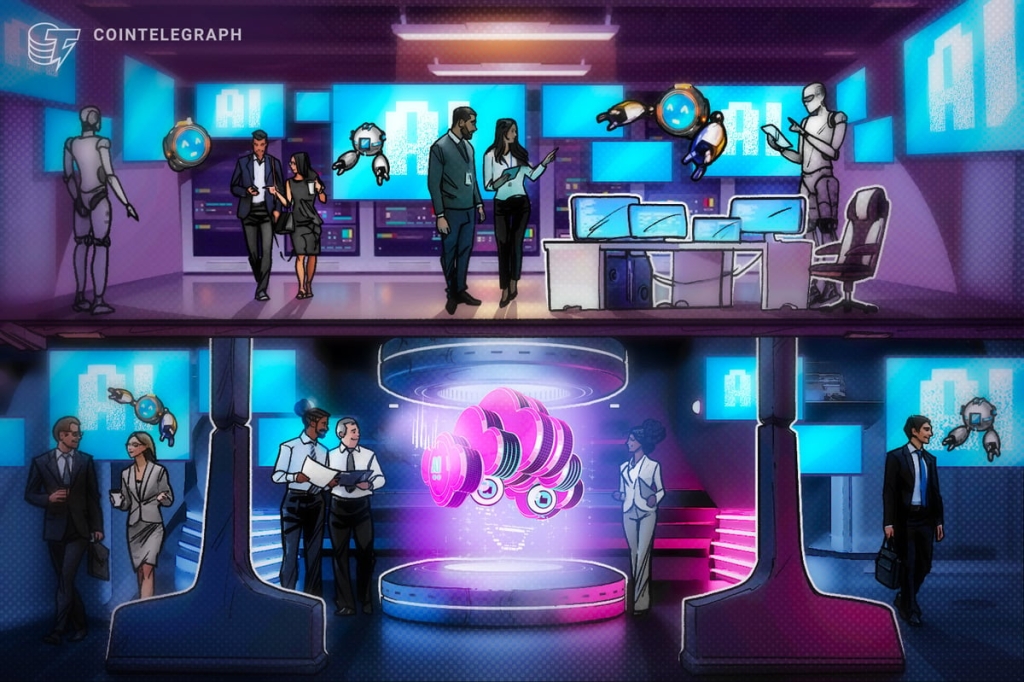
AI Brain Fry: The Hidden Cost of Over-Automation in the Workplace
The promise of artificial intelligence (AI) has always been clear: work smarter, not harder. But for many workers, the reality is far from that utopian vision. A groundbreaking study published in the Harvard Business Review has uncovered a disturbing trend—AI is not easing workloads but instead creating a new form of mental exhaustion dubbed “AI brain fry.”
This phenomenon, experienced by 14% of nearly 1,500 full-time U.S. workers surveyed, is characterized by mental fatigue, brain fog, and an inability to think clearly after excessive use of AI tools. Workers report feeling like they’ve been hit with a “mental hangover,” complete with headaches, slower decision-making, and difficulty focusing. The irony? AI was supposed to make our lives easier, not leave us feeling like we’ve just run a cognitive marathon.
The Intensification of Work, Not Simplification
AI companies have long marketed their tools as productivity boosters, promising to offload mundane tasks and free up time for meaningful work. But the study reveals a different story. Instead of simplifying tasks, AI is intensifying them. Workers are now juggling multiple AI tools, toggling between systems, and multitasking at a level that’s becoming the new normal. As the researchers from Boston Consulting Group and the University of California put it, “Contrary to the promise of having more time to focus on meaningful work, juggling and multitasking can become the definitive features of working with AI.”
This intensification is particularly evident in industries like marketing and HR, where AI adoption is highest. These workers reported the most severe cases of “brain fry,” struggling to keep up with the demands of AI-driven workflows. The study’s findings are a wake-up call for companies that have embraced AI without fully understanding its impact on their employees.
The Hidden Costs of AI Brain Fry
The consequences of AI brain fry extend far beyond mental fatigue. Workers experiencing this phenomenon reported 33% more decision fatigue compared to those who didn’t, which could cost large companies millions of dollars annually. Decision fatigue leads to poor judgment, slower responses, and increased errors—all of which can have serious implications for businesses.
Moreover, workers with AI brain fry were 40% more likely to express an intent to quit their jobs. In an era where employee retention is already a challenge, this is a red flag for employers. The study also found that those experiencing brain fry self-reported making nearly 40% more major errors, defined as mistakes with serious consequences, such as those affecting safety, outcomes, or important decisions.
The Double-Edged Sword of AI
While the study highlights the negative impacts of AI, it also points to a silver lining. When used correctly, AI can actually reduce burnout. Workers who used AI to automate repetitive and routine tasks reported 15% lower levels of burnout compared to those who didn’t. This suggests that the problem isn’t AI itself but how it’s being implemented.
The key, according to the researchers, is to use AI to replace mundane tasks rather than to add complexity to workflows. By doing so, companies can free up their employees to focus on more meaningful and creative work, reducing stress and improving job satisfaction.
What Companies Can Do
To combat AI brain fry, the researchers recommend several strategies for company leaders. First, organizations need to clearly define AI’s purpose and explain how workloads will change with its implementation. Transparency is crucial to ensure employees understand how AI will affect their roles.
Second, companies should focus on measurable outcomes rather than incentivizing the quantity of AI use. As the researchers warn, “Incentivizing quantity of use will lead to waste, low-quality work, and unnecessary mental strain.” Instead, the focus should be on using AI to enhance productivity and well-being, not to create additional pressure.
Finally, companies should invest in training and support to help employees navigate the complexities of AI tools. By providing the right resources, organizations can ensure that AI is a tool for empowerment, not exhaustion.
The Future of Work in an AI-Driven World
As AI continues to evolve, its role in the workplace will only grow. But the findings of this study serve as a reminder that technology is only as beneficial as its implementation. Companies must strike a balance between leveraging AI’s potential and protecting their employees’ mental health.
The concept of “AI brain fry” is a stark reminder that the human element cannot be overlooked in the race to automate. As we move forward, it’s essential to prioritize the well-being of workers and ensure that AI is a tool for enhancement, not exploitation.
Tags: #AI #ArtificialIntelligence #Workplace #MentalHealth #Productivity #Burnout #TechTrends #FutureOfWork #AIbrainfry #HarvardBusinessReview #BostonConsultingGroup #WorkplaceWellness #TechNews #Innovation #Automation #EmployeeRetention #DecisionFatigue #MentalExhaustion #AIethics #TechImpact
Viral Phrases:
- “AI brain fry: The hidden cost of over-automation”
- “Mental hangover from AI tools: A new workplace epidemic”
- “AI was supposed to make work easier—why is it making it harder?”
- “The double-edged sword of AI: Productivity booster or mental drain?”
- “Companies must act now to prevent AI-induced burnout”
- “AI brain fry: The silent killer of workplace productivity”
- “From promise to pressure: How AI is intensifying work”
- “The future of work: Balancing AI and employee well-being”
- “AI brain fry: A wake-up call for tech-driven workplaces”
- “Why AI might be the biggest productivity myth of the 21st century”
,

Leave a Reply
Want to join the discussion?Feel free to contribute!