
What Can You Legally Share About ICE Raids on Social Media? I Found Out
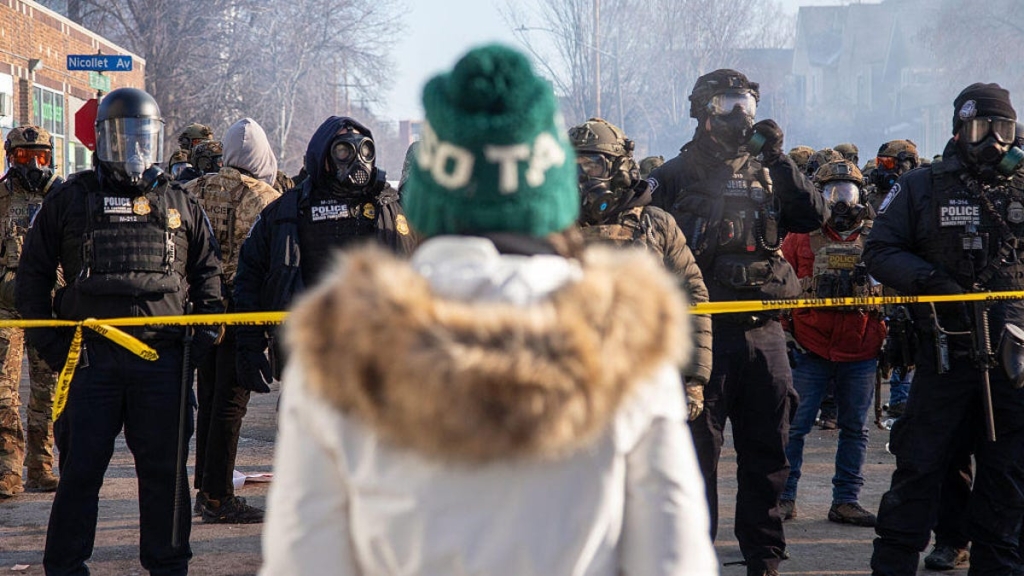
As ICE Activity Escalates, Social Media Users Grapple with Safety and Free Speech
With immigration enforcement activities intensifying across the United States, social media users are increasingly finding themselves at the intersection of public safety information and digital censorship. Posts about ICE sightings and nearby raids have been removed or flagged by major platforms, leaving many to wonder: how can you safely share information about law enforcement activities without risking account restrictions or worse?
The Digital Dilemma: To Post or Not to Post?
The question of social media safety has taken on new urgency as federal agencies expand their surveillance capabilities. Immigration and Customs Enforcement (ICE) activities have sparked widespread concern, particularly in communities where raids and enforcement actions have occurred. Activists and everyday citizens alike have reported that their posts documenting ICE presence or operations have been mysteriously removed from platforms like Facebook, Instagram, and neighborhood-focused apps.
The stakes are particularly high given recent revelations that federal agencies are actively investigating encrypted messaging platforms like Signal. In Minnesota, for instance, the FBI has been examining Signal chats related to immigration advocacy and resistance efforts. This development has sent shockwaves through immigrant communities and their allies, raising serious questions about digital privacy and the extent of government surveillance.
“If you’re worried about the federal government collecting your information, I wouldn’t post anything at all,” warns one cybersecurity expert. “The feds can view social media, and agencies like the FBI are investigating Signal chats, so don’t post if you’re not comfortable.”
Ring Neighbors: A Case Study in Content Moderation
To understand the current landscape, I spoke directly with Ring about its Neighbors app policies regarding ICE-related content. The company’s guidelines reveal a complex balancing act between community safety and content moderation.
Ring tends to remove posts that are too vague or general. For example, saying “ICE was spotted in Bell Gardens” would likely result in a post being denied, as would questions like “Hey, is there any ICE activity in town?” The platform also bans content that explicitly obstructs law enforcement, voices political opinions, assumes immigration status, or doesn’t pertain to local events.
However, posts with specific, verifiable information are generally allowed. If someone posts, “I saw ICE knocking on doors at the IHOP on Florence and Pico,” that level of detail typically passes moderation. The key is providing exact locations, cross streets, addresses, or other specific identifying information about observed events.
Nextdoor’s Approach: Local Focus Over National Politics
Nextdoor, another popular neighborhood communication platform, takes a similar stance. A company spokesperson emphasized that their platform “fosters discussions of local issues” and that their Community Guidelines prohibit “broad commentary or personal opinions on national political topics.”
As long as posts focus on specific local events and follow basic community guidelines—being respectful, not discriminating, and using true identity—they should be fine. This local focus appears to be the key to avoiding content removal while still sharing important safety information.
What You Can Safely Post
Despite concerns about censorship, evidence suggests that users can still effectively communicate about security concerns and law enforcement activities on platforms like Ring Neighbors and Nextdoor. Users frequently post about hearing sirens, police activity in their neighborhoods, and asking about masked strangers or unexplained law enforcement presence.
The crucial factor appears to be the level of specificity and the framing of the post. Posts that focus on observable behaviors, specific locations, and immediate safety concerns are more likely to remain visible. For instance, describing “masked federal ICE agents who aren’t wearing any identifiers” knocking on doors in a specific neighborhood is generally acceptable.
Nextdoor recommends focusing on “the behavior that raised your suspicion” and describing “the potentially criminal or dangerous activity you observed or experienced—what the person was doing, what they said (if they spoke to you). Include the direction they were last headed.”
Privacy Concerns: Are Your Videos Being Shared?
Many users worry about whether Ring is sharing their security camera footage with ICE or other federal agencies. While Ring does have a partnership with Flock Safety, a surveillance technology company, Ring reports that it isn’t currently sharing any videos with immigration authorities.
If Ring were to share videos with law enforcement, users would see a pop-up in the Ring app requesting consent for law enforcement access. Agencies cannot access your videos without your explicit permission. However, privacy advocates note that the rules governing data sharing between private companies and federal agencies remain complex and sometimes unclear.
Coordinating with Neighbors: The Gray Area
Using social media apps to coordinate responses to ICE activity or share real-time information exists in a legal and ethical gray area. In practice, many users have successfully used platforms like Neighbors to discuss nearby law enforcement raids and share safety information.
The key appears to be maintaining a focus on immediate, observable events rather than broader political discussions or legal advice. Posts that mention ICE or federal enforcement are more likely to be scrutinized, but many users report success in using these platforms to share time-sensitive safety information.
Groups using the Neighbors app to communicate important information can apply for a “Neighbors Verified” tag, which is available to public safety agencies and community organizations. This verification makes it easier for users to trust information from specific accounts, though verified accounts don’t have access to additional user information.
Your Rights: What You Need to Know
Understanding your rights during immigration enforcement actions is crucial. Here are key points from civil rights organizations:
Don’t escalate: In many cases where federal agents have knocked on doors, the best response has been no response at all. Without a warrant, agents usually cannot enter a house, and if you have a video doorbell, it can still record everything that happens. Avoid confrontation when possible and don’t give law enforcement anything to act on. Remember, everyone still has the right to remain silent.
If you feel your safety is endangered, call 911 or seek help from a nonprofit: Calling 911 is very helpful if you feel unsafe because of nearby events. You can explain the situation and have a record of the call. 911 is an emergency response service and isn’t in the business of reporting to federal agents. There are also local immigrant rights agencies you can contact to report ICE, and groups like the ACLU can usually point you in the right direction.
The Bigger Picture: Digital Rights in the Age of Surveillance
The tension between public safety communication and content moderation reflects broader concerns about digital rights in an era of expanded government surveillance. As platforms struggle to balance community safety with free expression, users must navigate increasingly complex rules about what they can and cannot say online.
The situation also highlights the importance of understanding digital privacy rights and the limits of government surveillance. While posting about ICE activity carries risks, remaining completely silent also has consequences for community safety and awareness.
Practical Tips for Safe Social Media Use
Based on current platform policies and legal guidance, here are some practical tips for sharing information about law enforcement activities:
- Be specific: Include exact locations, cross streets, and observable details rather than general statements.
- Focus on behavior: Describe what you saw rather than making assumptions about people’s immigration status or legal situation.
- Avoid political commentary: Stick to factual observations rather than opinions about immigration policy.
- Use verified sources: When possible, cite specific agencies or organizations rather than relying on rumors.
- Know your rights: Understand what law enforcement can and cannot do, and document any interactions when safe to do so.
The Future of Digital Activism
As immigration enforcement continues and digital surveillance expands, the ways communities share information and organize resistance will likely continue to evolve. The current situation with social media platforms reflects broader tensions between security, privacy, and free expression in the digital age.
For now, the evidence suggests that careful, specific posting about local law enforcement activities is still possible on most platforms. The key is understanding each platform’s guidelines, focusing on verifiable information, and being aware of the potential risks involved in digital communication during times of increased government scrutiny.
The challenge for users, platforms, and policymakers alike will be finding ways to maintain community safety and free expression while respecting privacy rights and avoiding the spread of misinformation. As this situation continues to develop, staying informed about your rights and platform policies will be essential for anyone concerned about immigration enforcement and digital privacy.
Tags: ICE raids social media safety, Ring Neighbors content moderation, immigration enforcement digital privacy, Nextdoor community guidelines, federal surveillance social media, ICE activity posting guidelines, digital rights immigration, Ring video doorbell privacy, community safety social media, ICE sightings online posting, immigration advocacy digital tools, social media censorship ICE, neighborhood apps law enforcement, digital privacy immigration raids, ICE resistance social media, Ring Neighbors ICE posts, Nextdoor ICE activity, social media ICE content removal, immigration enforcement online safety, digital surveillance immigrant communities
,


Leave a Reply
Want to join the discussion?Feel free to contribute!