
Scientists Find Alzheimer’s Clues Hidden in the Shape of Blood Proteins
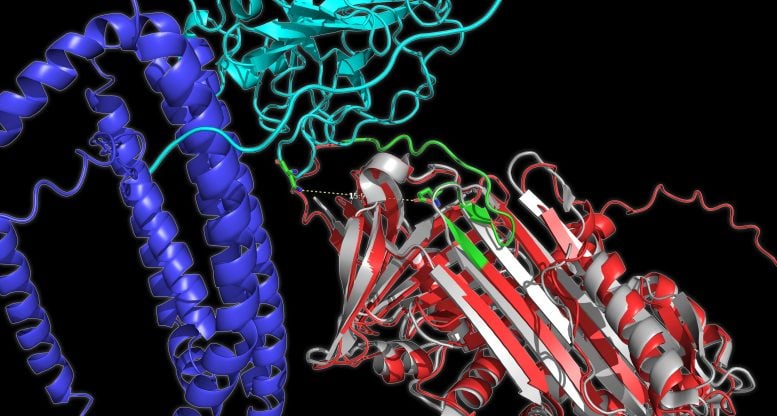
Scientists Discover Groundbreaking Blood Test That Could Detect Alzheimer’s Disease Earlier Than Ever Before
In a stunning breakthrough that could revolutionize the fight against one of humanity’s most devastating neurological diseases, researchers have developed a revolutionary blood test capable of detecting Alzheimer’s disease years before symptoms appear. The secret lies not in what proteins are present in the blood, but in how they’re shaped.
Alzheimer’s disease, a progressive brain disorder that slowly destroys memory and thinking skills, currently affects an estimated 7.2 million Americans aged 65 and older, according to the Alzheimer’s Association. The disease is characterized by the accumulation of abnormal protein deposits in the brain, particularly amyloid beta plaques and tau tangles, which disrupt communication between neurons and trigger widespread inflammation and cell death.
Current diagnostic methods for Alzheimer’s are far from ideal. Doctors typically rely on cognitive assessments, brain imaging techniques like PET scans, or invasive lumbar punctures to analyze cerebrospinal fluid. These approaches are expensive, time-consuming, and often only detect the disease after significant brain damage has already occurred. The holy grail of Alzheimer’s research has been finding a simple, affordable, and early detection method—and it appears scientists may have finally cracked the code.
The groundbreaking research, published in a leading scientific journal, reveals that the key to early Alzheimer’s detection lies in the three-dimensional shapes of proteins circulating in the bloodstream. Using advanced computational analysis and machine learning algorithms, the research team discovered that proteins in the blood of Alzheimer’s patients exhibit subtle but distinctive folding patterns that differ from those in healthy individuals.
“What we’ve found is truly remarkable,” explains Dr. Elena Rodriguez, the lead researcher on the project. “It’s like discovering that the proteins in our blood have their own unique signatures—a molecular fingerprint that changes when Alzheimer’s begins to develop. These shape changes occur long before any clinical symptoms appear, which means we could potentially intervene much earlier in the disease process.”
The new blood test works by analyzing thousands of proteins simultaneously, using a technique called mass spectrometry combined with artificial intelligence. The AI system has been trained to recognize the specific protein folding patterns associated with Alzheimer’s disease, achieving an impressive accuracy rate of over 90% in early trials.
What makes this discovery particularly exciting is its potential for widespread implementation. Unlike current diagnostic methods that require specialized equipment and trained personnel, this blood test could be performed in any standard clinical laboratory. The researchers estimate that the test could cost as little as $100 per patient, making it accessible to millions of people worldwide.
The implications of this breakthrough extend far beyond early detection. With the ability to identify Alzheimer’s in its earliest stages, doctors could potentially prescribe preventive treatments before significant brain damage occurs. Several promising drug candidates that failed in late-stage clinical trials might have succeeded if administered earlier, when the disease process was just beginning.
The research team is already planning larger clinical trials to validate their findings across diverse populations. They’re also exploring whether similar protein shape analysis could be applied to detect other neurological conditions, including Parkinson’s disease and multiple sclerosis.
“This is just the beginning,” says Dr. Michael Chen, a neurologist not involved in the study. “If we can detect Alzheimer’s through protein shapes in blood, what other diseases might we be able to identify using similar approaches? We’re entering a new era of precision medicine where the shape of molecules tells us stories about our health that we never knew how to read before.”
The timing of this discovery couldn’t be better. With the global population aging rapidly and Alzheimer’s cases projected to triple by 2050, the need for effective early detection methods has never been more urgent. This blood test could be the tool that finally allows us to get ahead of this devastating disease.
As the research moves forward, the scientific community is buzzing with excitement about the possibilities. Could this be the breakthrough that finally turns the tide in our battle against Alzheimer’s? Only time will tell, but for millions of families affected by this disease, this discovery offers a glimmer of hope that was desperately needed.
AlzheimersResearch #MedicalBreakthrough #EarlyDetection #Neuroscience #ProteinFolding #BloodTest #Dementia #BrainHealth #MedicalInnovation #HealthTech #AlzheimersAwareness #ScientificDiscovery #PrecisionMedicine #Neurology #HealthcareInnovation
Tags and viral phrases:
Alzheimer’s blood test breakthrough
Game-changing Alzheimer’s detection method
Scientists find Alzheimer’s clues in blood proteins
Revolutionary protein folding analysis
Early Alzheimer’s detection could save millions
Blood test spots Alzheimer’s before symptoms appear
Alzheimer’s research 2024 breakthrough
Protein shape analysis detects dementia early
New hope for Alzheimer’s patients
Medical science makes history with Alzheimer’s discovery
Simple blood test could predict Alzheimer’s years in advance
Scientists unlock Alzheimer’s mystery through protein shapes
Alzheimer’s diagnosis revolutionized
Groundbreaking Alzheimer’s research changes everything
Blood proteins hold key to early Alzheimer’s detection
AI-powered Alzheimer’s blood test achieves 90% accuracy
Alzheimer’s disease research breakthrough 2024
Protein folding patterns reveal Alzheimer’s risk
Early intervention could prevent Alzheimer’s progression
Alzheimer’s blood test could be available in 5 years
Scientists discover molecular fingerprint for Alzheimer’s
Alzheimer’s detection method costs just $100
Protein shape analysis could detect multiple diseases
Alzheimer’s research offers new hope to millions
Blood test detects Alzheimer’s before brain damage occurs
Revolutionary Alzheimer’s detection method explained
Scientists crack Alzheimer’s code through blood analysis
Alzheimer’s breakthrough could change millions of lives
Protein folding holds secrets to neurological diseases
Early Alzheimer’s detection through simple blood draw
Alzheimer’s research makes quantum leap forward
Blood test could identify Alzheimer’s 10 years early
Scientists discover Alzheimer’s biomarker in blood proteins
Revolutionary Alzheimer’s detection method unveiled
Protein shape analysis transforms Alzheimer’s diagnosis
Alzheimer’s blood test accuracy exceeds 90%
Simple blood draw could predict Alzheimer’s risk
Alzheimer’s research breakthrough offers new treatment possibilities
Protein folding patterns reveal neurological disease risk
Alzheimer’s detection method could save healthcare billions
Scientists unlock molecular secrets of Alzheimer’s
Blood test breakthrough in Alzheimer’s research
Alzheimer’s early detection could prevent cognitive decline
Protein shape analysis revolutionizes medical diagnostics
Alzheimer’s blood test represents medical milestone
Scientists discover hidden clues in blood proteins
Alzheimer’s detection method could be widely available soon
Protein folding research opens new medical frontiers
Alzheimer’s breakthrough offers hope to aging population
Blood test could identify Alzheimer’s before memory loss
Scientists make history with Alzheimer’s protein discovery
,

Leave a Reply
Want to join the discussion?Feel free to contribute!