
Why is black rain falling on Iran and how dangerous is it?
Black Rain and Toxic Skies: Iran’s Catastrophic Environmental Crisis After US-Israel Strikes
The skies over northern Iran turned apocalyptic on March 8, 2026, as a devastating US-Israeli bombing campaign against the country’s oil infrastructure triggered an environmental disaster of unprecedented proportions. What began as military strikes against strategic targets quickly evolved into a humanitarian crisis, with black rain falling on Tehran and toxic smoke engulfing major cities.
The Unfolding Catastrophe
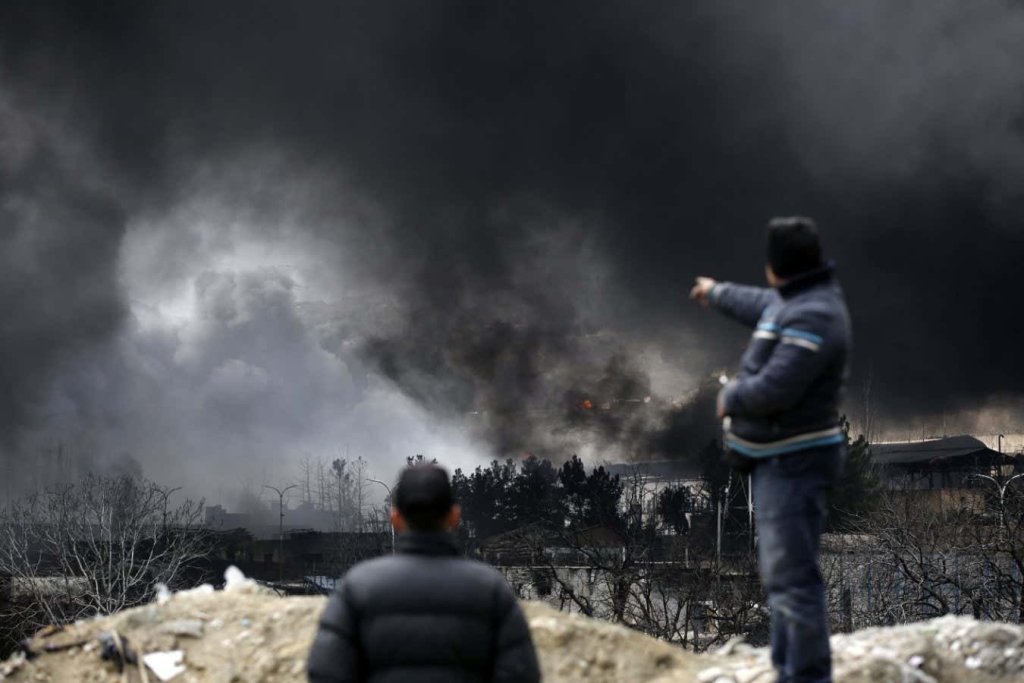
In the early hours of March 8, precision strikes targeted Iran’s critical oil facilities for the first time since the conflict erupted just over a week prior. The attacks hit four major oil storage facilities and an oil transfer center in Tehran and neighboring Alborz province, igniting massive infernos that sent towering flames and thick black smoke billowing into the atmosphere.
As night fell on March 7, residents of Tehran witnessed an eerie spectacle: flames visible from miles away, casting an ominous orange glow across the capital’s skyline. By dawn, the city was shrouded in a thick blanket of black smoke, with soot coating streets, vehicles, and residential balconies. The most shocking development came when thick black raindrops began falling from the darkened sky, a phenomenon that left residents stunned and authorities scrambling to respond.
The timing was particularly cruel—Tehran had only recently emerged from a prolonged drought that had gripped the region for years, with some areas resorting to controversial cloud-seeding operations to induce rainfall. Now, the rain that finally came was contaminated with toxic particles, creating what many residents described as a scene from a dystopian nightmare.
The Science Behind the Black Rain
Environmental scientists and atmospheric experts have been working to understand the complex chemistry behind this unprecedented phenomenon. The black rain likely resulted from precipitation falling through the massive smoke plumes generated by the burning oil facilities. As raindrops passed through the polluted air, they collected soot, ash, and other particulate matter, washing these contaminants from the atmosphere and depositing them on the ground below.
Dr. Anna Hansell, professor of environmental epidemiology at the University of Leicester, explains that the chemical composition of the smoke is crucial to understanding the full scope of the threat. Unlike the controlled combustion of refined fuels in vehicles, the burning oil in these facilities was likely thicker, less refined, and subjected to incomplete combustion. This creates a vastly more complex and dangerous mixture of pollutants.
The smoke plume likely contains a toxic cocktail of substances: partially and fully combusted carbon in the form of soot, polyaromatic hydrocarbons (known carcinogens), sulphur oxides, and nitrogen oxides. These gases can react with atmospheric moisture to form acid rain, which explains the burning sensations reported by residents in their eyes and throats.
But the danger doesn’t stop there. The missile strikes also hit buildings, meaning the smoke carries microscopic particles of concrete, glass, plastics, and other construction materials. Additionally, the explosions may have aerosolized actual droplets of crude oil, which then fell as contaminated rain.
“This is potentially several orders of magnitude larger than the London smog,” Dr. Hansell notes, referencing the infamous 1952 air pollution event that killed thousands. The scale and intensity of this crisis dwarf historical precedents, creating an environmental emergency of global significance.
The Human Health Crisis
The immediate health implications are severe and multifaceted. If the black rain contaminates water supplies and people consume it, gastrointestinal distress is likely. Residents could experience stomach pain, heartburn, diarrhea, and other digestive symptoms depending on the concentration and specific chemical makeup of the contaminants.
More immediately concerning are the respiratory and ocular effects. The acid rain formed by sulphur and nitrogen oxides can cause intense irritation to the eyes, nose, and throat—symptoms that many Tehran residents have already reported experiencing. The burning sensation in their throats and eyes suggests exposure to highly acidic compounds in the atmosphere.
However, medical experts emphasize that the smoke itself poses the gravest threat to public health. The fine particulate matter suspended in the air can penetrate deep into the lungs and even enter the bloodstream, bypassing the body’s natural defense mechanisms. These particles, regardless of their specific chemical composition, can cause inflammation, oxidative stress, and cellular damage throughout the body.
Long-term exposure to high concentrations of particulate matter is associated with increased all-cause mortality and a host of chronic conditions including cardiovascular disease, lung cancer, chronic obstructive pulmonary disease (COPD), and diabetes. The World Health Organization has classified air pollution as a leading environmental cause of premature death globally, and this crisis represents an acute, concentrated exposure event.
The bioaccumulation of toxins in the environment presents another long-term threat. Contaminants can work their way up the food chain, affecting fish populations in rivers and coastal waters, contaminating livestock that graze on polluted pastures, and eventually entering the human food supply through crops grown in contaminated soil.
Beyond Iran’s Borders: A Regional Threat
While the immediate crisis is concentrated in Iran, atmospheric scientists warn that the environmental impact could extend far beyond the country’s borders. Particle size determines how far pollutants can travel: larger particles and oil droplets tend to settle out of the atmosphere relatively quickly, but fine particulate matter can remain suspended for days or weeks and travel hundreds or even thousands of kilometers.
Under certain wind conditions, particles from this disaster could potentially reach neighboring countries in the Middle East, including Iraq, Turkey, Afghanistan, and the Gulf states. The exact trajectory would depend on prevailing wind patterns, atmospheric stability, and precipitation events that could wash particles from the air.
In an extreme scenario, some of the finest particles could theoretically travel much farther—possibly even reaching Europe or North America—though by that distance they would be so diluted as to pose minimal direct health risks. However, the more immediate concern is the regional impact on Iran’s neighbors, who may experience elevated pollution levels depending on atmospheric conditions.
Dr. Hansell emphasizes that environmental disasters of this magnitude don’t respect political boundaries. “What’s going into the water system, what’s going into the air, it’s going to be carried elsewhere,” she explains. The interconnected nature of regional weather patterns and atmospheric circulation means that Iran’s crisis could quickly become a broader Middle Eastern environmental emergency.
Emergency Response and Public Health Measures
Iranian authorities have begun implementing emergency measures to protect public health, though the scale of the crisis presents enormous challenges. Health officials have advised residents to minimize outdoor exposure, particularly vulnerable populations such as children, the elderly, and those with pre-existing respiratory conditions.
For those who must go outside, protective equipment is essential. Face masks—ideally N95 or higher filtration efficiency—can help reduce inhalation of particulate matter, while goggles can protect eyes from acid rain and airborne irritants. However, the widespread availability and proper use of such equipment remains a significant logistical challenge in a country already strained by conflict and economic pressures.
Water safety has become a critical concern. Residents are advised to seek alternative water sources if they detect unusual tastes, odors, or visible contamination in their tap water. Bottled water or properly filtered water sources may be necessary until water treatment facilities can address potential contamination.
Indoor air quality has also become a priority. People are advised to keep windows and doors closed, use air conditioning systems with proper filtration, and consider using air purifiers if available. However, many residents lack access to such equipment, particularly in lower-income areas where the health impacts may be most severe.
The international community has begun mobilizing support, with environmental agencies and public health organizations offering technical assistance and monitoring capabilities. Satellite imagery and atmospheric modeling are being used to track the smoke plume and predict its movement, helping authorities in potentially affected regions prepare for any impacts.
The Broader Implications
This environmental disaster raises profound questions about the conduct of modern warfare and the long-term consequences of targeting critical infrastructure. The deliberate targeting of oil facilities—which are not only economically vital but also pose significant environmental risks when damaged—represents a troubling escalation in conflict tactics.
The incident also highlights the vulnerability of civilian populations to environmental warfare, whether intentional or incidental. The widespread health impacts, potential contamination of water supplies, and long-term ecological damage affect millions of people who have no direct involvement in the conflict itself.
From an environmental justice perspective, the crisis underscores how conflicts disproportionately impact vulnerable populations. Those with pre-existing health conditions, limited access to healthcare, or inadequate resources to protect themselves face the greatest risks from the toxic fallout.
The event also serves as a stark reminder of the global nature of environmental challenges. Air pollution, water contamination, and ecological damage don’t respect borders—what happens in one country can quickly become a regional or even global concern. This interconnectedness demands international cooperation and frameworks for addressing environmental emergencies that arise from conflict situations.
Looking Forward: Recovery and Prevention
The path to recovery from this disaster will be long and complex. Environmental remediation efforts will need to address soil contamination, water quality issues, and ecosystem damage. Public health monitoring will be necessary to track both acute and chronic health effects in the exposed population.
Rebuilding the damaged oil infrastructure presents both challenges and opportunities. Modern, safer designs could potentially reduce the risk of similar disasters in the future, though the immediate priority remains addressing the current crisis and protecting public health.
The international community may need to develop new protocols and agreements regarding the targeting of environmentally sensitive infrastructure during conflicts. The severe civilian health impacts and environmental damage demonstrated by this crisis suggest that current international humanitarian law may need updating to better address these modern threats.
As the black rain continues to fall and the smoke slowly clears, Iran faces not just a military conflict but an environmental emergency that will shape public health outcomes for years to come. The toxic skies over Tehran serve as a grim reminder of the hidden costs of war and the enduring impact of environmental destruction on human communities.
Tags & Viral Phrases:
- Black rain falls on Tehran after US-Israel strikes
- Toxic smoke engulfs Iranian capital
- Environmental disaster strikes Iran’s oil facilities
- Acid rain warnings issued across Tehran
- Civilian health crisis escalates in Iran
- Oil facility fires create apocalyptic skies
- Black raindrops coat streets and cars
- Tehran smog worse than London 1952
- US-Israel bombing campaign triggers environmental emergency
- Toxic air pollution spreads across Middle East
- Iranian residents report burning eyes and throats
- Oil smoke creates unprecedented health threat
- Environmental warfare impacts civilian populations
- Black rain phenomenon explained by scientists
- Tehran drought ends with toxic rainfall
- Oil facility attacks cause ecological disaster
- Particulate matter threatens millions in Iran
- International community responds to Iran crisis
- Water contamination fears grip Tehran residents
- Long-term health effects expected from exposure
- Conflict creates environmental emergency beyond borders
- Black rain science: how pollution creates dark precipitation
- Tehran air quality reaches dangerous levels
- Oil fires release toxic chemical cocktail
- Environmental justice concerns in conflict zones
- Regional pollution threatens neighboring countries
- Civilian protection needed from environmental warfare
- Black rain health risks: what you need to know
- Iran oil facility attacks: environmental aftermath
- Toxic fallout from military strikes analyzed
- Black rain phenomenon goes viral on social media
- Tehran residents share shocking black rain videos
- Environmental disaster becomes global concern
- Oil facility fires create climate impact
- Black rain mystery solved by atmospheric scientists
- Tehran pollution levels break records
- Civilian casualties from environmental warfare
- Black rain phenomenon explained simply
- Iran conflict creates unexpected environmental crisis
- Oil fires release cancer-causing chemicals
- Black rain health advisory issued
- Tehran residents urged to stay indoors
- Environmental emergency response needed immediately
- Black rain videos shock international community
- Oil facility attacks have unintended consequences
- Environmental damage from conflict analyzed
- Black rain phenomenon studied by experts
- Tehran pollution crisis compared to historical events
- Environmental warfare tactics under scrutiny
- Black rain creates public health emergency
- Oil fires impact regional air quality
- Environmental disaster response challenges
- Black rain phenomenon captures global attention
- Iran environmental crisis explained
- Oil facility attacks create toxic legacy
- Black rain health impact assessment
- Environmental emergency declaration needed
- Oil fires release greenhouse gases
- Black rain phenomenon documented by residents
- Environmental warfare ethics debated
- Oil facility attacks violate environmental law
- Black rain creates water contamination fears
- Environmental disaster recovery timeline
- Oil fires impact agriculture and food safety
- Black rain phenomenon studied internationally
- Environmental emergency preparedness needed
- Oil facility attacks create climate refugees
- Black rain phenomenon becomes case study
- Environmental warfare prevention strategies
- Oil fires impact marine ecosystems
- Black rain phenomenon raises awareness
- Environmental disaster response coordination
- Oil facility attacks create economic impact
- Black rain phenomenon documented scientifically
- Environmental emergency communication challenges
- Oil fires impact biodiversity
- Black rain phenomenon studied by meteorologists
- Environmental warfare international law
- Oil facility attacks create humanitarian crisis
- Black rain phenomenon becomes political issue
- Environmental disaster mental health impact
- Oil fires impact renewable energy transition
- Black rain phenomenon raises environmental awareness
- Environmental emergency funding needed
- Oil facility attacks create diplomatic tensions
- Black rain phenomenon studied by chemists
- Environmental warfare military strategy
- Oil fires impact indigenous communities
- Black rain phenomenon becomes educational topic
- Environmental disaster insurance implications
- Oil facility attacks create technological challenges
- Black rain phenomenon studied by physicists
- Environmental emergency response technology
- Oil fires impact urban planning
- Black rain phenomenon becomes artistic inspiration
- Environmental warfare future implications
- Oil facility attacks create research opportunities
- Black rain phenomenon studied by biologists
- Environmental emergency response best practices
- Oil fires impact public transportation
- Black rain phenomenon becomes cultural reference
- Environmental warfare historical context
- Oil facility attacks create policy changes
- Black rain phenomenon studied by geologists
- Environmental emergency response coordination challenges
- Oil fires impact energy security
- Black rain phenomenon becomes scientific curiosity
- Environmental warfare ethical considerations
- Oil facility attacks create technological innovation
- Black rain phenomenon studied by oceanographers
- Environmental emergency response funding challenges
- Oil fires impact global markets
- Black rain phenomenon becomes public health priority
- Environmental warfare legal implications
- Oil facility attacks create environmental regulations
- Black rain phenomenon studied by epidemiologists
- Environmental emergency response timeline
- Oil fires impact climate change mitigation
- Black rain phenomenon becomes environmental movement catalyst
,

Leave a Reply
Want to join the discussion?Feel free to contribute!