
Electric air taxi maker Archer hits back at Joby in countersuit alleging concealed Chinese ties
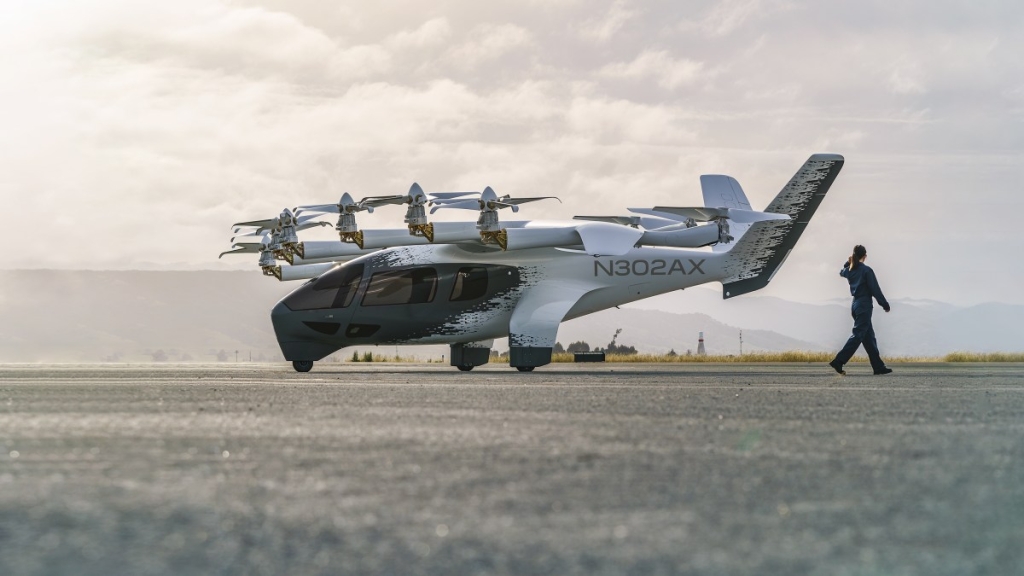
Archer Aviation Fires Back: Accuses Joby of Fraud, Chinese Ties, and Tariff Evasion in Explosive Counterclaim
In a legal and technological showdown that’s shaking the nascent electric air taxi industry, Archer Aviation has launched a blistering counterattack against rival Joby Aviation, alleging a sweeping conspiracy involving trade secret theft, government fraud, and covert reliance on Chinese manufacturing to secure U.S. contracts and funding.
The explosive counterclaim, filed Monday in federal court, marks a dramatic escalation in the feud between two of the most prominent players in the electric vertical takeoff and landing (eVTOL) sector. Archer, based in San Jose, California, is accusing Joby—headquartered in Santa Cruz—of duping U.S. regulators, investors, and the federal government by masquerading as an American-made company while allegedly depending on Chinese suppliers for critical aircraft components.
The Core Allegations: A Web of Deception
At the heart of Archer’s counterclaim is a stark accusation: Joby Aviation has been misrepresenting the origins of its aircraft and its supply chain to gain a competitive and financial edge in the U.S. market.
According to Archer’s court filing, Joby has relied on a Chinese manufacturing subsidiary to source essential aircraft components from suppliers with alleged ties to the Chinese government. The complaint alleges that Joby went to extraordinary lengths to hide these connections, even going so far as to misclassify thousands of pounds of Chinese-origin aircraft materials as innocuous consumer goods—labeling them as “hair clips,” “socks,” and “photo albums”—to dodge U.S. tariffs and avoid scrutiny under foreign-influence oversight rules.
If proven, these allegations could have severe legal and financial consequences, potentially exposing Joby to charges of fraud against the U.S. government, violations of trade laws, and the loss of lucrative defense contracts.
The Stakes: U.S. Government Contracts and National Security
Archer’s complaint doesn’t just focus on commercial competition—it zeroes in on national security and government funding. The filing alleges that Joby has secured hundreds of millions of dollars in U.S. government contracts, including from the U.S. Air Force, by falsely presenting itself as a paragon of “American Innovation.”
The timing of the counterclaim is especially pointed. Archer’s filing references a recent executive order by President Donald Trump directing the Department of Transportation (DOT) and the Federal Aviation Administration (FAA) to launch a pilot program to accelerate the development and commercialization of eVTOL aircraft. Both Archer and Joby have applied to participate in this initiative, formerly known as the Advanced Air Mobility and Electric Vertical Takeoff and Landing Integration Pilot Program.
Archer’s legal team argues that Joby’s alleged deception not only undermines fair competition but also poses a risk to U.S. technological sovereignty and national security, particularly as the government seeks to “unleash American drone dominance” under Trump’s 2025 executive order.
The Battle for the Skies: A High-Stakes Rivalry
The legal battle between Archer and Joby is more than just courtroom drama—it’s a fight for dominance in a market that could redefine urban transportation. Both companies went public in 2021 via special purpose acquisition company (SPAC) mergers and are racing to develop electric air taxis capable of whisking passengers across cities in minutes.
Their ambitions extend beyond commercial aviation. Both Archer and Joby are also pursuing defense applications for their technology, seeking contracts with the U.S. military and other government agencies. In this context, the allegations of foreign influence and supply chain vulnerabilities take on added significance.
Joby’s Response: “Nonsense” and “Invented Theories”
Joby has vehemently denied Archer’s allegations. In an emailed statement, Alex Spiro, an attorney for Joby, dismissed the counterclaim as “nonsense,” accusing Archer of resorting to “invented nonsensical theories” due to its own “constant legal issues and flailing business operations.”
Spiro’s sharp rebuke suggests that Joby views the counterclaim as a desperate distraction rather than a legitimate legal challenge. The company has vowed to fight the allegations in court, setting the stage for a protracted and highly public legal battle.
The Origins of the Feud: Trade Secret Theft Allegations
Archer’s counterclaim comes just four months after Joby sued Archer over allegations of trade secret theft. In that lawsuit, filed in November in the Superior Court of California in Santa Cruz County, Joby alleged that former employee George Kivork took proprietary information with him when he left to join Archer, which then allegedly used that information to advance its own technology.
The back-and-forth lawsuits underscore the intense rivalry between the two companies, each vying for a leadership position in a market projected to be worth billions in the coming decades.
The Pilot Program: A New Front in the Battle
The legal maneuvering coincides with a major development in the eVTOL industry: the DOT and FAA’s recent approval of eight proposals for the pilot program spanning 26 states. Archer won approval to participate in three of the approved projects, while Joby secured five.
This development adds another layer of complexity to the rivalry. Both companies are now positioned to play key roles in shaping the future of electric air mobility in the United States, making the outcome of their legal disputes all the more consequential.
What’s Next: A High-Stakes Legal and Technological Showdown
As the legal battle intensifies, the broader implications for the eVTOL industry are becoming clear. The outcome of this dispute could influence how regulators, investors, and the public view the sector’s supply chains, national security implications, and the integrity of its leading companies.
For Archer, the counterclaim is a bold gambit to undermine Joby’s credibility and secure its own position as a trusted American innovator. For Joby, it’s a fight to defend its reputation, its government contracts, and its place at the forefront of the electric air taxi revolution.
With billions of dollars in potential contracts, national security considerations, and the future of urban air mobility hanging in the balance, the Archer-Joby legal saga is far from over. As both companies prepare for courtroom battles and regulatory scrutiny, the skies—and the courts—are set to get even more crowded.
Tags: Archer Aviation, Joby Aviation, electric air taxi, eVTOL, trade secret theft, Chinese manufacturing, U.S. government contracts, tariffs, national security, FAA, DOT, Advanced Air Mobility, SPAC, legal battle, aviation industry, Trump executive order, supply chain, fraud allegations, defense contracts, urban air mobility, tech rivalry
Viral Phrases:
- “Archer fires back with explosive counterclaim”
- “Joby accused of hiding Chinese ties”
- “Trade secret theft and tariff evasion”
- “Battle for American skies heats up”
- “eVTOL giants clash in court”
- “National security at stake”
- “The future of flying cars on trial”
- “Archer vs. Joby: The legal war escalates”
- “Chinese components, American contracts”
- “Fraud, secrets, and the race for the skies”
,

Leave a Reply
Want to join the discussion?Feel free to contribute!