
A North Atlantic Right Whale Baby Boom Is On—but the Species Remains at Risk
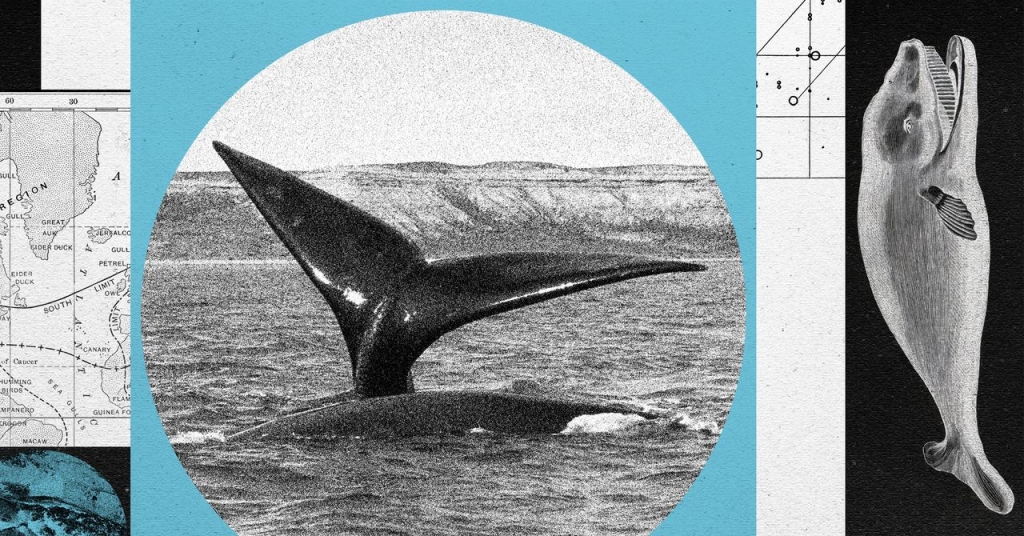
North Atlantic Right Whale “Callosity Back” Returns After 19 Years, Delighting Scientists and Sparking Hope for Endangered Species
In a heartwarming reunion that has captivated marine biologists and conservationists alike, the North Atlantic right whale known as Callosity Back has returned to Florida waters after nearly two decades, this time as a mother with her own calf in tow.
Julie Albert, director of the Right Whale Sighting Network at Blue World Research Institute, first encountered Callosity Back in 2007 when the whale was merely a calf swimming off Florida’s coast. What made this particular whale stand out from the beginning was her unique physical characteristic—unlike other North Atlantic right whales that typically display callosities (thick, white, rough patches of skin) on their heads, Callosity Back had these distinctive markings on her back, earning her the memorable name that would follow her throughout her life.
The emotional moment came on New Year’s Eve 2025 when the Florida Fish and Wildlife Conservation Commission alerted Albert about an unidentified whale and calf spotted off Florida’s central-eastern coast. Albert and her colleagues rushed to a nearby beachside hotel’s pool deck for a better vantage point. As daylight faded, they watched in awe as the mother-calf pair swam gracefully, recognizing immediately that it was indeed Callosity Back.
“I’ve been waiting 19 years to see this mother,” Albert shared, describing how hotel guests occasionally joined the whale observers in witnessing this extraordinary reunion that stretched into the evening hours.
Callosity Back’s calf represents just one of 21 documented North Atlantic right whale births during the current calving season, which runs from mid-November through mid-April. This number has surprised researchers, who counted only 11 calves during the previous season. In the 1980s and 1990s, they rarely documented more than 18 calves in an entire season, making this year’s count particularly remarkable.
The significance of these births becomes even more apparent when considering the dire status of the species. In 2024, only 384 North Atlantic right whales remained in the wild, according to estimates published last October. Once numbering in the thousands, these whales were nearly driven to extinction during the 18th and 19th centuries due to commercial whaling. Despite protection efforts, they remain on the brink of extinction today.
While the baby boom brings welcome optimism, conservationists emphasize that it doesn’t fundamentally alter the precarious situation these whales face. A single series of vessel collisions or fishing gear entanglements could devastate the population, as tragically demonstrated in 2017 when 18 right whales died within just six months. That same year witnessed the heartbreaking loss of whale rescuer Joe Howlett, who died after successfully freeing a North Atlantic right whale from fishing lines in the Gulf of St. Lawrence.
Callosity Back’s story is particularly remarkable because her mother was one of only two North Atlantic right whales ever documented giving birth in the chilly northeastern waters, far from the typical calving grounds off the Carolinas, Georgia, and Florida. This was especially risky since right whale calves are born without blubber, making them vulnerable to cold water that could prove fatal in their first weeks of life.
Phil Hamilton, senior scientist at the New England Aquarium, expressed cautious optimism about the current calving season. “In the 1980s and 1990s we only got over 18 maybe a couple of times, just to give that some context. I’m hopeful that number might go up.”
The return of Callosity Back as a mother represents more than just a statistical victory—it’s a testament to the resilience of these magnificent creatures and the dedicated efforts of those who monitor and protect them. Each new calf represents hope for a species that has survived centuries of human exploitation and continues to face modern threats from shipping traffic, fishing operations, and climate change affecting their food sources.
Conservationists maintain that despite the challenges, North Atlantic right whales are worth fighting for. Their tiny population could still recover if given adequate protection and if human activities in their habitat are carefully managed. The story of Callosity Back serves as a powerful reminder that individual whales have unique histories and personalities, making their survival not just an ecological imperative but a moral one as well.
As researchers continue their vigilant monitoring throughout the calving season, each new sighting brings both scientific data and emotional connection to a species fighting for its future in an increasingly human-dominated ocean.
NorthAtlanticRightWhale #WhaleConservation #MarineBiology #EndangeredSpecies #OceanConservation #WhaleWatching #MarineMammals #WildlifeProtection #OceanLife #ConservationSuccess #RightWhale #MarineResearch #WildlifeRecovery #OceanEcosystem #SpeciesSurvival #MarineProtection #WhaleResearch #EnvironmentalConservation #OceanWildlife #EndangeredWhales
Tags: whale comeback, 19-year reunion, mother whale returns, rare whale sighting, marine conservation success, endangered species recovery, whale calf boom, ocean wildlife protection, unique whale identification, marine mammal research, conservation optimism, whale population recovery, ocean ecosystem health, wildlife monitoring, marine biology breakthrough, species survival story, environmental protection victory, whale rescue efforts, ocean conservation hope, marine life resurgence
Viral Sentences:
- “After 19 years, she came back as a mother—with a baby of her own.”
- “I’ve been waiting 19 years to see this mother.”
- “This whale has a unique marking on her back—that’s how she got her name.”
- “In 2024, only 384 North Atlantic right whales remained in the wild.”
- “These whales were nearly driven to extinction during the 18th and 19th centuries.”
- “A single series of vessel collisions could flip the species’ fortunes again.”
- “Her mother gave birth in chilly northeastern waters—far from typical calving grounds.”
- “Each new calf represents hope for a species fighting for its future.”
- “This is more than statistics—it’s a testament to resilience and dedicated protection.”
- “Their tiny population could still recover if given adequate protection.”
,


Leave a Reply
Want to join the discussion?Feel free to contribute!