
Police find ChatGPT link in rising reports of harmful satanic rituals
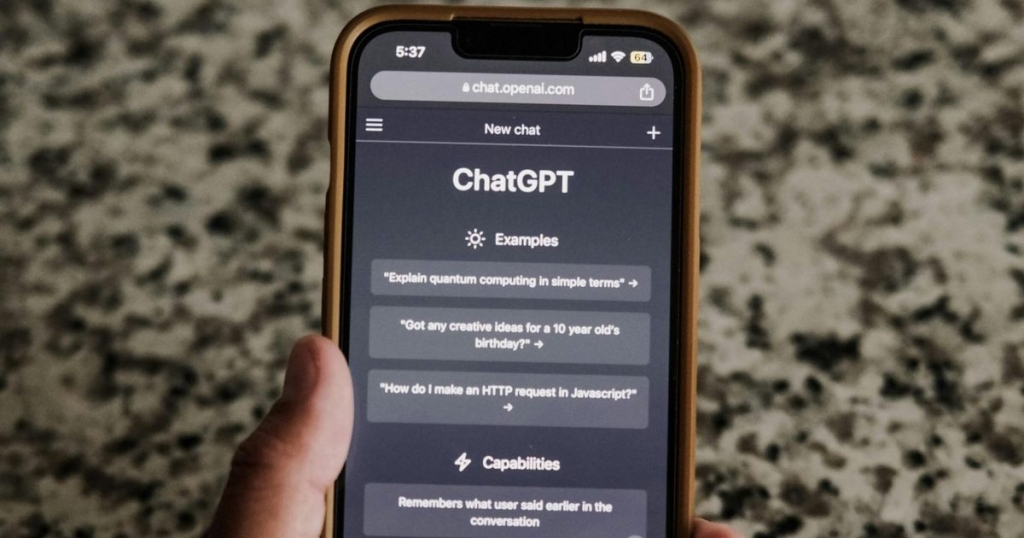
UK Police Pinpoint ChatGPT as Unexpected Driver Behind Surge in Ritual Abuse Reports
In a surprising development, UK law enforcement has identified an unlikely catalyst behind the rise in organized ritual abuse reports: OpenAI’s ChatGPT. Survivors of severe trauma are increasingly turning to the AI chatbot to process their experiences, leading to a surge in disclosures involving satanism, witchcraft, and spiritual abuse.
The National Association of People Abused in Childhood (Napac) reports a significant uptick in calls over the past 18 months, with many survivors explicitly crediting ChatGPT for prompting them to seek help. This phenomenon has prompted the National Police Chiefs’ Council (NPCC) to establish a specialist working group and implement nationwide training for officers to handle these complex cases.
The AI Referral Surge: When Technology Meets Trauma
Napac CEO Gabrielle Shaw revealed that the charity has witnessed a steady increase in ritual abuse reports over the last 18 months, marking a departure from typical patterns. While calls traditionally spike around dates with supernatural significance, this surge appears to be driven by something entirely different.
“Over the last six months to a year, we’re getting people contacting the Napac support line saying ‘I was referred to you by ChatGPT’,” Shaw explained. Survivors are using the AI tool for therapeutic exploration, and any pathway to professional support is viewed positively by the organization. Discussions of satanism frequently emerge in these AI-mediated conversations.
The phenomenon highlights how artificial intelligence is inadvertently becoming a bridge between survivors and the support systems they desperately need. What began as a tool for information and casual conversation has evolved into an unexpected confidant for those processing deeply traumatic experiences.
The Hidden Epidemic: Why Justice Has Been Elusive
The scale of the problem becomes clearer when examining conviction data. Since 1982, only 14 criminal cases have formally acknowledged ritualistic practices in sexual abuse cases. Clinical psychologist Dr. Elly Hanson conducted a comprehensive review last year and determined these convictions represent merely the visible portion of a much larger crisis.
The ritualistic elements themselves have historically hindered prosecution. Because details can sound “fantastical” or unbelievable, the justice system has often dismissed reports entirely. Richard Fewkes, director of the Hydrant Programme, emphasized that authorities must improve their response, acknowledging that this form of abuse rarely reaches police attention.
Victims grow up in what Dr. Hanson calls “regimes of cruelty,” but the truth becomes buried between public skepticism and conspiracy theories. The abuse occurs within white British families, sometimes privileged ones, with survivors naming grandmothers and aunts as perpetrators. This challenges common assumptions about who commits such crimes and where they occur.
Last year, members of a Scotland pedophile ring who posed as witches and wizards were jailed, offering a rare conviction. However, experts stress that such cases remain exceptions rather than the rule.
Breaking the Silence: New Training and Forward Momentum
In response to this growing crisis, the NPCC, Napac, and the Hydrant Programme released a formal briefing this month for professionals on witchcraft, spirit possession, and spiritual abuse. The goal is to prepare officers to handle these cases when survivors step forward, providing them with the knowledge and sensitivity required to navigate such complex situations.
For those using ChatGPT as an initial disclosure tool, Shaw sees reason for optimism. If the technology leads people to professional help, she said, that represents meaningful progress. The sustained rise in reports suggests the chatbot is reaching survivors who might otherwise remain silent indefinitely.
With specialist training underway, the system is finally adapting to crimes it has long overlooked. For victims enduring what Hanson described as “regimes of cruelty,” the convergence of AI access and police reform may offer a clear path out of their trauma.
The unexpected role of ChatGPT in this crisis underscores how technology can sometimes fill gaps in human support systems in ways developers never anticipated. As AI continues to evolve, its potential to connect vulnerable individuals with help—even inadvertently—may represent one of its most valuable contributions to society.
tags
AI #ChatGPT #TraumaSupport #RitualAbuse #MentalHealth #TechnologyForGood #PoliceReform #SurvivorSupport #DigitalTherapy #UKCrime #SocialImpact #ArtificialIntelligence #ChildProtection #JusticeReform
viral
ChatGPT becomes unexpected lifeline for ritual abuse survivors
AI chatbot prompts surge in UK police reports
Survivors credit ChatGPT for finally speaking out
UK police adapt training for ritual abuse cases
Technology bridges gap in trauma support systems
ChatGPT therapy leads to professional help
Hidden epidemic of ritual abuse finally addressed
Survivors break silence with AI assistance
Police reform meets digital age support
ChatGPT: The accidental trauma counselor
AI technology transforms abuse reporting
UK tackles long-overlooked ritual abuse crimes
Survivors find voice through artificial intelligence
ChatGPT referrals spike support line calls
Technology meets trauma in unexpected way
AI becomes bridge to justice for survivors
UK police confront ritual abuse reality
ChatGPT therapy: Unexpected path to healing
Survivors name family members as perpetrators
AI chatbot prompts justice system reform
Technology inadvertently saves lives
ChatGPT: The digital confidant for trauma survivors
UK addresses ritual abuse with new training
Survivors finally heard through AI connection
ChatGPT referrals transform support services
Technology meets trauma support revolution
AI chatbot becomes unexpected hero
UK police finally adapt to ritual abuse reality
Survivors credit AI for breaking silence
ChatGPT therapy leads to justice
Technology bridges trauma support gap
AI becomes lifeline for ritual abuse survivors
ChatGPT prompts surge in police reports
Survivors find help through artificial intelligence
UK confronts hidden epidemic of ritual abuse
ChatGPT: The accidental trauma support tool
AI technology transforms survivor support
Survivors break silence with ChatGPT help
Police reform meets digital age trauma support
ChatGPT therapy: Path to professional help
Technology becomes bridge to healing
AI chatbot connects survivors to support
UK police finally address ritual abuse
Survivors credit ChatGPT for speaking out
ChatGPT referrals transform support lines
Technology meets trauma in groundbreaking way
AI becomes unexpected trauma counselor
ChatGPT prompts justice system transformation
Survivors find voice through artificial intelligence
UK tackles ritual abuse with technology
ChatGPT: The digital path to healing
AI technology saves lives through connection
Survivors finally heard through ChatGPT
ChatGPT therapy leads to police reform
Technology bridges gap in trauma support
AI chatbot becomes lifeline for survivors
UK police adapt to digital age support
Survivors credit AI for breaking silence
ChatGPT referrals transform trauma support
Technology meets trauma support evolution
AI becomes hero for ritual abuse survivors
ChatGPT prompts surge in survivor reports
Survivors find help through digital connection
UK confronts ritual abuse with AI assistance
ChatGPT: The accidental support system
AI technology transforms survivor justice
Survivors break silence with digital help
Police reform meets AI trauma support
ChatGPT therapy: Digital path to healing
Technology bridges trauma support revolution
AI chatbot connects survivors to justice
UK police finally address digital trauma
Survivors credit ChatGPT for speaking out
ChatGPT referrals transform support services
Technology meets trauma in unexpected way
AI becomes bridge to survivor support
ChatGPT prompts justice system reform
Survivors find voice through digital connection
UK tackles ritual abuse with technology
ChatGPT: The digital confidant for healing
AI technology saves lives through support
Survivors finally heard through artificial intelligence
ChatGPT therapy leads to professional help
Technology bridges gap in trauma support systems
AI chatbot becomes lifeline for survivors
UK police adapt to digital trauma support
Survivors credit AI for breaking silence
ChatGPT referrals transform trauma support lines
Technology meets trauma support evolution
AI becomes hero for ritual abuse survivors
,

Leave a Reply
Want to join the discussion?Feel free to contribute!