
AI-powered apps struggle with long-term retention, new report shows
AI-Powered Apps Struggle to Retain Subscribers Despite Strong Early Monetization
A new report from RevenueCat is challenging the assumption that integrating artificial intelligence into mobile apps guarantees long-term profitability. The company’s 2026 State of Subscription Apps Report reveals a surprising trend: while AI-powered apps excel at converting users to paid customers and generating early revenue, they significantly underperform on subscriber retention compared to non-AI apps.
RevenueCat, which provides subscription management tools for over 75,000 app developers handling more than 1 billion in-app transactions and $11 billion in annual revenue, found that AI-powered apps experience 30% faster annual churn rates than their non-AI counterparts. At the median, AI apps retain only 21.1% of subscribers after 12 months, compared to 30.7% for non-AI apps.
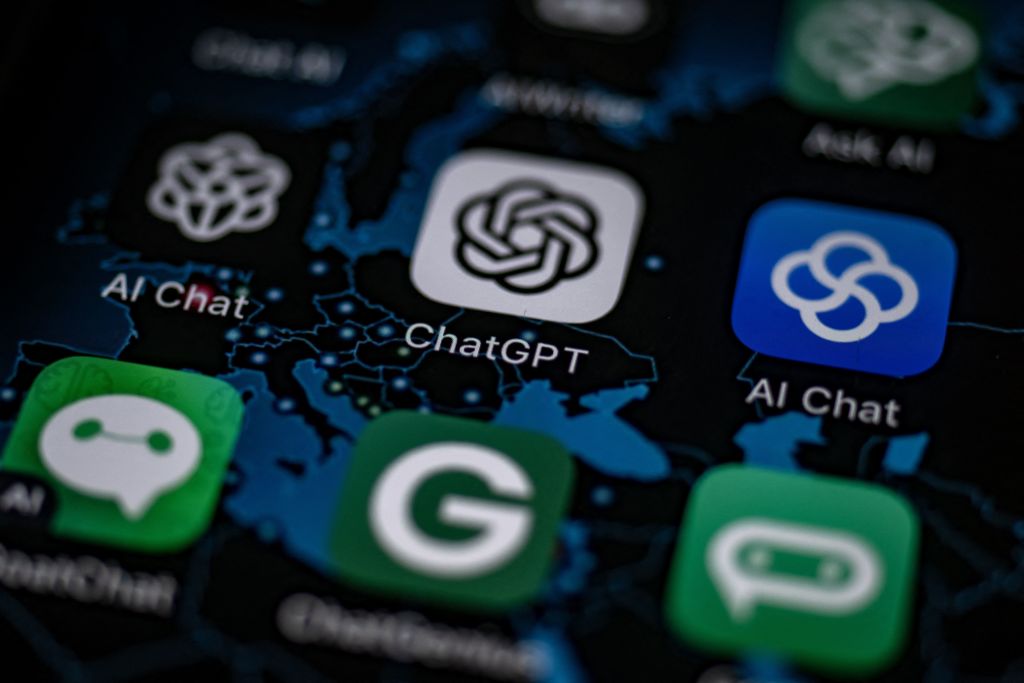
The report analyzed apps across iOS, Android, and web platforms, defining AI-powered apps broadly to include any application that markets itself as AI-enabled—not just popular chatbots like ChatGPT and Gemini. Currently, AI-powered apps represent 27.1% of all apps in the ecosystem, with the highest concentration in Photo & Video apps (61.4%) and the lowest in gaming (6.2%).
While AI apps demonstrate impressive early performance metrics—converting trial users to paid customers 52% better than non-AI apps and monetizing downloads around 20% more effectively—they struggle to maintain customer relationships over time. Monthly retention rates for AI apps sit at 6.1%, compared to 9.5% for non-AI apps, representing a 3.4 percentage point gap.
The only retention metric where AI apps outperform is weekly retention, with 2.5% versus 1.7% for non-AI apps. However, weekly subscriptions are not the most popular option for AI applications, suggesting this advantage may be limited in practical terms.
RevenueCat attributes these retention challenges to several factors. The rapidly evolving nature of AI technology may encourage users to frequently switch between different AI apps in search of the most current technology. Additionally, AI apps experience 20% higher refund rates than non-AI apps, with upper-bound refund rates reaching 15.6% compared to 12.5% for non-AI applications. The report suggests this volatility indicates “greater issues in user value, experience, and long-term quality.”
Despite these retention challenges, AI apps generate significantly higher realized lifetime value (RLTV). Monthly RLTV for AI apps averages $18.92 per user, compared to $13.59 for non-AI apps—a 39% advantage. Annual RLTV follows a similar pattern, with AI apps achieving $30.16 versus $21.37 for non-AI apps.
The data suggests that while AI integration can drive strong initial monetization and higher per-user revenue, developers must address fundamental retention issues to build sustainable subscription businesses. The report’s findings indicate that AI technology alone is not a silver bullet for app success—it requires careful implementation and ongoing value delivery to maintain subscriber relationships.
As the AI app market continues to grow, with roughly one in four apps now incorporating AI features, developers will need to balance the technology’s monetization potential against its retention challenges to create truly profitable applications.
AIapps #SubscriptionBusiness #AppDevelopment #RetentionRates #RevenueCat #MobileApps #ArtificialIntelligence #TechNews #AppMonetization #UserRetention #AItechnology #DigitalProducts #SubscriptionEconomy #TechTrends #AppMarketing
,


Leave a Reply
Want to join the discussion?Feel free to contribute!