
Deezer makes it easier for rival platforms to take a stance against AI-generated music
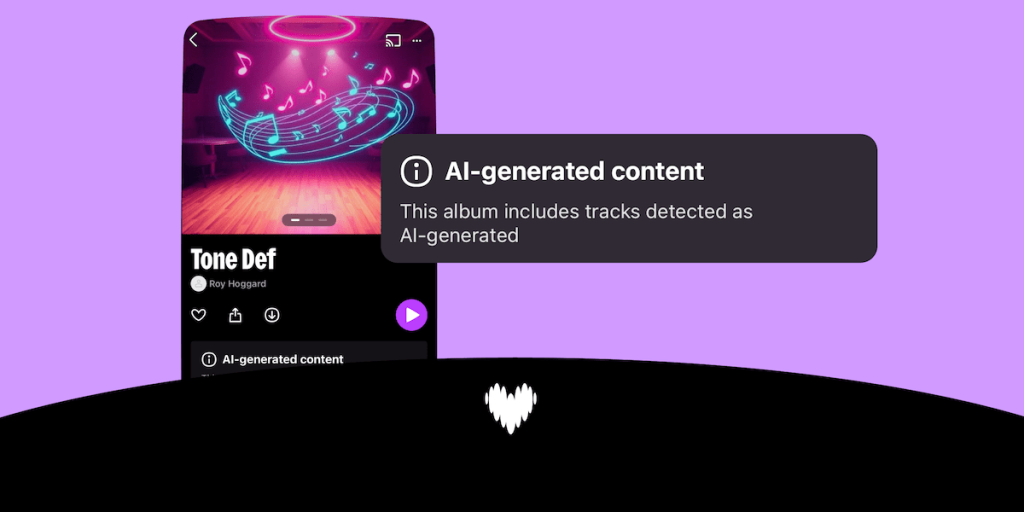
Deezer Unleashes AI Music Detection Tool in Bold Move to Protect Artists and Combat Streaming Fraud
In a groundbreaking development that’s sending shockwaves through the music industry, Deezer has announced it’s making its cutting-edge AI music detection tool available to other streaming platforms. This bold move comes as the battle between human creativity and artificial intelligence-generated content reaches a fever pitch, with concerns mounting over fraudulent streams, copyright infringement, and the very soul of musical artistry.
The AI Music Explosion: A Double-Edged Sword
Just a year ago, Deezer introduced its pioneering AI-detection tool, automatically tagging fully AI-generated music for listeners and removing it from algorithmic and editorial recommendations. But what started as a defensive measure has now evolved into an offensive strategy to reshape the entire streaming landscape.
The numbers are staggering. Deezer now receives a mind-boggling 60,000 AI tracks per day, totaling an eye-watering 13.4 million AI-detected songs in its library. To put this into perspective, back in June of last year, fully AI-generated music made up 18% of daily uploads, surpassing 20,000 tracks. The exponential growth is both impressive and terrifying.
But here’s the kicker: Deezer reports that a whopping 85% of streams from fully AI-generated tracks are deemed fraudulent. This isn’t just about robots making music; it’s about a full-blown assault on the integrity of the music industry and the livelihoods of countless artists.
Deezer’s AI Detection Tool: A Digital Sherlock Holmes
Deezer claims its AI music detection tool can identify every AI-generated track from major generative models like Suno and Udio with a jaw-dropping 99.8% accuracy. This isn’t your average spam filter; it’s a digital Sherlock Holmes, meticulously analyzing every note and rhythm to separate human artistry from algorithmic mimicry.
But Deezer isn’t just stopping at identification. In a move that’s sure to make copyright lawyers salivate, the tool demonetizes AI-generated tracks and excludes them from the royalty pool. It’s a bold statement: if you want to play in the big leagues, you’d better be human.
Industry-Wide Implications and the Battle for Musical Authenticity
The implications of Deezer’s decision to sell its tool are far-reaching. CEO Alexis Lanternier reports “great interest” from other companies, with several already performing successful tests. One notable partner is Sacem, the French management company representing over 300,000 music creators and publishers, including heavyweights like David Guetta and DJ Snake.
This move comes at a crucial time. The music industry is grappling with a perfect storm of challenges: AI companies using copyrighted material to train their models, sophisticated methods to manipulate streaming systems, and the rise of AI bands like The Velvet Sundown, which has amassed millions of streams.
While some platforms, like Bandcamp, have taken a hard line by banning AI-generated music altogether, and Spotify has updated its policies to address the rise of AI tracks, major record labels seem to be taking a different approach. Universal Music Group and Warner Music Group have struck deals with AI startups Suno and Udio, licensing their music catalogs to ensure artists are compensated when their work is used to train AI models.
The Future of Music: Human vs. Machine
Deezer’s latest move is more than just a business decision; it’s a statement about the future of music. By offering its detection tool to other platforms, Deezer is positioning itself as the guardian of musical authenticity in an increasingly AI-dominated world.
The company’s commitment to protecting human artists is evident in its actions. In 2024, Deezer became the first music streaming platform to sign the global statement on AI training, joining forces with actors like Kate McKinnon, Kevin Bacon, Kit Harington, and Rosie O’Donnell, among other notable creatives.
As the music industry stands at this crossroads, Deezer’s decision could be the catalyst for a broader movement. Will other streaming platforms follow suit, or will they embrace the AI revolution? Only time will tell, but one thing is certain: the battle for the soul of music has only just begun.
Tags:
AI #Music #Deezer #Streaming #Fraud #Artists #Copyright #Technology #Innovation #MusicIndustry #ArtificialIntelligence #DigitalRights #MusicStreaming #TechNews #AIvsHuman #MusicCreation #StreamingWars #MusicTech #FutureOfMusic #AITools
Viral Sentences:
“AI-generated music is flooding streaming platforms, but 85% of its streams are fraudulent!”
“Deezer’s AI detection tool boasts a mind-blowing 99.8% accuracy rate!”
“60,000 AI tracks per day: The music industry is drowning in algorithmic content!”
“Deezer takes a stand: No more free rides for AI-generated music!”
“The battle for musical authenticity: Humans vs. Machines in the streaming wars!”
“AI bands like The Velvet Sundown are racking up millions of streams. Is this the future of music?”
“Universal Music and Warner Music strike deals with AI startups. Is this the beginning of the end for human artists?”
“Deezer becomes the first streaming platform to sign the global statement on AI training. Will others follow?”
“The music industry is at a crossroads: Embrace AI or fight for human creativity?”
“Deezer’s move could reshape the entire streaming landscape. The AI music revolution starts now!”
,


Leave a Reply
Want to join the discussion?Feel free to contribute!