
A Tiny Island Is Exposing a Massive Change in Earth’s Climate Engine
A Tiny Island Is Exposing a Massive Change in Earth’s Climate Engine
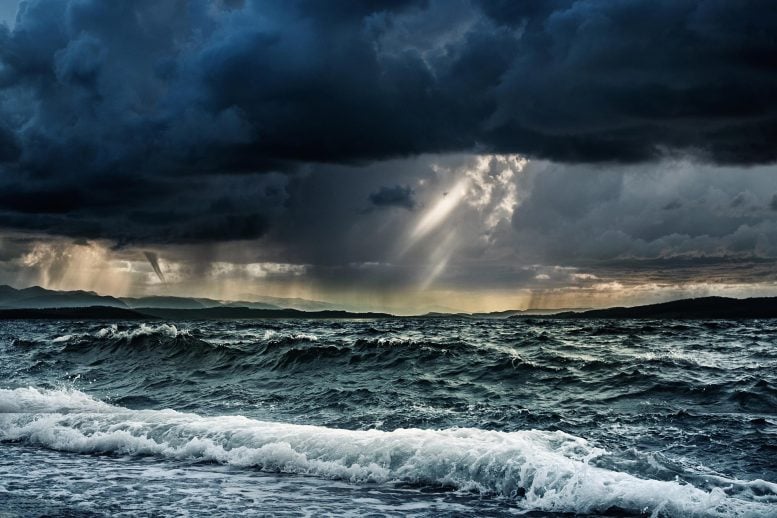
In the heart of the Southern Ocean, where the winds howl with unrelenting force and waves tower like skyscrapers, a small sliver of land is offering scientists a front-row seat to one of the most profound climate transformations in modern history. Macquarie Island, a windswept and remote outpost situated roughly halfway between Tasmania and Antarctica, is revealing a startling shift in the planet’s atmospheric machinery — and the implications could be global.
At first glance, Macquarie Island appears to be little more than a rugged, mist-shrouded speck in one of the world’s most hostile environments. But for climate scientists, it’s a treasure trove of data. The island’s unique position places it directly in the path of the Southern Ocean’s powerful storm systems, making it an ideal natural laboratory for studying changes in Earth’s climate engine.
Recent research has uncovered a dramatic and troubling trend: storms in the Southern Ocean are producing significantly more rainfall than they did just a few decades ago. This isn’t just a minor uptick — it’s a fundamental shift in the behavior of one of the planet’s most critical climate systems. The Southern Ocean, often referred to as the “engine room” of Earth’s climate, plays a pivotal role in regulating global weather patterns, ocean currents, and carbon absorption. Changes here don’t stay here — they ripple outward, influencing climates thousands of miles away.
The study, which analyzed decades of meteorological data from Macquarie Island, found that the intensity and frequency of rainfall during Southern Ocean storms have increased markedly. This is linked to warmer ocean temperatures, which fuel more moisture-laden air masses. As these systems move across the Southern Ocean, they unleash heavier precipitation, altering the delicate balance of the region’s ecosystems and potentially disrupting global climate patterns.
But why should we care about a remote island and its storms? The answer lies in the interconnectedness of Earth’s climate systems. The Southern Ocean is a key driver of the global conveyor belt of ocean currents, which redistributes heat and nutrients around the planet. It’s also one of the largest carbon sinks, absorbing vast amounts of CO2 from the atmosphere. Any significant change in its behavior could have cascading effects, from accelerating sea-level rise to altering weather patterns in distant regions like North America, Europe, and Asia.
The findings from Macquarie Island are particularly alarming because they suggest that the Southern Ocean’s climate engine is already undergoing rapid transformation — and it’s happening faster than many models predicted. This raises urgent questions about the resilience of global climate systems and the potential for tipping points that could lead to irreversible changes.
For the wildlife that calls Macquarie Island home, the changes are already palpable. The island’s elephant seals, penguins, and seabirds rely on stable environmental conditions for breeding and feeding. Increased rainfall and storm intensity could disrupt their habitats, alter food availability, and threaten their survival. The island’s unique ecosystems, which have evolved in isolation over millennia, may struggle to adapt to the rapid pace of change.
The research also highlights the critical importance of long-term monitoring in remote regions. Macquarie Island’s weather station, which has been collecting data for decades, has provided an invaluable record of climate trends. Without such sustained observations, the subtle but significant shifts in the Southern Ocean’s behavior might have gone unnoticed until it was too late.
As scientists continue to analyze the data from Macquarie Island, one thing is clear: the changes unfolding in the Southern Ocean are a stark reminder of the urgency of addressing climate change. The planet’s climate engine is not a distant, abstract concept — it’s a living, dynamic system that is already showing signs of strain. And while Macquarie Island may be small, its message is monumental: the time to act is now.
Tags & Viral Phrases:
Southern Ocean storms, climate change, Macquarie Island, global weather patterns, ocean currents, carbon sink, rising sea levels, extreme weather, ecosystem disruption, climate tipping points, remote monitoring, elephant seals, penguins, seabirds, atmospheric machinery, climate engine, environmental transformation, urgent action, irreversible changes, global conveyor belt, CO2 absorption, weather anomalies, biodiversity at risk, climate resilience, scientific discovery, Earth’s climate systems, environmental urgency, storm intensity, rainfall patterns, climate data, ecological impact, global warming, climate research, environmental science, weather extremes, climate crisis, planetary health, climate monitoring, Southern Hemisphere, climate models, atmospheric changes, ocean warming, climate adaptation, environmental awareness, scientific breakthroughs, climate advocacy, planetary boundaries, climate innovation, environmental protection, climate solutions, global cooperation.
,


Leave a Reply
Want to join the discussion?Feel free to contribute!