
Americans Are Quietly Installing DIY Solar To Fight Skyrocketing Energy Bills
Americans Are Quietly Installing DIY Solar To Fight Skyrocketing Energy Bills
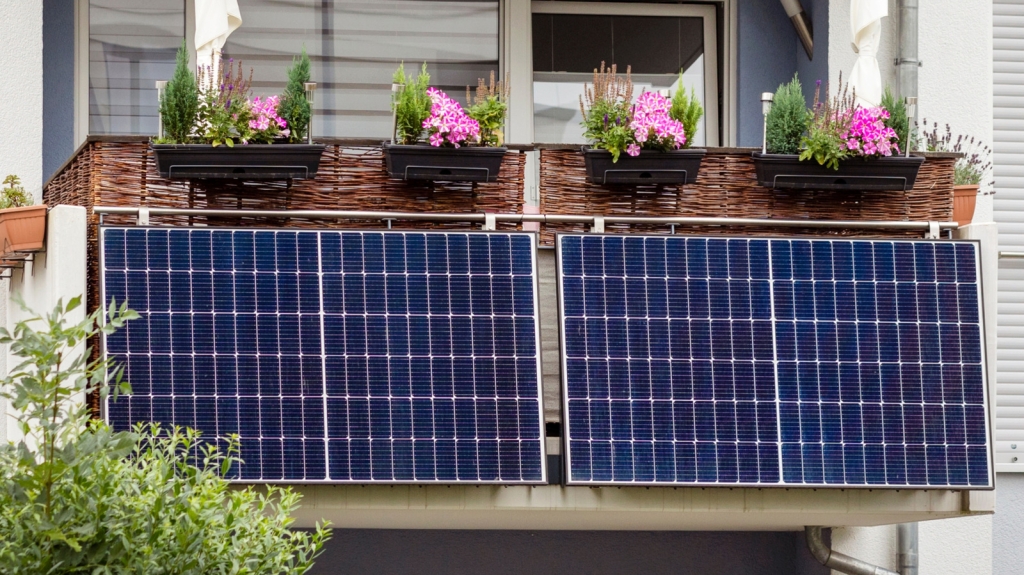
In a quiet but growing revolution, Americans are taking matters into their own hands by installing DIY solar panels to combat soaring energy costs. With utility bills climbing to unprecedented levels, many are turning to affordable, plug-and-play solar setups that can be installed on balconies, patios, or backyards. These systems, often referred to as “balcony solar” or “plug-in solar,” are not only saving homeowners and renters hundreds of dollars annually but also empowering them to reduce their reliance on traditional energy grids.
The Energy Crisis Driving Innovation
The mid-2020s have seen a dramatic spike in utility costs across the United States. Factors such as monopolistic utility providers in certain regions, the energy demands of AI data centers, and even common household inefficiencies have all contributed to the financial strain on consumers. For many, the solution lies in harnessing the power of the sun through small-scale solar installations.
These DIY solar setups typically consist of two to four panels that can be easily mounted in outdoor spaces and connected to a standard wall outlet. Unlike traditional rooftop solar installations, which can cost thousands of dollars and require professional installation, these plug-and-play systems are affordable, user-friendly, and can be set up in a matter of hours. The result? Immediate savings on electricity bills and a reduced carbon footprint.
How Much Can You Save?
Reports from outlets like Canary Media, The Washington Post, and CNN suggest that DIY solar systems can save users anywhere from $100 per year to $35–$50 per month, depending on factors such as location, utility rates, and the size of the system. For example, a 400-watt setup in a sunny state like Arizona could generate enough power to offset a significant portion of a household’s energy consumption, while a smaller system in a less sunny region might still provide meaningful savings.
The environmental benefits are equally compelling. By generating clean, renewable energy, these systems help reduce greenhouse gas emissions and contribute to a more sustainable future. For many, the combination of financial savings and environmental impact makes DIY solar an attractive option.
The Legal Landscape: A Patchwork of Regulations
While DIY solar is gaining traction, the legal framework surrounding these systems remains murky in many parts of the United States. Unlike countries like Germany, where millions of plug-in solar systems are already in use, the U.S. has yet to establish clear regulations for these setups. This lack of clarity has led some homeowners to install systems without notifying their utility providers, potentially avoiding costly connection fees.
However, the tide is beginning to turn. In 2025, Utah became the first state to pass comprehensive legislation supporting DIY solar with the enactment of House Bill 340, also known as the Solar Power Amendments bill. This law not only approves the use of small solar setups in residential settings but also exempts users from utility provider fees and approval requirements.
Other states, such as New York and California, are also exploring legislation to legalize and regulate balcony solar systems. As more states follow suit, the adoption of DIY solar is expected to accelerate, bringing affordable clean energy to millions of households.
The DIY Solar Ecosystem: Affordable and Accessible
The growing popularity of DIY solar has spurred the development of a robust ecosystem of products and services. Companies like Anker Solix and Craftstrom offer plug-and-play solar kits that range in price from a few hundred to over $1,000, depending on the size and capacity of the system. These kits typically generate between 200 and 800 watts of power, enough to run lights, device chargers, fans, and even small appliances like refrigerators.
In addition to hardware providers, a number of nonprofits are working to make solar energy more accessible. Organizations like Bright Saver and Solar United Neighbors provide resources, advocacy, and financial assistance to help individuals and families adopt solar technology. These groups are playing a crucial role in democratizing access to clean energy and reducing the financial barriers to entry.
The Future of DIY Solar in America
As energy costs continue to rise and climate change becomes an increasingly urgent concern, the appeal of DIY solar is only expected to grow. Advances in technology are making these systems more efficient and affordable, while evolving legislation is creating a more favorable regulatory environment.
For now, the DIY solar movement remains a grassroots effort, driven by individuals and communities seeking to take control of their energy futures. But as more states adopt supportive policies and more companies enter the market, it’s likely that plug-and-play solar will become a mainstream solution for reducing energy bills and combating climate change.
In the words of one DIY solar enthusiast, “It’s not just about saving money—it’s about taking power back into our own hands, literally and figuratively.” As the movement gains momentum, it’s clear that the future of energy in America is looking brighter, one solar panel at a time.
Tags: DIY solar panels, balcony solar, plug-in solar, energy savings, renewable energy, clean energy, solar power, utility bills, Utah solar laws, Anker Solix, Craftstrom, Bright Saver, Solar United Neighbors, energy crisis, climate change, sustainable living, affordable solar, solar kits, rooftop solar, green energy, off-grid living, solar revolution, energy independence, solar adoption, environmental impact, solar technology, rising energy costs, solar legislation, solar advocacy, renewable energy solutions, solar empowerment.
Viral Sentences:
- “Americans are quietly installing DIY solar to fight skyrocketing energy bills—and it’s working!”
- “Why pay more for electricity when you can harness the power of the sun for less?”
- “DIY solar is the future of energy—affordable, accessible, and empowering.”
- “From balconies to backyards, Americans are taking energy into their own hands.”
- “Solar panels are no longer just for rooftops—they’re for everyone.”
- “The energy crisis has sparked a solar revolution—and you can be part of it.”
- “Say goodbye to high utility bills and hello to clean, affordable energy.”
- “DIY solar: the smart, sustainable solution to rising energy costs.”
- “Utah leads the way with groundbreaking solar legislation—will your state be next?”
- “Solar power is no longer a luxury—it’s a necessity for millions of Americans.”
,

Leave a Reply
Want to join the discussion?Feel free to contribute!