
One Key Protein Could Be a Powerful New Target Against Malaria : ScienceAlert
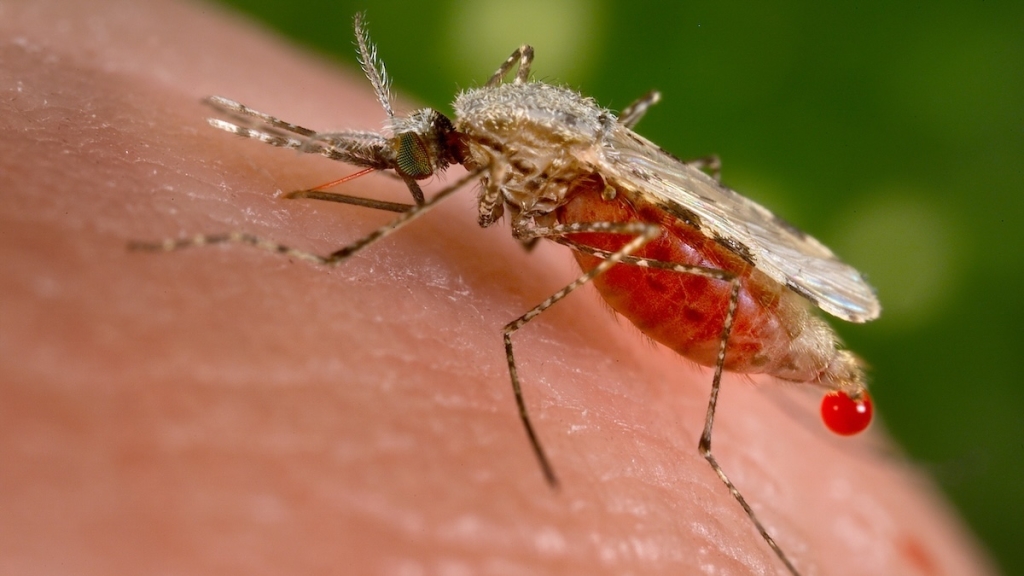
Malaria’s Achilles’ Heel: Scientists Uncover Critical Protein That Could Revolutionize Treatment
In a breakthrough that could reshape the fight against one of humanity’s oldest killers, researchers have identified a protein that acts as a critical vulnerability in malaria parasites—potentially opening the door to more effective treatments with fewer side effects.
The discovery centers on a protein called Aurora-related kinase 1 (ARK1), which researchers describe as the parasite’s version of an Achilles’ heel. Without this protein, malaria parasites cannot properly divide and replicate, essentially rendering them unable to spread the disease.
“This is game-changing,” says Dr. Rita Tewari, the study’s senior author and a parasite cell biologist at the University of Nottingham. “What makes this discovery so exciting is that the malaria parasite’s ‘Aurora’ complex is very different from the version found in human cells.”
Malaria continues to be one of the world’s most devastating infectious diseases, claiming approximately 610,000 lives globally in 2024, with the vast majority of deaths occurring in Africa where young children remain particularly vulnerable. The disease is caused by single-celled eukaryotic organisms belonging to the genus Plasmodium, with five species known to infect humans.
What makes these parasites particularly challenging to combat is their unique cellular machinery. Unlike human cells, Plasmodium parasites divide and grow through an unconventional process that researchers describe as “fundamentally different” from typical mitosis. This unusual biology has long made developing effective treatments difficult, as drugs often harm both the parasite and human cells.
The research team used advanced genetic engineering techniques called conditional gene knockout and gene knockdown to inactivate ARK1 in Plasmodium parasites. The results were striking: without ARK1, the parasites failed to form effective spindles—the molecular equipment critical for properly separating genetic material during cell division. This failure prevented the parasites from completing their development in both human hosts and mosquitoes, effectively blocking disease transmission.
“The name ‘Aurora’ refers to the Roman goddess of dawn, and we believe this protein truly heralds a new beginning in our understanding of malaria cell biology,” explains Ryuji Yanase, co-first author of the study and a cell biologist at the University of Nottingham.
The significance of this discovery extends beyond basic science. Because ARK1 differs substantially from similar proteins in human cells, it represents an ideal drug target. Scientists could potentially develop medications that specifically disable the parasite’s ARK1 while leaving human cellular machinery untouched—a holy grail in drug development that would minimize side effects.
“This divergence is a huge advantage,” Dr. Tewari emphasizes. “It means we can potentially design drugs that target the parasite’s ARK1 specifically, turning the lights out on malaria without harming the patient.”
The research builds on centuries of scientific inquiry into malaria, a disease whose origins trace back to the age of dinosaurs. Despite modern advances including vaccine development, malaria continues to expand its territory, with mosquitoes that carry the disease moving into new regions at an alarming rate of nearly three miles per year.
By detailing the unorthodox replication techniques these parasites employ, including the pivotal role of ARK1, the researchers hope to provide a foundation for future studies that could lead to new ways to combat this ancient nemesis. The findings, published in Nature Communications, represent a significant step forward in the global effort to eliminate malaria.
As the scientific community continues to search for vulnerabilities in both the parasites and their mosquito vectors, this discovery offers renewed hope that one of humanity’s oldest and deadliest foes may finally be within our grasp to defeat.
Tags: malaria breakthrough, parasite weakness, ARK1 protein, Aurora kinase, malaria treatment, disease elimination, genetic engineering, cell division, drug target, tropical disease, public health, scientific discovery, medical research, vaccine development, parasite biology
Viral phrases: “game-changing weakness,” “Achilles’ heel,” “turning the lights out on malaria,” “heralds a new beginning,” “ancient scourge,” “holy grail in drug development,” “within our grasp to defeat,” “dawn of a new era in malaria research,” “potential to save hundreds of thousands of lives,” “scientific breakthrough that could reshape medicine.”
,

Leave a Reply
Want to join the discussion?Feel free to contribute!