
Orcas may be to blame for some mass dolphin strandings
Tech Meets Nature: How Drones and Citizen Science Are Unraveling a Marine Mystery
In a groundbreaking blend of technology and ecology, scientists have uncovered the tragic fate of hundreds of dolphins in Argentina’s San Antonio Bay—thanks to a surprising source: citizen scientists armed with smartphones and drones. What began as viral videos of marine chaos has now revealed a deadly game of predator and prey, exposing how modern tech is reshaping our understanding of the natural world.
The Scene: A Deadly Chase Captured on Camera
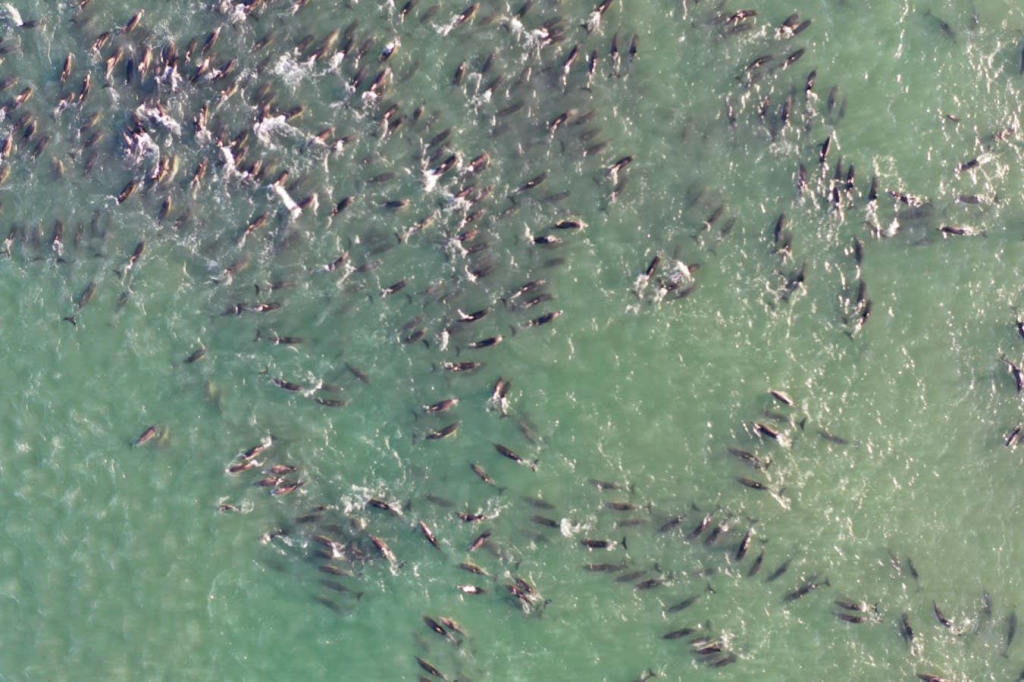
In 2021, tourists and locals in northern Patagonia witnessed a scene straight out of a nature documentary—but with a devastating twist. Hundreds of common dolphins (Delphinus delphis) were seen racing toward San Antonio Bay at breakneck speed, pursued by a pod of eight orcas (Orcinus orca). Drone footage and mobile phone videos, later uploaded to citizen science platforms like eWHALE and social media, showed the dolphins seeking refuge in the shallow, maze-like waters of the port. But instead of safety, they found themselves trapped among sandbanks and tidal channels, unable to escape.
The next day, dozens of dolphins were found dead. A similar event unfolded in 2023, with over 570 dolphins fleeing orcas into the bay. This time, quick action by local authorities and volunteers saved many, but the pattern was clear: these were no ordinary strandings.
The Science: Stress, Strategy, and Survival
Necropsies of the 2021 victims revealed healthy dolphins with no signs of disease or injury—ruling out many common causes of mass strandings, such as toxic algae or illness. Their empty stomachs suggested they weren’t chasing prey, but fleeing for their lives. The timing and location of the events, combined with reports of orcas hunting dolphins in the area, pointed to a chilling conclusion: the dolphins were caught in a deadly lose-lose scenario, trapped between the relentless pursuit of orcas and the treacherous shallows of the bay.
Orcas, known for their intelligence and strategic hunting, may have deliberately driven the dolphins toward the bay, using its complex geography to corner them—a tactic they’ve also used against sea lions. For the dolphins, the shallow waters offered a brief respite from echolocation, but ultimately became a death trap.
The Tech: How Citizen Science Cracked the Case
This discovery wouldn’t have been possible without the power of citizen science. Videos uploaded by tourists, guides, fishers, and locals provided crucial evidence, allowing researchers to piece together the timeline and dynamics of the events. Platforms like eWHALE and social media turned everyday people into amateur marine biologists, bridging the gap between the public and scientific research.
“This study highlights the important contribution that citizen science can make to research,” says Magdalena Arias, lead researcher at Argentina’s National Scientific and Technical Research Council. “It’s a powerful reminder that anyone with a smartphone can play a role in advancing our understanding of the natural world.”
The Bigger Picture: A Global Phenomenon?
While this is the first documented case of its kind, experts believe such events may be more common than we realize. The combination of social media, drone technology, and citizen science platforms is making it easier than ever to capture and analyze these rare occurrences. As climate change and human activity continue to impact marine ecosystems, understanding these dynamics is critical for conservation efforts.
Viral Tags & Phrases:
Dolphins #Orcas #MarineLife #CitizenScience #DroneFootage #NatureTech #OceanConservation #WildlifeRescue #EcoTech #TechForGood #ViralScience #MarineMystery #TechMeetsNature #OceanPredators #DolphinStranding #OrcaChase #SanAntonioBay #Patagonia #WildlifeTech #TechInnovation
This story is a testament to the power of technology—not just in advancing science, but in connecting people to the natural world in ways we never imagined. As we continue to explore the oceans, who knows what other mysteries await discovery? One thing’s for sure: the next breakthrough could be just a click away.
,


Leave a Reply
Want to join the discussion?Feel free to contribute!