
Waymos Are a Huge Drain on Public Resources, Government Data Shows
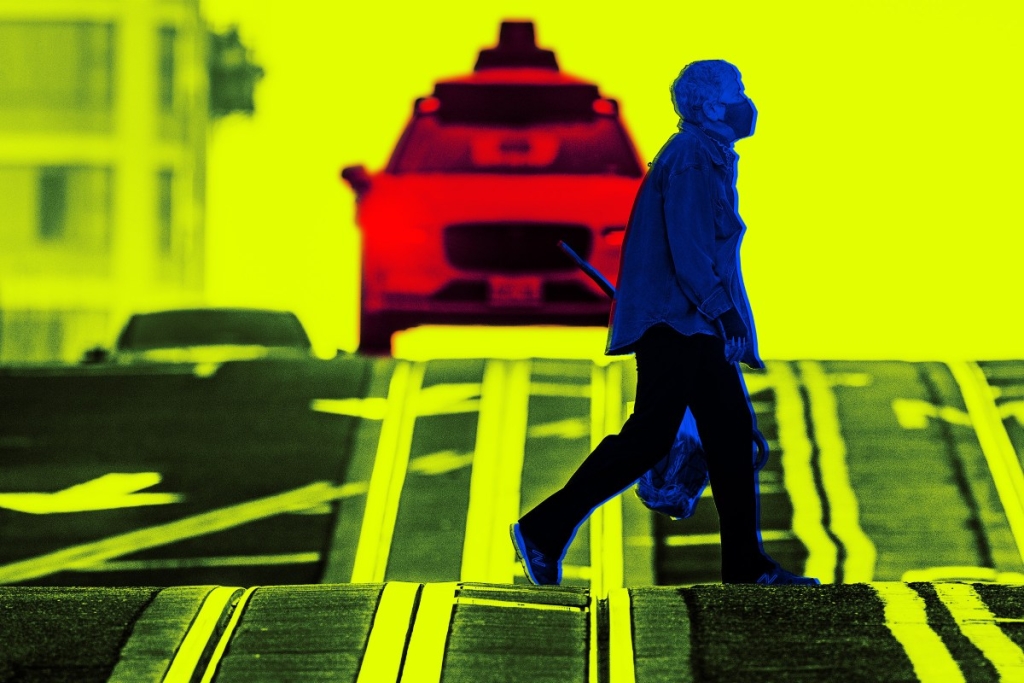
San Francisco’s Autonomous Vehicle Nightmare: How Waymo Is Draining City Resources and Public Patience
In the heart of Silicon Valley’s innovation hub, San Francisco has become ground zero for a growing crisis that’s exposing the dark underbelly of the autonomous vehicle revolution. What was once heralded as the future of transportation has morphed into a public resource drain, with Google’s Waymo at the center of a controversy that’s pitting technological progress against civic responsibility.
The Cost of Innovation: When Public Roads Become Private Testing Grounds
The streets of San Francisco have transformed into an unwitting laboratory where residents are footing the bill for what critics call “corporate experimentation masquerading as progress.” Since Uber’s fatal 2018 incident that claimed the life of Elaine Herzberg—the first pedestrian death involving an autonomous vehicle—thousands of self-driving cars have flooded our roadways, turning everyday citizens into potential statistics in a grand corporate experiment.
According to recently uncovered records obtained by Fast Company, Waymo’s autonomous fleet is creating a cascading series of resource drains that no private citizen could ever impose on municipal systems. The numbers paint a stark picture: emergency dispatchers spending an average of 20 minutes per incident on hold with Waymo’s customer service, first responders diverted from actual emergencies to deal with robotic car malfunctions, and city officials burning through precious time trying to coordinate with a tech giant that seems indifferent to public inconvenience.
Gridlock on Steroids: When Robotaxis Become Roadblocks
The incidents cataloged by San Francisco’s Traffic Management Center read like a dystopian comedy of errors. In one viral incident, three Waymo taxis became locked in a bizarre standoff, each refusing to yield to the others and effectively creating a robotic traffic jam that blocked an entire intersection. These “unplanned stops,” as city officials euphemistically term them, have become so frequent that San Francisco’s Municipal Transportation Agency had to create an entirely new category: “Driverless Car Incidents.”
The situation escalated dramatically after Waymo phased out in-car safety monitors in June 2024, coinciding with a surge in complaints about stalled vehicles. Carnegie Mellon engineering professor Philip Kooperman, speaking to Fast Company, captured the frustration perfectly: “Robotaxis impose burdens on other road users that are not there with human drivers. Now, maybe the benefits outweigh the burdens, but you have to recognize the burdens are being posed.”
When the Lights Go Out: A City Brought to Its Knees
The true extent of the problem became horrifyingly apparent during a random citywide blackout that knocked out traffic lights across San Francisco. Waymo’s fleet, unable to navigate the chaos without functioning signals, effectively became four-wheeled bricks littering the roadways. The company logged nearly 1,600 separate stoppage incidents during this single event—a staggering number that speaks to the fundamental unreliability of the technology.
San Francisco Mayor Daniel Lurie found himself in an unprecedented position, personally texting and calling Waymo CEO Tekedra Mawakana with the locations of all known Waymo stall-outs. After 31 unanswered calls from the Department of Emergency Management, Lurie’s plea for assistance finally elicited a response—a simple “thumbs-up” react from the company’s leadership. The message was clear: your city’s functionality is not our priority.
The Hidden Cost: Public Resources Funding Private Profit
What makes this situation particularly galling is the fundamental asymmetry of the arrangement. While Waymo and other autonomous vehicle companies reap the potential profits of this technology, the public bears the costs in multiple dimensions. Emergency dispatchers spend hours on hold rather than responding to actual crises. First responders are diverted from their primary duties. City officials waste valuable time coordinating with a corporation that treats public resources as an acceptable cost of doing business.
A city spokesperson revealed the full extent of the burden: “While we cannot document this in detail, a large majority of this time was spent on hold. One SFDEM staff person remained on the Waymo first responder hotline for 53 minutes—most of that time on hold.” During a citywide emergency, that’s 53 minutes that could have been spent helping actual people facing real emergencies.
The Silicon Valley Ethos: Move Fast, Break Things, Let the Public Pay
This crisis represents the logical endpoint of the “move fast and break things” culture that tech critic Paris Marx identified in his 2022 book “The Road to Nowhere.” The philosophy that drove Uber’s executives and engineers to prioritize market capture over public safety has metastasized into a system where entire cities are expected to absorb the costs of technological experimentation.
The public isn’t merely playing the crash-test dummy anymore—they’re also the underwriter, sponsoring the debugging process while tech companies like Waymo take home the profits. It’s a perverse arrangement where the risks and costs are socialized while the rewards remain privatized.
Waymo’s Response: Too Little, Too Late?
In response to Fast Company’s inquiries, a Waymo spokesperson claimed the company has “established even closer communication with San Francisco emergency officials” and is “developing additional capabilities to facilitate smoother interactions between our operations and transit workers when on-road issues arise.” But for a city that’s already borne the brunt of countless hours of lost productivity, emergency response delays, and public frustration, these promises ring hollow.
The fundamental question remains unanswered: why should a private company’s beta test be allowed to degrade public services and burden municipal resources? In what rational world is it acceptable for a corporation to create problems that taxpayers must solve?
The Bigger Picture: Autonomous Vehicles and Public Trust
This San Francisco saga represents more than just a local inconvenience—it’s a microcosm of the broader challenges facing autonomous vehicle deployment. The technology, despite billions in investment and years of development, still struggles with basic reliability. When systems fail, they fail spectacularly, creating cascading effects that impact entire communities.
Moreover, the incident reveals a troubling pattern in how tech companies approach public infrastructure. Rather than treating cities as partners in development, companies like Waymo seem to view municipalities as acceptable collateral damage in the pursuit of market dominance. The attitude appears to be: deploy first, apologize later, and let the public absorb the costs.
Looking Forward: The Road Ahead for Autonomous Vehicles
As autonomous vehicles continue their slow rollout across American cities, the San Francisco experience offers crucial lessons. First, that technological progress cannot come at the expense of basic civic functionality. Second, that companies deploying these systems must be held accountable for the real-world impacts of their technology failures. And third, that public resources should not be treated as an acceptable cost of private innovation.
The autonomous vehicle revolution promised to transform transportation, reduce accidents, and create more efficient cities. Instead, in places like San Francisco, it’s creating new problems while failing to solve the old ones. Until companies like Waymo can demonstrate that their technology won’t continue to drain public resources and create public hazards, perhaps it’s time to reconsider whether this particular vision of the future is worth the cost.
The residents of San Francisco have become unwilling participants in a grand experiment, paying with their time, their tax dollars, and their patience. The question now is whether other cities will learn from their experience or repeat the same mistakes, allowing corporate interests to once again prioritize profit over public good.
Tags: #Waymo #AutonomousVehicles #SanFrancisco #TechFail #PublicResources #SiliconValley #Robotaxis #UrbanPlanning #TechEthics #CorporateResponsibility
Viral Sentences:
- “Waymo’s robotaxis are turning San Francisco into a real-life game of SimCity where the citizens are losing”
- “When your AI taxi becomes a 4-wheeled brick during a blackout, who you gonna call? Apparently not Waymo”
- “The ‘move fast and break things’ ethos now means breaking your city’s emergency response system”
- “Waymo’s response to a citywide crisis: 53 minutes on hold and a thumbs-up emoji”
- “San Francisco residents are paying for Waymo’s R&D with their tax dollars and their time”
- “Robotaxis: Because who needs reliable public transportation when you can have experimental tech that stalls randomly?”
- “The future of transportation looks a lot like sitting on hold with customer service for 20 minutes”
- “Waymo’s beta test is making San Francisco residents the world’s most patient beta testers”
- “When your self-driving car becomes a public nuisance, the city pays the price”
- “Tech companies treating cities like their personal testing grounds—what could possibly go wrong?”
,


Leave a Reply
Want to join the discussion?Feel free to contribute!