
7 Surprising Health Benefits You Can Get From Ginger
Ginger: The Ancient Superfood That’s Still Making Waves in Modern Medicine
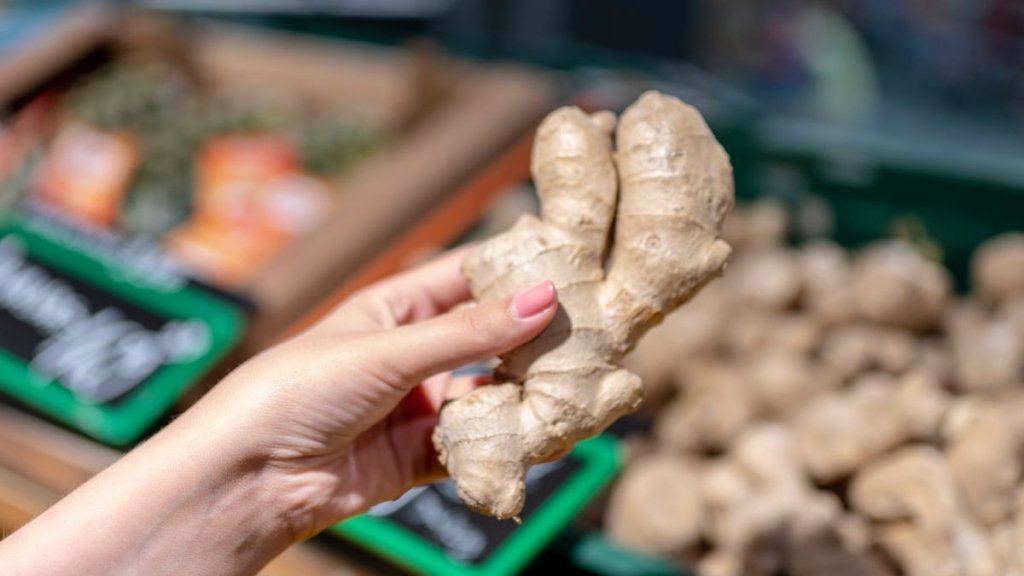
Ginger, a humble root with a history dating back over 2,500 years, has long been celebrated in traditional Chinese medicine for its ability to soothe nausea, stomach aches, and digestive issues. But did you know that this spicy, aromatic root is also a powerhouse of health benefits that modern science is only beginning to fully understand? From reducing inflammation to potentially lowering the risk of chronic diseases, ginger is more than just a kitchen staple—it’s a natural remedy that’s worth incorporating into your daily routine.
A Brief History of Ginger’s Healing Powers
Ginger’s medicinal properties have been recognized for centuries. Ancient Chinese texts from 400 BC describe its use in treating a variety of ailments, and today, it remains a go-to remedy for everything from morning sickness to motion sickness. The secret to ginger’s effectiveness lies in its bioactive compounds, particularly gingerol, which has powerful anti-inflammatory and antioxidant properties.
How to Add Ginger to Your Diet
Ginger is incredibly versatile and can be consumed in many forms. You can find it fresh in the produce section, dried and powdered in the spice aisle, or even in capsule form in the supplement section. According to functional medicine practitioner Kenny Mittlestadt, the form of ginger you choose can make a difference. Fresh ginger is gentle and warming, making it ideal for daily digestive support and immune resilience. Dried ginger, on the other hand, is more potent and is often used to “stoke the digestive fire.”
Ginger can be added to teas, smoothies, soups, stir-fries, marinades, and curries. It’s also a popular ingredient in cocktails, especially mule drinks, and can be used to make refreshing mocktails if you’re avoiding alcohol.
7 Science-Backed Health Benefits of Ginger
-
Treats Nausea and Vomiting: Ginger is a well-known remedy for morning sickness, motion sickness, and postoperative nausea. Its ability to block serotonin receptors in the gut lining helps calm stomach upset.
-
Relieves Menstrual Pain: Studies have shown that ginger can be as effective as NSAIDs in reducing menstrual pain, making it a natural alternative for women suffering from dysmenorrhea.
-
Lowers Blood Pressure: Regular consumption of ginger has been linked to a significant reduction in blood pressure, particularly in individuals over 50.
-
Regulates Blood Sugar: Ginger may help lower HbA1c and fasting blood sugar levels, making it a potential aid for people with type 2 diabetes.
-
Improves Cognitive Function: The compounds in ginger, such as 6-shogaol and 6-gingerol, may protect against neurodegenerative diseases like Alzheimer’s by reducing inflammation and oxidative stress.
-
Lowers Cancer Risk: Ginger’s anti-cancer properties have been studied in relation to gastrointestinal cancers, with promising results in reducing cancer markers.
-
Relieves Lung Inflammation and Asthma Symptoms: Ginger may help suppress the Th2-mediated response that contributes to airway inflammation, potentially easing asthma symptoms.
Potential Side Effects and Precautions
While ginger is generally safe for most people, consuming too much (more than 6 grams per day) can lead to side effects like diarrhea, heartburn, or acid reflux. If you’re on medication, pregnant, or breastfeeding, it’s best to consult your doctor before adding large amounts of ginger to your diet.
Is It Okay to Eat Ginger Every Day?
Yes! Daily ginger consumption is not only safe but also beneficial. The recommended daily intake is 3–4 grams, or up to 1 gram during pregnancy. Studies have shown that people who consume more ginger have a lower risk of hypertension and coronary heart disease.
Does Ginger Reduce Belly Fat?
Ginger may help with weight management by reducing hunger and boosting metabolism. Studies have shown that regular ginger consumption can lead to a reduction in body weight and waist circumference.
What’s the Healthiest Way to Consume Ginger?
The healthiest way to consume ginger is in its raw form. You can make ginger tea, add it to dishes, or juice it for ginger shots. Its versatility makes it easy to incorporate into your daily routine.
The Bottom Line
Ginger is a natural, affordable, and accessible superfood with a wide range of health benefits. From soothing nausea to potentially reducing the risk of chronic diseases, it’s a versatile addition to any diet. Just remember to consult your doctor if you have any health concerns or are taking medication.
Tags: ginger health benefits, ginger for nausea, ginger for digestion, ginger for inflammation, ginger for blood sugar, ginger for weight loss, ginger for cognitive function, ginger for cancer prevention, ginger for asthma, ginger tea, fresh ginger, dried ginger, ginger supplements, natural remedies, superfoods, ancient medicine, modern science, health and wellness, viral health trends.
Viral Phrases: “Ginger: The Ancient Superfood You Need to Try Today!” “7 Surprising Health Benefits of Ginger You Didn’t Know About!” “How Ginger Can Transform Your Health in Just 8 Weeks!” “The Secret to Lowering Blood Pressure? It’s in Your Spice Rack!” “Ginger: The Natural Remedy for Nausea, Pain, and More!”
,
Leave a Reply
Want to join the discussion?Feel free to contribute!