
New Apple Studio Displays Double Internal Storage to 128GB
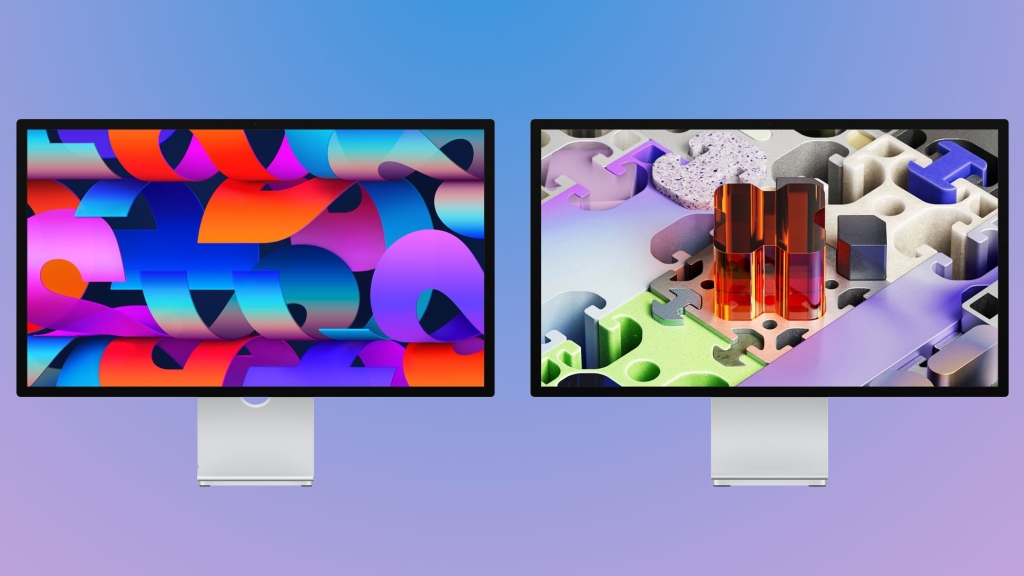
Apple’s Studio Display Series Packs a Surprising 128GB of Storage: Here’s Why It Matters
Apple’s latest Studio Display and Studio Display XDR have just hit the market, and eagle-eyed tech sleuths have uncovered a fascinating detail that’s got the industry buzzing: both models are packing a whopping 128GB of internal NAND storage. That’s right—double the capacity of their predecessors—and it’s raising eyebrows across the tech world.
At first glance, it seems like overkill. After all, these are monitors, not smartphones or tablets. But the truth is far more interesting. Both displays are powered by Apple’s A19 and A19 Pro chips, respectively, and run a full iOS-based operating system. That’s the same architecture you’d find in an iPhone or iPad, and it’s what enables the Studio Display to deliver a seamless, intelligent experience.
So, what exactly is all that storage being used for? The answer lies in the display’s advanced feature set. The A19 and A19 Pro chips handle everything from Center Stage camera processing (keeping you perfectly framed during video calls) to color calibration, USB and Thunderbolt device management, and even spatial audio. All of these features require significant onboard processing and, crucially, storage for the operating system, firmware, and future updates.
Let’s break it down: the 128GB of storage isn’t for storing your photos or documents—it’s for the software that makes the Studio Display so smart. The operating system, advanced camera algorithms, and audio processing all need room to breathe. Plus, as Apple rolls out firmware updates over the years, that extra space ensures your display stays cutting-edge without running out of room.
Interestingly, the previous generation Studio Display had just 64GB of storage. So why the jump to 128GB? According to industry insiders, it’s likely a matter of economics and supply chain efficiency. Apple is already producing massive quantities of NAND storage for its iPhones, so leveraging that same supply chain for the Studio Display probably made the most sense—even if most of that space goes unused.
But that’s not all. The Studio Display comes with 8GB of RAM, while the high-end Studio Display XDR bumps that up to 12GB. These specs put the new displays on par with some of Apple’s most capable devices, underlining just how powerful these monitors really are under the hood.
The new Studio Display and Studio Display XDR launched today and are available now from the Apple Store online and at Apple retail locations worldwide. With their sleek designs, cutting-edge chips, and now-revealed powerhouse internals, these displays are more than just screens—they’re full-fledged computing devices in their own right.
So, next time you marvel at your Studio Display’s crisp visuals or seamless video calls, remember: there’s a whole lot more going on inside than meets the eye. Apple’s decision to pack in 128GB of storage may seem surprising, but it’s a testament to the company’s commitment to delivering a premium, future-proof experience. And in the world of tech, that’s always a smart move.
Tags: Apple Studio Display, 128GB storage, A19 chip, A19 Pro, iOS-based OS, Center Stage, color calibration, Thunderbolt, spatial audio, NAND storage, Apple supply chain, firmware updates, Studio Display XDR, 8GB RAM, 12GB RAM, Apple Store, tech innovation
Viral Phrases:
- “128GB in a monitor? Apple’s secret sauce revealed!”
- “Studio Display runs iOS—yes, really!”
- “Why your new Apple display has more storage than your old laptop”
- “Apple’s storage gamble pays off for Studio Display”
- “Inside the powerhouse: Apple’s A19 chip in your monitor”
- “Future-proofing the Studio Display with 128GB of NAND”
- “Tech insiders shocked by Apple’s storage strategy”
- “Studio Display XDR: 12GB RAM and counting”
- “The hidden computer in your Apple display”
- “Apple doubles down on display intelligence”
,


Leave a Reply
Want to join the discussion?Feel free to contribute!