
Why does the MacBook Air M5 keyboard look different? Blame your iPhone
Apple’s Subtle MacBook Air M5 Keyboard Change: A Global Strategy Shift
In the world of tech, where every millimeter of screen bezel and every millisecond of performance is scrutinized, Apple has quietly implemented a change that most users won’t even notice—but it speaks volumes about the company’s global strategy.
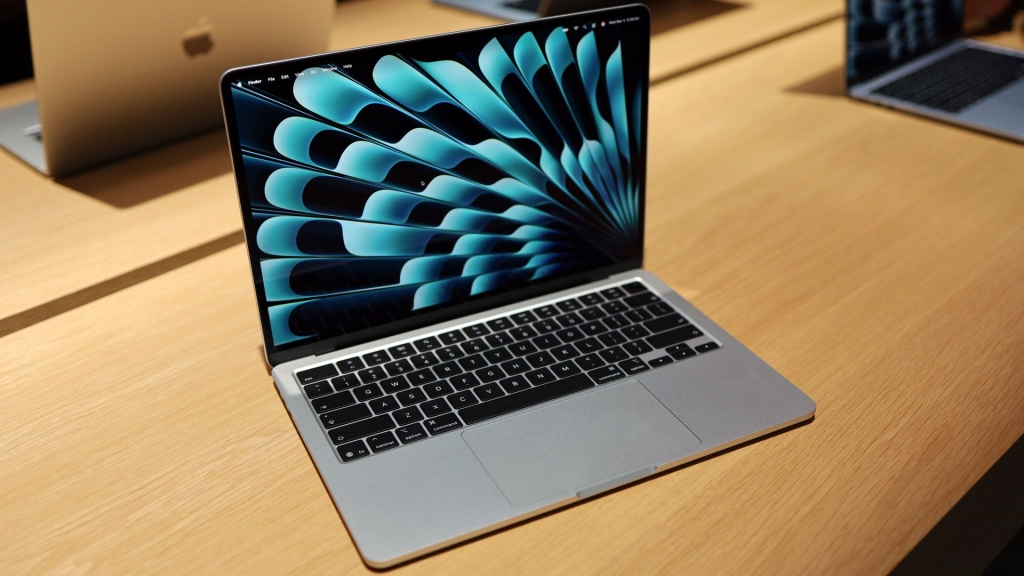
The new MacBook Air M5 features a subtle but significant keyboard redesign: four keys that once displayed words now show only glyphs or symbols. The Caps Lock, Shift, Delete, and Return keys have all been stripped of their text labels, replaced with universal icons that mirror Apple’s iOS keyboard design.
Why This Matters More Than You Think
At first glance, this might seem like a purely aesthetic choice—a cleaner, more minimalist keyboard design. But dig deeper, and you’ll find Apple’s trademark ecosystem thinking at work.
Global Market Alignment
Apple’s decision appears to be part of a broader strategy to create consistency across its product lineup and international markets. In the UK and other regions, MacBook keyboards have long featured these glyph-based designs, while US keyboards retained text labels. Now, Apple is standardizing globally.
This alignment makes manufacturing more efficient and creates a consistent user experience regardless of where you purchase your MacBook. It’s a small change that simplifies Apple’s supply chain while maintaining the premium feel that Mac users expect.
iOS Ecosystem Familiarity
The glyphs aren’t random—they’re directly borrowed from the iPhone keyboard. That familiar “delete” symbol, the up-arrow for caps lock, and the curved arrow for return are all instantly recognizable to anyone who’s used an iOS device.
This design choice creates a seamless transition for iPhone users considering their first Mac. The learning curve becomes virtually nonexistent when the keyboard on your $3,000 laptop matches the one on your $1,000 phone.
The Numbers Game
While Apple doesn’t break down exact figures, market analysts estimate that Windows still holds a dominant position in desktop operating systems globally, with macOS capturing only single-digit market share. Meanwhile, iPhone adoption continues to soar worldwide.
By making macOS more familiar to the billions of iPhone users, Apple is essentially creating a bridge between mobile and desktop computing. It’s a subtle psychological nudge that says, “You already know how to use this—just on a bigger screen.”
The Technical Side
The MacBook Air M5 itself represents Apple’s continued silicon dominance. Built on the company’s custom M5 chip, it delivers exceptional performance while maintaining the Air’s signature thin and light design. The keyboard change is just one of many refinements Apple makes to maintain its competitive edge in the premium laptop market.
What Users Are Saying
Early adopters and tech reviewers have largely praised the change. Touch typists report no issues, noting that they rarely look at the keyboard anyway. Visual learners appreciate the cleaner aesthetic, while international users welcome the standardization across regions.
Some users initially worried about confusion, but Apple’s consistent iconography across iOS devices has made the glyphs intuitive. The change represents Apple’s confidence that its design language has become universal enough to transcend language barriers.
The Bigger Picture
This keyboard evolution is part of Apple’s broader strategy to create a cohesive ecosystem where every device feels like an extension of the others. From AirPods that automatically switch between devices to iCloud syncing that keeps everything in harmony, Apple is building a world where the boundaries between devices blur.
The MacBook Air M5’s keyboard change might seem minor, but it’s emblematic of how Apple thinks about product design—not just as individual devices, but as interconnected parts of a larger whole.
Looking Ahead
As Apple continues to expand its silicon lineup and push deeper into new markets, expect to see more of these subtle design choices that prioritize ecosystem familiarity over traditional computing conventions. The company is betting that the future of computing isn’t about learning new interfaces, but about making technology feel like a natural extension of what users already know.
Whether you’re a long-time Mac user or considering your first Apple device, these changes are designed to make the transition smoother, the experience more intuitive, and ultimately, to keep you within Apple’s carefully cultivated ecosystem.
Tags & Viral Phrases:
- Apple ecosystem domination
- MacBook Air M5 secrets
- iOS keyboard coming to Mac
- Global keyboard standardization
- Apple’s silent market takeover
- Silicon evolution continues
- iPhone users get Mac advantage
- Subtle design changes that matter
- Apple’s ecosystem strategy revealed
- MacBook keyboard evolution
- Cross-platform consistency
- Apple’s global market play
- iPhone to Mac transition made easy
- Apple’s silent ecosystem expansion
- Keyboard glyphs explained
- Apple’s design language unification
- The future of computing is familiar
- Apple’s ecosystem lock-in strategy
- MacBook Air M5 hidden features
- Apple’s global keyboard revolution
,


Leave a Reply
Want to join the discussion?Feel free to contribute!