
Stryker experiencing widespread outage due to cyberattack – Cybersecurity Dive

Stryker Experiences Widespread Outage Due to Sophisticated Cyberattack
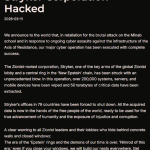
In a significant disruption that has sent shockwaves through the global healthcare technology sector, Stryker Corporation—one of the world’s leading medical technology companies—has confirmed a widespread operational outage caused by a sophisticated cyberattack. The incident, which began late last week, has affected multiple facets of the company’s operations, including its manufacturing, supply chain, and customer support services.
Stryker, headquartered in Kalamazoo, Michigan, is renowned for its innovative medical devices and equipment, ranging from surgical instruments to advanced imaging systems. The company serves healthcare providers in over 100 countries, making this outage particularly concerning for hospitals and clinics worldwide that rely on Stryker’s products and services.
According to sources familiar with the matter, the cyberattack is believed to have exploited vulnerabilities in Stryker’s network infrastructure, potentially involving ransomware or a similar form of malicious software. While the company has not disclosed the exact nature of the attack, cybersecurity experts speculate that the incident could be part of a broader trend of targeted attacks on critical infrastructure and healthcare organizations.
In a brief statement released to the public, Stryker acknowledged the outage and assured stakeholders that it is working diligently to restore normal operations. “We are actively investigating the situation and are taking all necessary steps to mitigate the impact on our customers and partners,” the statement read. However, the company has not provided a timeline for when services will be fully restored, leaving many in the healthcare industry anxious about potential delays in accessing essential medical equipment.
The outage has already begun to ripple through the healthcare supply chain. Hospitals and surgical centers that depend on Stryker’s products are reporting delays in receiving critical supplies, such as joint replacement implants, surgical navigation systems, and hospital beds. Some facilities have been forced to postpone non-emergency procedures, highlighting the far-reaching consequences of the cyberattack.
Cybersecurity analysts have noted that the Stryker incident underscores the growing threat posed by cyberattacks to the healthcare sector. “Healthcare organizations are increasingly becoming targets for cybercriminals due to the sensitive nature of their data and the critical nature of their operations,” said Dr. Emily Carter, a cybersecurity expert at the University of Michigan. “This attack serves as a stark reminder of the need for robust cybersecurity measures and incident response plans.”
The attack on Stryker also raises questions about the broader implications for the medical technology industry. As healthcare providers become more reliant on digital systems and connected devices, the potential for cyberattacks to disrupt patient care and compromise sensitive data grows exponentially. Industry leaders are calling for increased investment in cybersecurity infrastructure and greater collaboration between technology companies, healthcare providers, and government agencies to address these emerging threats.
In the wake of the outage, Stryker has reportedly engaged a team of cybersecurity experts to investigate the breach and implement measures to prevent future incidents. The company has also notified law enforcement and regulatory authorities, as is standard practice in such cases. However, details about the extent of the damage, the identity of the attackers, or the potential ransom demands—if any—have not been disclosed.
For now, the healthcare industry is left to grapple with the immediate fallout of the outage. Hospitals and clinics are being advised to review their contingency plans and explore alternative suppliers to mitigate the impact on patient care. Meanwhile, Stryker’s customers are eagerly awaiting updates on when normal operations will resume.
As the investigation into the cyberattack continues, one thing is clear: the incident serves as a wake-up call for the entire healthcare technology sector. In an era where digital transformation is reshaping the way healthcare is delivered, the stakes for cybersecurity have never been higher. Stryker’s experience is a sobering reminder that even the most advanced and well-resourced organizations are not immune to the growing threat of cybercrime.
Tags & Viral Phrases:
Stryker cyberattack, healthcare technology outage, ransomware attack, medical device supply chain disruption, cybersecurity in healthcare, critical infrastructure attack, Stryker Corporation outage, healthcare industry cyberattack, surgical equipment delays, hospital supply chain crisis, Stryker data breach, global healthcare technology disruption, medical technology cybersecurity, ransomware in healthcare, Stryker incident response, healthcare sector vulnerabilities, Stryker operational disruption, medical device manufacturer cyberattack, healthcare cybersecurity threats, Stryker customer impact, hospital contingency planning, Stryker investigation update, healthcare technology resilience, Stryker supply chain recovery, critical medical equipment delays, Stryker network breach, healthcare industry wake-up call, Stryker ransomware speculation, medical technology supply chain crisis, Stryker cybersecurity measures, healthcare data protection, Stryker operational restoration, global healthcare supply chain, Stryker cyberattack fallout, healthcare technology risk management, Stryker incident investigation, medical device industry cybersecurity, Stryker customer communication, healthcare technology incident, Stryker operational impact, hospital equipment shortages, Stryker cyberattack response, healthcare technology disruption, Stryker network security, medical technology industry resilience, Stryker operational challenges, healthcare cybersecurity collaboration, Stryker supply chain contingency, medical device industry vulnerabilities, Stryker cyberattack lessons, healthcare technology incident response, Stryker operational recovery, hospital supply chain resilience, Stryker cybersecurity collaboration, healthcare technology risk, Stryker operational updates, hospital equipment contingency, Stryker cyberattack analysis, healthcare technology incident management, Stryker operational mitigation, hospital supply chain adaptation, Stryker cybersecurity strategy, healthcare technology incident prevention, Stryker operational resilience, hospital equipment alternatives, Stryker cyberattack prevention, healthcare technology incident lessons, Stryker operational continuity, hospital supply chain innovation, Stryker cybersecurity investment, healthcare technology incident preparedness, Stryker operational adaptation, hospital equipment innovation, Stryker cyberattack awareness, healthcare technology incident awareness, Stryker operational awareness, hospital supply chain awareness, Stryker cybersecurity awareness, healthcare technology awareness, Stryker operational awareness, hospital equipment awareness, Stryker cyberattack impact, healthcare technology impact, Stryker operational impact, hospital supply chain impact, Stryker cybersecurity impact, healthcare technology impact, Stryker operational impact, hospital equipment impact, Stryker cyberattack recovery, healthcare technology recovery, Stryker operational recovery, hospital supply chain recovery, Stryker cybersecurity recovery, healthcare technology recovery, Stryker operational recovery, hospital equipment recovery, Stryker cyberattack future, healthcare technology future, Stryker operational future, hospital supply chain future, Stryker cybersecurity future, healthcare technology future, Stryker operational future, hospital equipment future.
,

Leave a Reply
Want to join the discussion?Feel free to contribute!