
Microsoft outs Xbox Project Helix: ‘We want to break down the artificial barriers between PC and console’
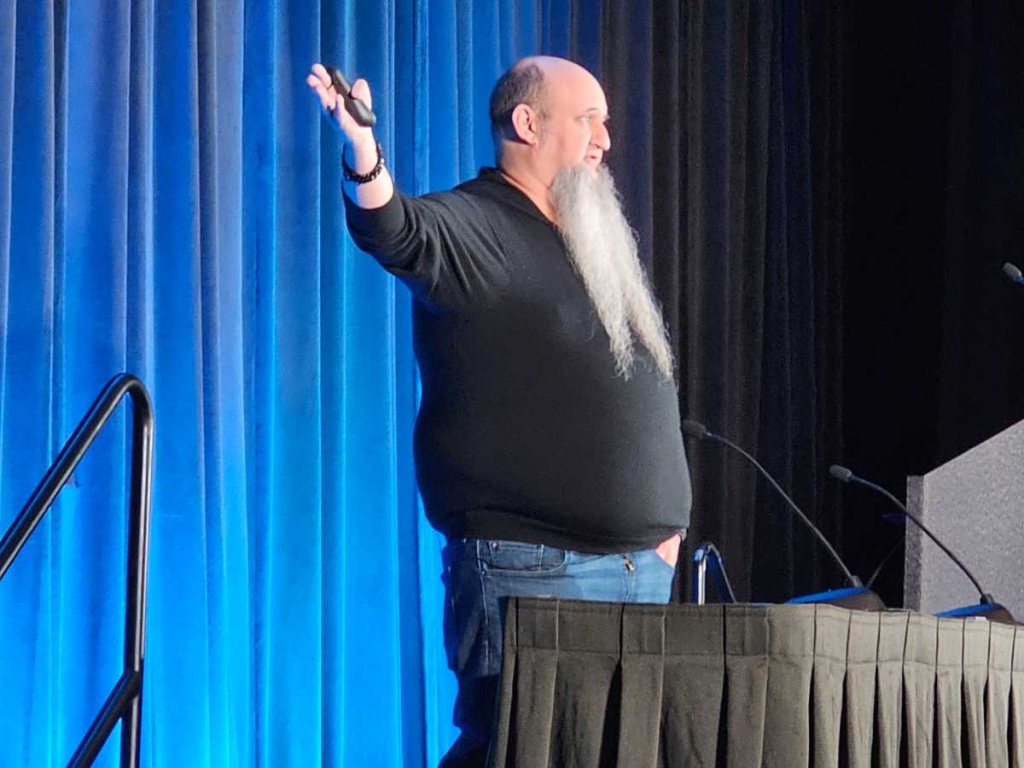
Microsoft’s Project Helix: The Next-Gen Console That Blurs the Line Between PC and Xbox
At the Game Developers Conference (GDC) 2026, Microsoft dropped a bombshell that’s set to revolutionize the gaming industry. Project Helix, the company’s next-generation console, represents a bold vision where the traditional boundaries between PC and console gaming dissolve into a seamless, unified experience. With an ambitious roadmap that extends to 2027 and beyond, Microsoft is positioning itself at the forefront of gaming’s future.
A Familiar Vision for PC Gamers
If you’re a PC gamer, what Microsoft revealed about Project Helix should feel like déjà vu. The company is essentially bringing console-grade optimization and simplicity to the PC platform while simultaneously elevating console capabilities to rival high-end gaming rigs. This two-way convergence represents Microsoft’s most ambitious hardware strategy yet.
“We’re breaking down the artificial barriers between PC and console gamers,” said Jason Ronald, Microsoft’s Vice President of Next Generation. “The future of gaming isn’t about choosing sides—it’s about playing the games you love, wherever you want, however you want.”
The Roadmap to 2027 and Beyond
Microsoft executives revealed that alpha versions of the Helix console will be sent to developers in 2027, giving us a clear timeline for when we might see this revolutionary hardware hit the market. But the transformation is already underway with significant changes coming to Windows PCs this April.
The company announced that its “Xbox Mode” will transition from the handheld form factor to all Windows PCs beginning this spring. This means millions of existing gaming PCs will gain access to a streamlined, console-like interface that eliminates the complexity many users find intimidating.
The Technical Foundation: AMD Partnership
At the heart of Project Helix lies a deep partnership with AMD, building on years of successful collaboration. While AMD has historically provided the system-on-a-chip (SoC) components for Xbox consoles, this new generation represents a quantum leap forward.
“We’re designing a family of silicon that can work across a family of devices,” Ronald explained. “The goal is to give consumers confidence that their games will run beautifully on a wide diversity of devices, from handhelds to high-end consoles to gaming PCs.”
This silicon family approach means developers can optimize once and deploy everywhere, dramatically reducing the fragmentation that has plagued the industry for years.
Next-Generation Graphics and Performance
Project Helix promises to deliver cutting-edge visual fidelity that rivals the best PC gaming experiences. Microsoft highlighted several key technologies that will define the next generation:
Next-generation ray tracing will provide more realistic lighting, shadows, and reflections than ever before. But Microsoft isn’t stopping at traditional ray tracing—they’re introducing “next-gen ray regeneration” for the console, including full path tracing capabilities.
Neural rendering techniques will include advanced upscaling and multi-frame generation. These AI-powered technologies can dramatically improve performance while maintaining visual quality, though Microsoft hasn’t yet revealed specific performance metrics like frame rates or resolution targets.
Deep texture compression represents a brand-new technique that Microsoft claims will significantly reduce storage requirements while maintaining visual fidelity. This could be crucial as games continue to balloon in size.
DirectStorage integration will allow games to stream data directly from SSDs to the GPU, dramatically reducing load times and enabling larger, more detailed game worlds.
FSR Diamond: AMD’s Next Evolution
Jack Huynh, AMD’s Senior Vice President of Computing and Graphics, revealed that AMD’s technology for Project Helix will be called FSR Diamond (which Microsoft internally refers to as FSR Next). This next iteration of AMD’s upscaling technology will include machine learning-based upscaling and frame generation capabilities.
“The goal is to provide the best possible experience across the entire ecosystem,” Huynh said in a post on X (formerly Twitter). “FSR Diamond represents years of research and development to push the boundaries of what’s possible in real-time rendering.”
The Xbox Fullscreen Experience Coming to All Windows PCs
Perhaps the most significant announcement for PC gamers is the Xbox Fullscreen Experience coming to all Windows PCs in April 2026. This feature transforms the traditional Windows gaming experience into something more akin to a console interface.
“We’re constantly iterating with features like Auto Super Resolution, shader delivery, and ‘highlight reels’ as part of our ongoing development,” Ronald said. “The Xbox Fullscreen Experience eliminates the complexity of Windows gaming while preserving all the power and flexibility that PC gamers expect.”
This means that even if you’re using a traditional gaming PC, you’ll be able to boot directly into a streamlined gaming interface without navigating through the Windows desktop. It’s a bold move that acknowledges the growing convergence between console simplicity and PC power.
Cross-Platform Integration: The Future of Gaming
Microsoft’s vision extends far beyond hardware. The company is pushing for a future where cross-platform integration, progression, and entitlement become the norm. This means players will own both “console” and “PC” versions of games, with progress synchronized across all platforms through Xbox cloud saves.
“We want to eliminate the friction that has traditionally separated different gaming ecosystems,” Ronald said. “Whether you’re playing on a handheld, a console, or a high-end gaming PC, your experience should be consistent and your progress should follow you.”
This approach also extends to game preservation. Microsoft emphasized its commitment to maintaining older games and finding new ways to play them on modern hardware. In an industry where backward compatibility has often been an afterthought, this represents a significant philosophical shift.
The Expanding Xbox Ecosystem
While Microsoft remains committed to the console market (“It’s who we are, and it will always be around,” Ronald said), the company is also doubling down on handheld gaming and accessories.
The Asus ROG Xbox Ally, mentioned by Ronald, represents an early example of this strategy—a Windows-powered handheld that provides a console-like experience without the Windows interface. This device, and others like it, will benefit from the unified Helix architecture.
Microsoft is also pushing deeper into the accessory space, though specific details weren’t revealed. This could include everything from controllers and headsets to potentially more specialized gaming peripherals designed specifically for the Helix ecosystem.
The Foundation: Incredible Games
Despite all the technological advancements and ecosystem integration, Ronald emphasized that everything comes back to one fundamental truth: “Ultimately, however, it’s all founded in incredible games.”
This sentiment underscores Microsoft’s understanding that no amount of technical innovation matters if it doesn’t serve the core purpose of gaming—providing compelling, entertaining experiences that players love.
What This Means for Gamers
Project Helix represents more than just a new console—it’s a fundamental reimagining of how we think about gaming platforms. By breaking down the artificial barriers between PC and console, Microsoft is creating an ecosystem where players have unprecedented freedom to choose how they want to play.
For console gamers, this means access to PC-level graphics and performance without the complexity. For PC gamers, it means a more streamlined, console-like experience without sacrificing the power and flexibility they value. For developers, it means a unified target that simplifies development and maximizes reach.
The timeline suggests we’re still a couple of years away from seeing the full Helix vision realized, but the April 2026 rollout of Xbox Mode to all Windows PCs shows that the transformation is already beginning. As we move toward 2027 and beyond, the lines between different gaming platforms will continue to blur until they eventually disappear entirely.
This is Microsoft’s bold bet on the future of gaming—a future where the platform you choose matters less than the games you play and the experiences you have. Whether this vision resonates with gamers remains to be seen, but one thing is clear: the gaming landscape is about to change in ways we’re only beginning to understand.
Tags: #ProjectHelix #XboxNextGen #GamingRevolution #PCGaming #ConsoleGaming #Microsoft #AMDPartnership #NextGenGaming #GameDevelopment #GamingTechnology #CrossPlatformGaming #XboxMode #GamingEcosystem #FutureOfGaming #GDC2026
Viral Phrases: “breaking down the artificial barriers between PC and console gamers” “the ultimate player-first experience” “consistent experience across all platforms” “game preservation in the modern era” “silicon family approach” “Xbox Fullscreen Experience” “FSR Diamond technology” “DirectStorage integration” “next-gen ray regeneration” “cross-platform entitlement” “alpha versions in 2027” “unified gaming ecosystem” “console-grade optimization for PC” “handheld gaming evolution” “game development simplification” “platform-agnostic gaming” “Microsoft’s bold bet on gaming’s future” “the lines between platforms are disappearing” “unprecedented freedom in how we play”
,


Leave a Reply
Want to join the discussion?Feel free to contribute!