
A 5,500-Year-Old Skeleton Reveals the Deep Origins of Syphilis
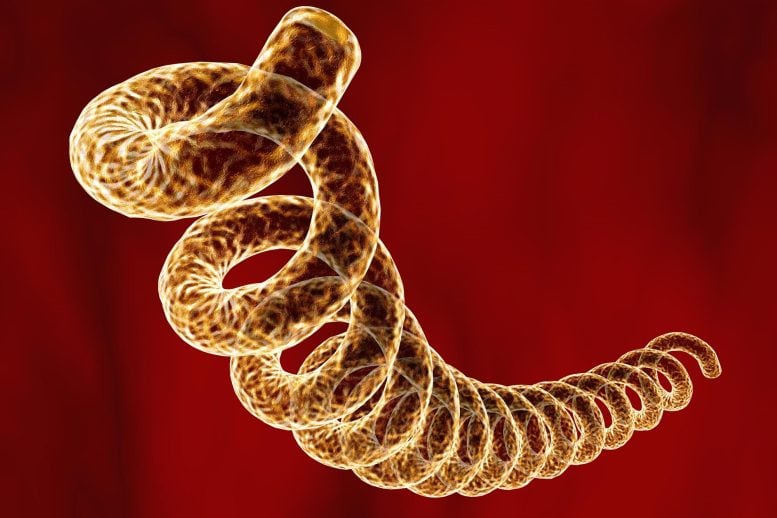
Ancient Skeleton Unveils 5,500-Year-Old Syphilis Genome, Rewriting the History of a Devastating Disease
In a groundbreaking discovery that bridges ancient history with modern science, researchers have uncovered the oldest known genome of the bacterium responsible for syphilis, offering unprecedented insights into the origins and evolution of treponemal diseases in the Americas. This remarkable find, extracted from a 5,500-year-old skeleton, not only pushes back the timeline of syphilis but also reveals a previously unknown lineage of the pathogen, challenging long-held assumptions about the disease’s history.
The study, published in a leading scientific journal, centers on the bacterium Treponema pallidum, the causative agent of syphilis and related diseases such as yaws and bejel. By reconstructing the genome of this ancient pathogen, scientists have unlocked a treasure trove of information about how these diseases evolved and spread across the Americas long before European contact.
The skeleton in question was discovered in a burial site in northeastern Brazil, a region known for its rich archaeological heritage. Initial analysis of the remains suggested signs of a treponemal infection, prompting researchers to extract and sequence ancient DNA from the bones. The results were astonishing: the genome they reconstructed was not only the oldest of its kind but also belonged to a lineage of T. pallidum that had never been documented before.
This discovery has profound implications for our understanding of the history of syphilis and related diseases. For decades, the origins of syphilis have been a subject of intense debate among historians and scientists. The “Columbian theory” posits that syphilis was brought to Europe by Christopher Columbus’s crew after their return from the Americas in 1493. However, the new findings suggest that treponemal diseases were already present in the Americas thousands of years earlier, indicating a much deeper and more complex history.
The reconstructed genome provides a window into the evolutionary journey of T. pallidum. By comparing it to modern strains, researchers have identified genetic changes that may have occurred over millennia, shedding light on how the bacterium adapted to different environments and hosts. This information could prove invaluable in the fight against syphilis and other treponemal diseases, which continue to pose significant public health challenges worldwide.
Moreover, the discovery underscores the importance of ancient DNA research in unraveling the mysteries of human history. By studying the genetic material of pathogens preserved in ancient remains, scientists can trace the origins and spread of diseases, offering insights that are impossible to glean from historical records alone. This approach has already revolutionized our understanding of other diseases, such as the Black Death and the Spanish flu, and now it is doing the same for syphilis.
The implications of this research extend beyond the realm of science. By highlighting the deep roots of treponemal diseases in the Americas, the study challenges narratives that have long dominated the discourse on the origins of syphilis. It also emphasizes the need for a more nuanced understanding of the complex interactions between humans and pathogens throughout history.
As researchers continue to analyze the data, they hope to uncover even more details about the ancient lineage of T. pallidum and its role in shaping the history of treponemal diseases. Future studies may focus on identifying additional ancient genomes, exploring the genetic diversity of T. pallidum in different regions, and investigating the factors that drove the evolution of these pathogens.
This groundbreaking discovery is a testament to the power of interdisciplinary collaboration, combining the expertise of archaeologists, geneticists, and historians to shed new light on a disease that has plagued humanity for millennia. It also serves as a reminder of the enduring relevance of ancient history in addressing contemporary challenges, from public health to our understanding of human evolution.
As we reflect on this remarkable achievement, one thing is clear: the story of syphilis is far more complex and ancient than we ever imagined. Thanks to the tireless efforts of scientists and the remarkable preservation of ancient DNA, we are now one step closer to unraveling the full history of this devastating disease—and perhaps, one step closer to defeating it.
Tags:
syphilis genome, ancient DNA, treponemal diseases, Treponema pallidum, 5,500-year-old skeleton, Americas, evolutionary history, public health, ancient pathogens, genetic research, historical diseases, interdisciplinary science, syphilis origins, ancient infections, groundbreaking discovery, scientific breakthrough, viral research, treponemal infections, genetic diversity, human evolution, ancient history, disease evolution, scientific collaboration, ancient remains, genetic sequencing, treponemal bacteria, historical pathogens, ancient skeletons, genetic adaptation, disease history, scientific discovery, ancient DNA analysis, treponemal genome, evolutionary biology, ancient diseases, genetic insights, scientific advancements, historical mysteries, ancient pathogens, treponemal research, genetic evolution, ancient infections, scientific breakthroughs, historical science, genetic discoveries, ancient DNA studies, treponemal history, scientific revelations, ancient biology, genetic breakthroughs, historical research, ancient genetics, treponemal studies, scientific findings, ancient pathogens, genetic history, historical discoveries, ancient DNA breakthroughs, treponemal evolution, scientific insights, ancient skeletons, genetic research, historical pathogens, ancient infections, scientific discoveries, treponemal diseases, genetic adaptations, ancient history, disease origins, scientific advancements, historical mysteries, ancient DNA, genetic breakthroughs, treponemal research, scientific revelations, ancient biology, genetic discoveries, historical science, ancient genetics, treponemal studies, scientific findings, ancient pathogens, genetic history, historical discoveries, ancient DNA breakthroughs, treponemal evolution, scientific insights, ancient skeletons, genetic research, historical pathogens, ancient infections, scientific discoveries, treponemal diseases, genetic adaptations, ancient history, disease origins, scientific advancements, historical mysteries, ancient DNA, genetic breakthroughs, treponemal research, scientific revelations, ancient biology, genetic discoveries, historical science, ancient genetics, treponemal studies, scientific findings, ancient pathogens, genetic history, historical discoveries, ancient DNA breakthroughs, treponemal evolution, scientific insights, ancient skeletons, genetic research, historical pathogens, ancient infections, scientific discoveries, treponemal diseases, genetic adaptations, ancient history, disease origins, scientific advancements, historical mysteries.
,

Leave a Reply
Want to join the discussion?Feel free to contribute!