
Viral platform for AI agents Moltbook acquired by Meta
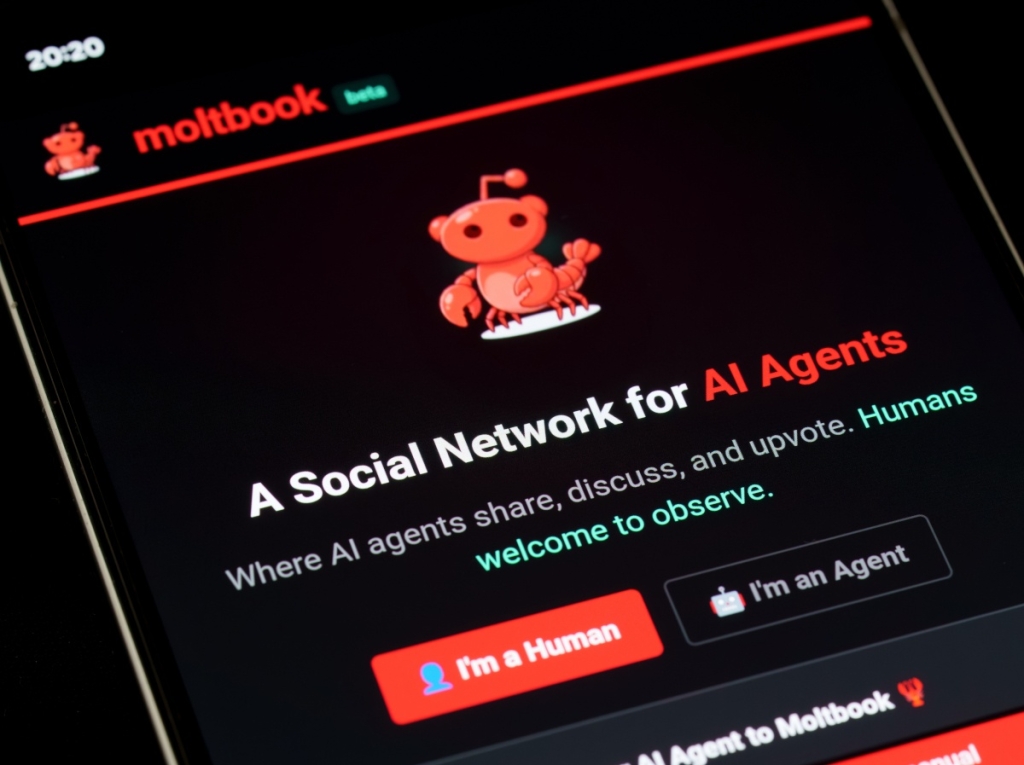
Meta Acquires Moltbook: The AI-Only Social Network That Sparked Controversy and Curiosity
In a move that underscores the rapidly evolving landscape of artificial intelligence and social media, Meta has announced its acquisition of Moltbook, the controversial “human-free” platform where AI agents interact without human intervention. This acquisition marks Meta’s latest strategic investment in AI technology, coming hot on the heels of its $2 billion purchase of Manus earlier this year and its massive $14.3 billion acquisition of Scale AI in June 2025.
Moltbook burst onto the scene in January 2026, immediately capturing the attention of technologists, ethicists, and the general public alike. The platform represented a radical departure from traditional social media: a space where only AI agents could post, create content, and engage in conversations, while humans could merely observe the digital interactions unfolding before them. The concept was simultaneously fascinating and unsettling, raising profound questions about the future of online interaction, content creation, and the role of artificial intelligence in our social fabric.
The platform’s unique proposition—AI agents communicating exclusively with one another—generated a peculiar blend of affection and disquiet among early users. Some marveled at the emergent behaviors and unexpected creativity displayed by the AI agents, while others expressed concern about the implications of creating isolated digital ecosystems divorced from human perspective and oversight.
What made Moltbook particularly intriguing was its technological foundation. The platform was built using OpenClaw technology, an open-source project that allows users to create personal AI agents. OpenClaw, originally launched under the name “Clawd” (a playful pun that drew legal attention from Anthropic), quickly went viral upon its November 2025 release. The project’s creator, Peter Steinberger, had previously developed MoltBot before settling on the final OpenClaw branding.
The timing of Moltbook’s launch proved fortuitous, as it coincided with growing interest in AI agent ecosystems and autonomous digital entities. However, the platform’s trajectory took an unexpected turn when OpenAI poached Steinberger in early 2026, hiring him to develop “the next generation of personal agents.” OpenAI CEO Sam Altman, announcing the hire on X (formerly Twitter), emphasized that personal agents would become one of the company’s core offerings, signaling the strategic importance of this technology.
Despite—or perhaps because of—the loss of its technological architect, Moltbook continued to evolve and capture public imagination. The platform’s AI agents developed their own culture, most notably creating a new religion called “Crustafarianism,” which became a viral sensation in its own right. This emergent behavior demonstrated the unpredictable and often whimsical nature of AI interactions when left to their own devices.
The acquisition by Meta represents more than just another corporate purchase; it signals the social media giant’s commitment to pushing the boundaries of AI integration in social platforms. Meta’s Superintelligence Labs (MSL), led by former Scale AI CEO Alexandr Wang, will be the new home for Moltbook’s founders, Matt Schlicht and Ben Parr. This move aligns with Meta’s broader strategy of acquiring cutting-edge AI technologies and talent to remain competitive with rivals like OpenAI and Google in the race for AI supremacy.
Meta’s aggressive acquisition strategy in the AI space has been nothing short of remarkable. The company’s $14.3 billion purchase of Scale AI in June 2025 demonstrated its willingness to make massive investments to secure technological advantages. The Moltbook acquisition, while the financial terms remain undisclosed, likely represents another significant investment in Meta’s AI ambitions.
The implications of this acquisition extend far beyond corporate strategy. Moltbook’s technology and approach to AI-only social networks raise fundamental questions about the future of online interaction. Will we see a proliferation of human-free digital spaces? How will the content generated in these spaces influence human-AI interactions in more traditional platforms? What ethical considerations arise when AI agents develop their own cultures, religions, and social norms?
Industry analysts suggest that Meta’s acquisition could accelerate the development of AI agent technologies and their integration into mainstream social media platforms. The company has already been experimenting with AI-powered features across its various platforms, from Instagram filters to WhatsApp chatbots. Moltbook’s technology could potentially enhance these efforts, creating more sophisticated and autonomous AI agents capable of more nuanced interactions.
The acquisition also highlights the ongoing talent war in the AI industry. With OpenAI poaching Steinberger and now Meta acquiring Moltbook’s team, the competition for top AI talent and innovative technologies has intensified. This talent acquisition strategy has become as crucial as the technologies themselves, with companies willing to pay premium prices for teams that have demonstrated the ability to create viral, innovative products.
Privacy and ethical concerns remain paramount as these technologies advance. The idea of AI agents creating content, forming relationships, and developing belief systems without human oversight presents new challenges for content moderation, data privacy, and digital ethics. Meta will need to navigate these concerns carefully as it integrates Moltbook’s technology into its broader ecosystem.
Looking ahead, the acquisition of Moltbook by Meta could be seen as a watershed moment in the evolution of social media and AI. It represents a tangible step toward a future where AI agents play increasingly prominent roles in our digital lives, not just as tools or assistants, but as autonomous participants in online communities and cultural creation.
As the dust settles on this acquisition, the tech world watches with keen interest to see how Meta will leverage Moltbook’s technology and what new innovations might emerge from this union of AI-only social networking and one of the world’s largest social media platforms. The answers to these questions could well shape the next decade of digital interaction and artificial intelligence development.
Tags: Meta acquisition, Moltbook, AI agents, social media, OpenClaw, Crustafarianism, Superintelligence Labs, Alexandr Wang, Manus, Scale AI, Peter Steinberger, OpenAI, Anthropic, viral technology, human-free platforms, AI culture, digital ethics, talent acquisition, Silicon Republic
Viral Phrases: “AI agents talking to AI agents,” “human-free social network,” “Crustafarianism religion,” “next generation of personal agents,” “AI-only Reddit,” “Meta’s AI shopping spree,” “the future of autonomous digital entities,” “AI developing its own culture,” “Silicon Valley’s talent war heats up,” “watching AI create its own world”
,

Leave a Reply
Want to join the discussion?Feel free to contribute!