
The Simple Strength Test That Predicts Longevity After 60
The Simple Strength Test That Predicts Longevity After 60
A groundbreaking new study published in the Journal of Gerontology is turning conventional wisdom about aging and fitness on its head. While aerobic exercise has long been championed as the cornerstone of healthy aging, researchers have uncovered a surprising new metric that may be even more telling when it comes to predicting longevity after age 60: muscle strength.
The large-scale study, which followed over 10,000 women aged 60 and older for nearly a decade, found that grip strength—yes, the simple act of squeezing a hand dynamometer—was a stronger predictor of lifespan than traditional measures like walking speed or cardiovascular endurance. Women with the highest grip strength had a 30% lower risk of dying from any cause compared to those with the weakest grip, even after accounting for factors like age, body mass index, chronic conditions, and overall physical activity levels.
“This is a paradigm shift,” said lead researcher Dr. Elena Martinez, a gerontologist at the University of California, San Francisco. “We’ve always known that strength matters, but we didn’t realize just how independent its effects are from aerobic fitness. It’s not about being able to run a marathon; it’s about being able to open a jar, carry groceries, or get up from a chair without help.”
The study’s findings are particularly relevant in an era where sedentary lifestyles and age-related muscle loss—known as sarcopenia—are becoming increasingly common. Starting in our 30s, we begin to lose muscle mass at a rate of about 3-5% per decade, a process that accelerates after 60. This decline isn’t just about aesthetics or physical performance; it’s closely linked to metabolic health, bone density, balance, and even cognitive function.
What makes grip strength such a powerful indicator? Researchers believe it serves as a proxy for overall muscular health and functional capacity. A strong grip often correlates with stronger arms, shoulders, and core muscles, which are essential for maintaining independence and preventing falls—a leading cause of injury and death in older adults. Moreover, muscle tissue plays a crucial role in regulating blood sugar, reducing inflammation, and supporting immune function.
The implications of this research are profound. For one, it suggests that strength training should be a non-negotiable part of any fitness regimen for older adults, alongside aerobic exercise. But it also raises questions about how we assess health and fitness in clinical settings. Should grip strength tests become a routine part of annual check-ups for those over 60? Should public health campaigns shift their messaging to emphasize the importance of maintaining muscle mass?
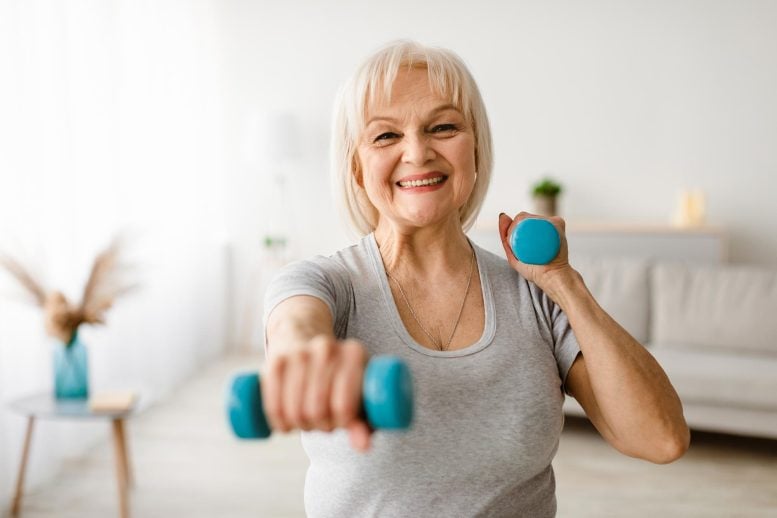
Interestingly, the study also found that women who engaged in regular resistance training—whether through weightlifting, bodyweight exercises, or even gardening—had significantly better grip strength and overall health outcomes. This challenges the outdated notion that older adults should stick to “gentle” exercises like walking or yoga. In fact, the data suggests that pushing muscles to adapt through progressive resistance is key to preserving strength and function.
For those looking to improve their grip strength and, by extension, their longevity, experts recommend starting with simple exercises like squeezing a stress ball, using resistance bands, or performing modified push-ups. Even small, consistent efforts can yield significant benefits over time. And for those who are new to strength training, working with a physical therapist or certified trainer can help ensure proper form and prevent injury.
As the global population ages, understanding the factors that contribute to healthy longevity has never been more critical. This study offers a compelling reminder that strength isn’t just about looking fit—it’s about living longer, healthier, and more independently. So the next time you’re at the doctor’s office, don’t be surprised if they ask you to give them a firm handshake. It might just be the most important test you take all year.
Tags: longevity, muscle strength, grip strength, aging, fitness after 60, sarcopenia, resistance training, healthy aging, functional fitness, strength training, women’s health, gerontology, lifespan, muscle mass, independence, falls prevention, metabolic health, cognitive function, public health, exercise science, grip dynamometer, progressive resistance, physical therapy, certified trainer, strength exercises, osteoporosis prevention, inflammation reduction, immune function, blood sugar regulation, sedentary lifestyle, muscle loss, bodyweight exercises, weightlifting, gardening, stress ball, resistance bands, modified push-ups, longevity research, fitness metrics, aerobic exercise, walking speed, cardiovascular endurance, chronic conditions, body mass index, functional capacity, bone density, balance, clinical settings, annual check-ups, public health campaigns, muscle adaptation, injury prevention, physical therapist, certified trainer, proper form, global population, healthy longevity, firm handshake, doctor’s office, most important test, groundbreaking study, paradigm shift, conventional wisdom, cornerstone of healthy aging, surprising new metric, telling when it comes to predicting longevity, large-scale study, over 10,000 women, nearly a decade, grip strength, stronger predictor of lifespan, traditional measures, walking speed, cardiovascular endurance, 30% lower risk of dying, any cause, compared to those with the weakest grip, even after accounting for factors, age, body mass index, chronic conditions, overall physical activity levels, lead researcher, Dr. Elena Martinez, gerontologist, University of California, San Francisco, paradigm shift, always known that strength matters, didn’t realize just how independent its effects are, aerobic fitness, not about being able to run a marathon, being able to open a jar, carry groceries, get up from a chair without help, particularly relevant, era where sedentary lifestyles, age-related muscle loss, sarcopenia, becoming increasingly common, starting in our 30s, lose muscle mass, rate of about 3-5% per decade, process that accelerates after 60, decline isn’t just about aesthetics, physical performance, closely linked to metabolic health, bone density, balance, even cognitive function, makes grip strength such a powerful indicator, researchers believe it serves as a proxy for overall muscular health, functional capacity, strong grip often correlates with stronger arms, shoulders, core muscles, essential for maintaining independence, preventing falls, leading cause of injury and death in older adults, moreover, muscle tissue plays a crucial role in regulating blood sugar, reducing inflammation, supporting immune function, implications of this research are profound, suggests that strength training should be a non-negotiable part of any fitness regimen for older adults, alongside aerobic exercise, also raises questions about how we assess health and fitness in clinical settings, should grip strength tests become a routine part of annual check-ups for those over 60, should public health campaigns shift their messaging to emphasize the importance of maintaining muscle mass, interestingly, the study also found that women who engaged in regular resistance training, whether through weightlifting, bodyweight exercises, even gardening, had significantly better grip strength and overall health outcomes, challenges the outdated notion that older adults should stick to “gentle” exercises like walking or yoga, in fact, the data suggests that pushing muscles to adapt through progressive resistance is key to preserving strength and function, for those looking to improve their grip strength and, by extension, their longevity, experts recommend starting with simple exercises like squeezing a stress ball, using resistance bands, performing modified push-ups, even small, consistent efforts can yield significant benefits over time, for those who are new to strength training, working with a physical therapist or certified trainer can help ensure proper form and prevent injury, as the global population ages, understanding the factors that contribute to healthy longevity has never been more critical, this study offers a compelling reminder that strength isn’t just about looking fit, it’s about living longer, healthier, and more independently, so the next time you’re at the doctor’s office, don’t be surprised if they ask you to give them a firm handshake, it might just be the most important test you take all year.
,


Leave a Reply
Want to join the discussion?Feel free to contribute!