
Why you shouldn’t tell a chatbot everything about your health
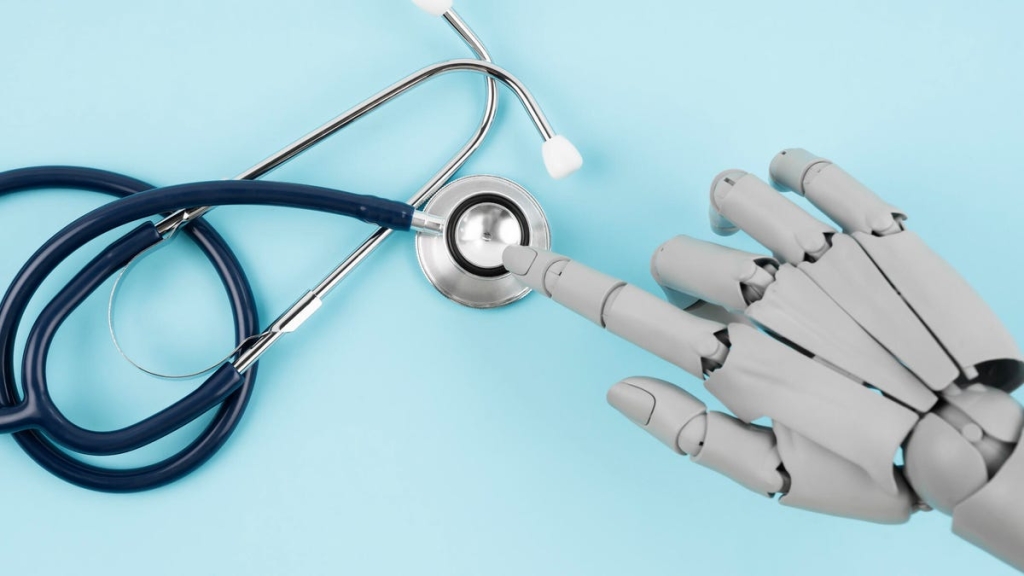
AI Health Advice: A Double-Edged Sword in the Digital Age
In an era where information is just a click away, people are increasingly turning to artificial intelligence for health advice. But as convenient as these AI tools may be, they come with significant risks that both patients and healthcare providers need to understand.
The AI Health Revolution
The healthcare landscape is undergoing a dramatic transformation. Major tech companies like Google, OpenAI, Anthropic, Microsoft, and even rumored Apple are investing heavily in AI-powered health tools. Microsoft’s recent launch of Copilot Health, a secure medical AI that combines health records, wearable data, and medical history, exemplifies this trend. Oura has introduced an experimental women’s health AI, and Amazon and Google have announced their own healthcare software products.
This surge in AI health tools comes at a critical time. Public trust in traditional healthcare institutions is at a historic low, with a recent Annenberg Public Policy Center poll showing a 5-7% decrease in trust toward federal agencies like the CDC, FDA, and NIH over the past year. People are seeking alternatives, and AI offers an always-available, free, and seemingly authoritative source of information.
The Promise and Peril of AI Health Advice
Dr. Alexa Mieses Malchuk, a family physician, has witnessed firsthand how AI is changing the patient-doctor relationship. While she embraces AI for streamlining administrative tasks like triaging patient messages and creating anticipatory guidance, she remains deeply concerned about patients using AI for diagnosis and treatment decisions.
“AI can give users thorough explanations and answers to every health query under the sun. But it can also get lots wrong,” Dr. Mieses Malchuk explains. Her concerns are backed by research. A recent study in Nature found that ChatGPT undertriaged over half of emergency cases, directing patients to delayed evaluation rather than immediate emergency care.
The False Sense of Security Problem
One of the most dangerous aspects of AI health tools is the false sense of security they can create. When an AI chatbot confidently tells someone they don’t need to see a doctor, it could lead to missed diagnoses of serious conditions. Dr. Mieses Malchuk has seen patients arrive at her office less willing to share that they’ve done their own research using AI tools, yet more certain about their self-diagnosis.
“Even in medicine, there’s not always 100% certainty about anything. On one hand, it’s great that we live in this day and age where we have access to information literally at our fingertips, but there are some real downsides to that,” she notes.
How Patients Should Use AI Health Tools
Dr. Mieses Malchuk recommends a cautious approach to AI health tools. Rather than treating them as diagnostic authorities, patients should use them as springboards for understanding general wellness topics. AI excels at creating meal plans for specific dietary needs, generating workout regimens, and providing general wellness advice.
For example, someone recently diagnosed with celiac disease could use AI to generate meal ideas and understand which foods to avoid. AI can create customized workout plans and offer lifestyle recommendations. These applications represent the technology’s strengths without venturing into dangerous diagnostic territory.
The Professional Perspective
Healthcare professionals are increasingly using AI to reduce administrative burdens. Studies show that doctors spend more time on paperwork than face-to-face patient care, a phenomenon some call the “administrative Bermuda Triangle.” AI tools that handle scheduling, clinical documentation, and medical coding can free up valuable time for patient care.
However, Dr. Mieses Malchuk emphasizes that patients should partner with their primary care physicians when using AI-generated information. “Their responses are only as good as the questions we ask,” she explains. Patients may omit crucial information that would lead to a different diagnosis or treatment plan.
The Trust Crisis in Healthcare
The rise of AI health tools coincides with a broader crisis of trust in the medical system. Dr. Mieses Malchuk describes this as “a travesty,” noting that physicians take an oath to “first do no harm.” The idea that alternative resources are giving patients false confidence and encouraging them to bypass medical professionals represents a concerning shift in healthcare dynamics.
The Future of AI in Healthcare
As AI continues to evolve, the healthcare industry faces a critical challenge: how to harness the technology’s benefits while mitigating its risks. The key lies in education and partnership. Patients need to understand AI’s limitations, and healthcare providers need to engage with patients about their AI research rather than dismissing it.
The future likely involves AI as a complementary tool rather than a replacement for medical expertise. When used appropriately, AI can enhance healthcare delivery, improve patient education, and streamline administrative processes. But when it comes to diagnosis and treatment decisions, the human element of medical judgment remains irreplaceable.
Tags: AI health, medical AI, ChatGPT health advice, AI diagnosis, healthcare technology, digital health, patient trust, medical misinformation, AI wellness, healthcare AI tools, virtual health assistant, AI medical errors, health tech trends, AI in medicine, patient education
Viral Phrases: “AI gave me a false sense of security,” “ChatGPT told me I don’t need to see a doctor,” “I diagnosed myself with AI,” “The AI said I’m fine, but I’m not,” “Healthcare’s AI revolution is here,” “Your AI health advice might be wrong,” “The dark side of AI health tools,” “Why doctors are worried about AI diagnosis,” “The trust crisis in healthcare AI,” “How I almost died trusting ChatGPT,” “AI health tools: blessing or curse?”
,

Leave a Reply
Want to join the discussion?Feel free to contribute!