
Uber, Wayve, and Nissan are bringing robotaxis to Tokyo
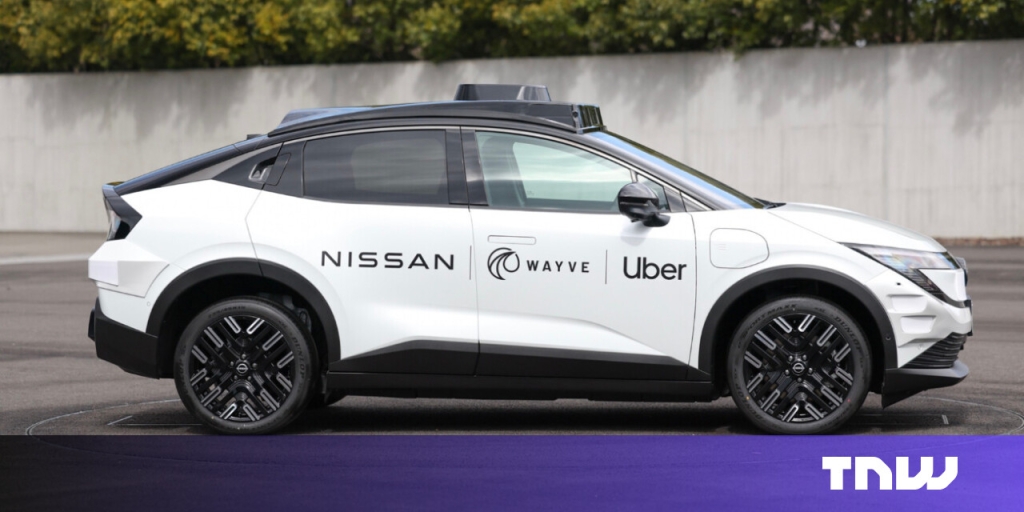
Uber, Wayve, and Nissan Join Forces to Launch Robotaxis in Tokyo by Late 2026
In a groundbreaking move that could reshape urban mobility, Uber, British autonomous driving pioneer Wayve, and Japanese automotive giant Nissan have announced a strategic partnership to deploy robotaxi services in Tokyo by late 2026. This collaboration marks Uber’s first autonomous vehicle venture in Japan and represents a major milestone in the global race toward driverless transportation.
Tokyo, renowned for its complex traffic patterns, dense urban environment, and exacting cultural standards, presents one of the most challenging proving grounds for autonomous vehicle technology. The city’s labyrinthine streets, intricate signage systems, and demanding driving culture make it an ideal testbed for validating whether AI can handle real-world complexity at scale.
Under the terms of their memorandum of understanding, Nissan LEAF electric vehicles will be retrofitted with Wayve’s revolutionary “AI Driver” system—an end-to-end autonomous technology that learns from real-world driving data rather than relying on pre-mapped environments. These vehicles will initially operate through Uber’s platform, with trained safety operators remaining onboard during the pilot phase. The service will launch through a licensed taxi partner, with Uber currently evaluating potential candidates to meet Japan’s strict regulatory requirements.
For Wayve, this announcement represents a critical inflection point in its rapid ascent. The Cambridge-based startup, founded in 2017 by Alex Kendall and Amar Shah, recently secured a staggering $1.2 billion in Series D funding, valuing the company at $8.6 billion. This investment round, led by Eclipse Ventures, Balderton Capital, and SoftBank Vision Fund 2, saw participation from industry heavyweights including Uber, Microsoft, Nvidia, Mercedes-Benz, Nissan, and Stellantis. Uber has additionally committed up to $300 million in milestone-based funding to support multi-year robotaxi deployments across Wayve’s expanding network.
The Tokyo deployment follows Wayve’s successful testing in Japan since early 2025 and positions the city as the second confirmed location in the company’s ambitious global rollout, which aims to cover more than ten cities worldwide. London is slated to receive robotaxi services first, with trials expected to begin earlier in 2026.
Wayve’s technological approach distinguishes it from competitors. Rather than building city-specific models or relying on high-definition mapping, the company’s AI Driver employs a generalizable learning system that adapts to new environments with minimal localization effort. The company claims to be the first autonomous vehicle developer to have successfully driven “zero-shot”—without prior city-specific tuning—across more than 500 cities in Europe, North America, and Japan within a single year.
“Tokyo represents an important step forward in bringing embodied intelligence to one of the world’s most sophisticated mobility markets,” said Wayve CEO Alex Kendall. “We have been testing our technology throughout Japan since early 2025, building extensive experience in the country’s unique road environments.”
For Nissan, this partnership extends beyond a simple technology demonstration. The automaker has been collaborating with Wayve to integrate its AI system into Nissan’s next-generation ProPILOT driver-assistance technology, with consumer vehicles featuring this enhanced capability expected to hit markets in fiscal year 2027. The Tokyo robotaxi pilot essentially serves as a commercial proving ground for technology that Nissan plans to incorporate into its mass-market vehicle lineup.
“Nissan’s vision is to bring mobility intelligence to everyday life,” said Nissan president and CEO Ivan Espinosa. “This initiative reflects how we translate that ambition into real-world applications.”
Uber’s entry into the Japanese autonomous vehicle market comes with unique strategic considerations. Japan’s taxi licensing regime is notoriously strict, and Uber has historically operated there through a licensed-partner model rather than its typical direct driver network. The robotaxi approach elegantly circumvents these structural constraints, as autonomous vehicles operated through licensed taxi companies align more naturally with Japan’s regulatory framework than conventional ride-hailing services.
Uber CEO Dara Khosrowshahi emphasized the long-term nature of this commitment. “Autonomous mobility is becoming an increasingly important part of the Uber platform,” he stated. “We look forward to expanding into Tokyo and introducing new, modern ways to travel in some of the world’s largest cities.”
The planned late-2026 launch remains contingent upon regulatory approval, a particularly significant caveat given Tokyo’s unique position. While Japan has developed a relatively permissive legal framework for autonomous vehicle testing, commercial deployment at scale requires ongoing engagement with both national and municipal regulators. Japan’s rigorous safety culture means that any incident during the pilot phase would face intense scrutiny—a pressure that, paradoxically, validates the technology’s readiness.
If Wayve’s AI Driver can establish a credible safety record navigating Tokyo’s notoriously challenging traffic conditions, the argument for deploying this technology in other global cities becomes considerably more compelling. The partnership effectively transforms Tokyo from a formidable obstacle into a strategic advantage, positioning these companies at the forefront of the autonomous mobility revolution.
robotaxis #autonomousvehicles #AI #Uber #Wayve #Nissan #Tokyo #mobility #selfdriving #futureoftransport #electricvehicles #innovation #technology #smartcities #mobilityrevolution #autonomousdriving #WayveAI #NissanLEAF #robotaxitokyo #AItechnology #transportationinnovation
robotaxis, autonomous vehicles, AI Driver, Tokyo, Uber, Wayve, Nissan, self-driving cars, mobility revolution, electric vehicles, smart cities, transportation innovation, autonomous technology, future of transport, AI mobility, robotaxi deployment, Tokyo traffic, autonomous driving, mobility intelligence, driverless technology, urban mobility, transportation future, AI in transportation, autonomous vehicle partnership, robotaxi service, Tokyo robotaxis, AI Driver system, Nissan LEAF, Uber autonomous, Wayve technology, autonomous vehicle testing, mobility market, embodied intelligence, driver assistance, ProPILOT, robotaxi pilot, autonomous vehicle launch, Tokyo deployment, autonomous vehicle regulation, safety operator, autonomous vehicle network, robotaxi trials, AI learning system, zero-shot driving, high-definition mapping, autonomous vehicle development, robotaxi commercialization, mobility intelligence, autonomous vehicle technology, robotaxi partnership, autonomous vehicle safety, autonomous vehicle market, robotaxi innovation, autonomous vehicle future, Tokyo mobility, autonomous vehicle ecosystem, robotaxi technology, autonomous vehicle deployment, robotaxi launch, autonomous vehicle collaboration, robotaxi service launch, autonomous vehicle breakthrough, robotaxi advancement, autonomous vehicle progress, robotaxi development, autonomous vehicle achievement, robotaxi milestone, autonomous vehicle success, robotaxi breakthrough, autonomous vehicle innovation, robotaxi future, autonomous vehicle revolution, robotaxi transformation, autonomous vehicle evolution, robotaxi advancement, autonomous vehicle progress, robotaxi development, autonomous vehicle achievement, robotaxi milestone, autonomous vehicle success, robotaxi breakthrough, autonomous vehicle innovation, robotaxi future, autonomous vehicle revolution, robotaxi transformation, autonomous vehicle evolution
,


Leave a Reply
Want to join the discussion?Feel free to contribute!