
Netherlands suspends intervention in Nexperia, returns control to Wingtech · TechNode
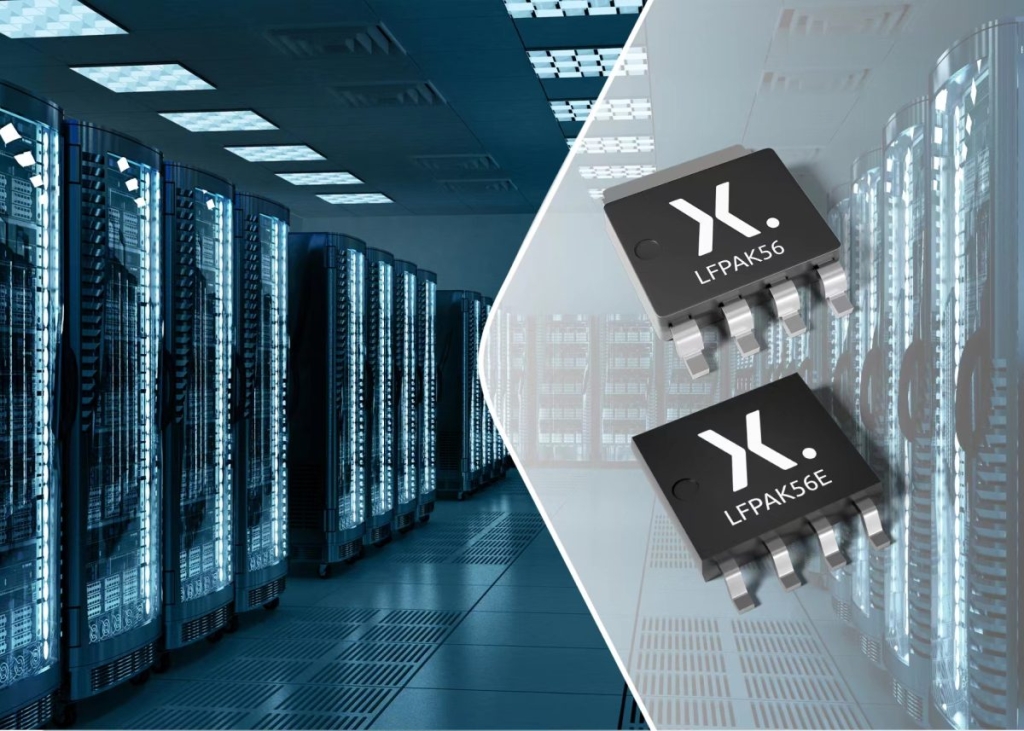
Dutch Government Backs Down on Nexperia Takeover: A Major Win for China’s Semiconductor Ambitions
In a dramatic reversal of course, the Dutch Ministry of Economic Affairs announced on Wednesday that it has suspended its controversial intervention measures against Nexperia, effectively handing control of the chipmaker back to its Chinese parent company, Wingtech Technology. This move marks a significant shift in the Netherlands’ stance on semiconductor sovereignty and global supply chain politics, with far-reaching implications for both European and Asian tech industries.
The Background: A High-Stakes Standoff
Nexperia, a Netherlands-based semiconductor manufacturer, has been at the center of a geopolitical tug-of-war for months. The company is wholly owned by Wingtech Technology, a Chinese tech giant with deep ties to Beijing’s strategic ambitions in the global semiconductor market. In a move that sent shockwaves through the industry, the Dutch government seized control of Nexperia earlier this year, citing national security concerns. The intervention was part of a broader effort by Western governments to safeguard critical technologies from potential foreign interference, particularly from China.
The Dutch government’s actions, however, triggered significant disruptions across the global semiconductor supply chain. Nexperia is a key supplier of chips used in everything from smartphones to electric vehicles, and its sudden loss of autonomy created ripple effects that manufacturers worldwide struggled to manage. The move also strained diplomatic relations between the Netherlands and China, with Beijing repeatedly voicing its objections in high-level talks with Dutch authorities.
The Reversal: Why Did the Dutch Back Down?
The decision to suspend the intervention measures comes after months of intense negotiations and mounting pressure from multiple fronts. Analysts suggest that the Dutch government faced a difficult choice: continue its hardline stance and risk further destabilizing the global chip supply chain, or back down and repair diplomatic ties with China.
The latest decision is widely seen as a pragmatic step toward easing tensions and supporting stability in the global semiconductor market. By returning control of Nexperia to Wingtech Technology, the Netherlands has effectively acknowledged the interconnected nature of the global tech ecosystem. The move also signals a potential thaw in relations between Europe and China, at a time when both sides are seeking to avoid a full-blown tech cold war.
Implications for the Semiconductor Industry
The reversal has been met with mixed reactions across the tech industry. On one hand, it is a relief for manufacturers who rely on Nexperia’s chips and were struggling to adapt to the disruptions caused by the Dutch government’s intervention. On the other hand, it raises questions about the future of semiconductor sovereignty and the West’s ability to protect its critical technologies from foreign influence.
For China, the decision is a major victory. It not only restores control of a key player in the global semiconductor market but also sends a message that Beijing’s diplomatic and economic leverage can influence Western policies. This could embolden China to push for greater access to other strategic technologies in the future.
For the Netherlands, the move is a balancing act. While it avoids further escalation with China, it also risks criticism from allies who may view the decision as a concession to Beijing. The Dutch government will likely face scrutiny over its handling of the situation and its broader strategy for safeguarding national security in the tech sector.
Global Supply Chain Stability: A Win for Everyone?
One of the most immediate benefits of the Dutch government’s decision is the potential stabilization of the global semiconductor supply chain. The industry has been grappling with shortages and disruptions for years, and the Nexperia standoff added another layer of complexity to an already fragile system. By resolving the dispute, the Netherlands has helped to restore some predictability to the market, which is crucial for manufacturers and consumers alike.
However, the long-term implications remain uncertain. The semiconductor industry is at the heart of the ongoing tech rivalry between the United States, Europe, and China. As countries race to secure their positions in this critical sector, incidents like the Nexperia standoff are likely to become more common. The challenge for governments will be to find a balance between protecting national interests and maintaining the global cooperation necessary for technological progress.
Looking Ahead: What’s Next for Nexperia and the Chip Industry?
With control of Nexperia now back in the hands of Wingtech Technology, the company is expected to resume its operations without the constraints imposed by the Dutch government. This could lead to increased production and innovation, benefiting both the Chinese tech sector and global consumers.
However, the episode has also highlighted the vulnerabilities in the global semiconductor supply chain and the need for greater resilience. Governments and industry leaders are likely to double down on efforts to diversify supply chains, invest in domestic chip production, and develop new technologies that reduce dependence on foreign suppliers.
The Nexperia case also underscores the importance of diplomacy in resolving tech-related disputes. As the world becomes increasingly interconnected, finding common ground on issues like semiconductor sovereignty will be essential for maintaining stability and fostering innovation.
Conclusion: A Turning Point for Tech Diplomacy
The Dutch government’s decision to suspend its intervention measures against Nexperia is a significant moment in the ongoing saga of global tech competition. It reflects the complex interplay of national security, economic interests, and diplomatic relations that define the modern semiconductor industry. While the move has eased immediate tensions, it also raises important questions about the future of tech sovereignty and the role of governments in shaping the industry.
As the world watches how this situation unfolds, one thing is clear: the stakes in the semiconductor race have never been higher. The Nexperia case is a reminder that in the high-tech world, every decision has far-reaching consequences, and the balance between competition and cooperation is more delicate than ever.
Tags:
Dutch government, Nexperia, Wingtech Technology, semiconductor supply chain, global tech industry, China-Netherlands relations, semiconductor sovereignty, tech diplomacy, chip manufacturing, geopolitical tech rivalry, Dutch Ministry of Economic Affairs, semiconductor shortages, tech cold war, global supply chain stability, innovation in semiconductors.
Viral Phrases:
- Dutch government backs down on Nexperia takeover
- A major win for China’s semiconductor ambitions
- The global chip supply chain in turmoil
- Nexperia’s return to Wingtech Technology
- Semiconductor sovereignty under scrutiny
- Tech diplomacy in action
- The delicate balance of global tech competition
- Nexperia case: A turning point for tech industry
- Dutch government’s pragmatic shift in semiconductor policy
- The future of semiconductor resilience and innovation
,

Leave a Reply
Want to join the discussion?Feel free to contribute!