
Memory prices may not fall until 2027, new research warns
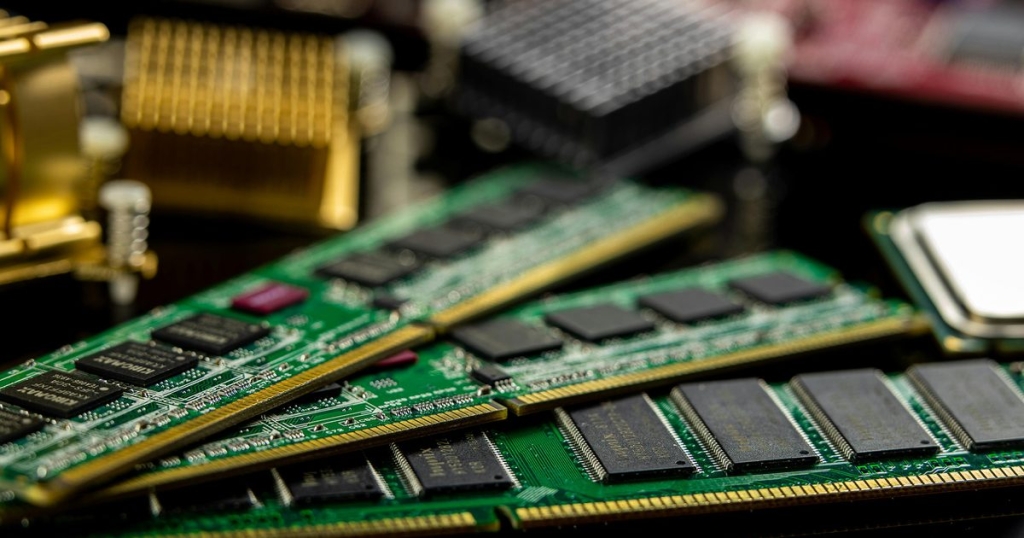
DRAM and NAND Prices Expected to Stay High Through 2027, No Relief in Sight
If you’ve been holding off on upgrading your PC’s RAM or picking up a new SSD, you might want to reconsider your timeline. A new report from Counterpoint Research paints a sobering picture: there’s “no scenario” for a meaningful price correction in memory chips during the second half of 2027. That means the current surge in DRAM and NAND prices could persist for several years, driven by insatiable demand from AI infrastructure and constrained supply chains.
The Global Memory Crunch Explained
The core issue is simple yet stubborn—demand for memory is growing much faster than supply, and the culprit is AI. Data centers building out large-scale AI systems require enormous amounts of memory, particularly high-bandwidth memory (HBM), which is consuming manufacturing capacity that would otherwise go toward consumer-grade chips used in PCs, phones, and SSDs.
Some estimates suggest AI data centers could consume around 70% of the world’s high-end DRAM by 2026. At the same time, manufacturers like Samsung, SK Hynix, and Micron are prioritizing higher-margin technologies like HBM, which are essential for AI accelerators. This shift is reducing the supply of conventional memory used in consumer electronics, pushing DRAM prices sharply higher and leading analysts to warn that volatility and price increases could persist as supply struggles to keep pace with demand.
Why Prices Aren’t Coming Down Anytime Soon
The memory market is notoriously cyclical, but this time the cycle is being supercharged by AI. Unlike previous booms driven by smartphones or PCs, the current surge is fueled by data centers that need massive amounts of specialized, high-performance memory. These facilities are being built at a breakneck pace, and they’re not just buying any memory—they’re buying the most advanced, expensive stuff available.
Manufacturers are responding by shifting production toward these high-margin products, which means less capacity for the standard DDR5 RAM and NAND flash used in everyday devices. The result? Prices for consumer memory remain elevated, and there’s no immediate relief in sight.
What This Means for Your Next Upgrade
For consumers, rising memory prices could ripple across the entire tech industry. Since DRAM and NAND are essential components in PCs, smartphones, GPUs, and storage devices, higher memory costs can quickly translate into more expensive hardware.
Analysts warn that sustained price increases could lead to double-digit price hikes for PCs and smartphones, forcing manufacturers to either raise prices or adjust specifications to protect margins. If current forecasts hold, the industry may be entering a longer AI-driven “memory supercycle,” meaning cheap RAM upgrades could remain out of reach for quite some time.
The Bottom Line
If you’re planning a PC build or upgrade, the message is clear: don’t wait for prices to drop. The memory market is being reshaped by AI, and the old patterns of supply and demand no longer apply. For now, the best strategy is to buy what you need when you can afford it—because the next big price drop might be years away.
Tags: DRAM prices 2027, NAND memory shortage, AI memory demand, HBM memory, PC upgrade costs, smartphone price increases, memory supercycle, tech industry trends, data center expansion, memory market analysis
Viral Phrases: “No relief in sight for memory prices,” “AI is eating the memory market,” “The era of cheap RAM is over,” “Data centers are hoarding high-end memory,” “Your next PC could cost 20% more,” “Memory supercycle is here to stay,” “Buy now or pay more later,” “AI boom is driving tech prices sky-high,” “Manufacturers prioritize AI over consumers,” “The memory crunch is real and lasting.”
,


Leave a Reply
Want to join the discussion?Feel free to contribute!