
HP has new incentive to stop blocking third-party ink in its printers
HP’s Firmware Update Sparks Controversy Over Sustainability Claims and Printer Lockouts
In a move that has reignited debates over corporate sustainability, consumer rights, and the right to repair, HP has once again found itself at the center of controversy. The tech giant recently rolled out a firmware update across eleven printer models, a decision that critics argue undermines its public commitment to environmental responsibility and circular economy principles.
The controversy stems from HP’s use of what it calls “Dynamic Security,” a technology embedded in its printers that detects and blocks the use of third-party or remanufactured ink cartridges. While HP maintains that this feature is designed to protect users from counterfeit products and ensure print quality, opponents argue it’s a thinly veiled attempt to monopolize the ink cartridge market and stifle competition.
This debate has gained new urgency with the introduction of the EPEAT 2.0 registry, an updated environmental rating system for electronic products. EPEAT 2.0 introduces stricter criteria for manufacturers, including requirements that they make remanufactured cartridges readily available to consumers. As of now, the registry includes 163 products, though notably, no printers are listed—highlighting the nascent stage of this initiative and the challenges in aligning printer manufacturing practices with these new standards.
The International Imaging Technology Council (Int’l ITC), a trade group representing aftermarket cartridge manufacturers, has been vocal in its criticism of HP. In a recent press release, the Int’l ITC pointed out that HP’s latest firmware update, released on January 29, 2026, appears to contradict the spirit of EPEAT 2.0. The update, which affects models like the nearly decade-old OfficeJet Pro 7720, has been accused of locking out third-party cartridges under the guise of security.
“HP’s recent behavior is emblematic of a larger pattern,” the Int’l ITC stated. “HP positions itself as a leader in sustainability, circular business models, and responsible product design, but instead of proactively aligning its products and practices with the highest environmental standards, such as EPEAT 2.0, HP puts profits first and waits until external scrutiny or the threat of non-compliance forces change.”
Tricia Judge, the Int’l ITC’s executive director and general counsel, elaborated on the group’s stance in an email exchange with Ars Technica. She emphasized that HP is unique among printer manufacturers in its use of lockout chips triggered by firmware updates. “HP is the only one with lockout chips that are triggered using firmware ‘upgrades’ that claim ‘security’ as a justification for their existence,” Judge explained. “HP is the only one that misleads and frustrates its own customers when locking out the environmentally superior competition.”
This isn’t the first time HP has faced backlash over its cartridge policies. In 2023, the Int’l ITC wrote to the Green Electronics Council (GEC), the organization behind EPEAT, requesting the revocation of at least 101 HP printers from the original EPEAT registry. The request was denied, but it highlighted the ongoing tension between HP’s practices and environmental standards.
Judge noted that EPEAT 1.0, the previous version of the registry, had minimal requirements regarding third-party cartridges. HP exploited a loophole by making vague statements about not interfering with remanufactured cartridges, buried in marketing materials or on its website. “We were trying to close that loophole with EPEAT 2.0,” Judge said. “We didn’t get it as airtight as we hoped, but it is better.”
The timing of HP’s firmware update—coming after the launch of the EPEAT 2.0 registry—has only fueled suspicions that the company is prioritizing profit over sustainability. By locking out third-party cartridges, HP not only limits consumer choice but also undermines efforts to promote a circular economy, where products are reused and recycled to minimize waste.
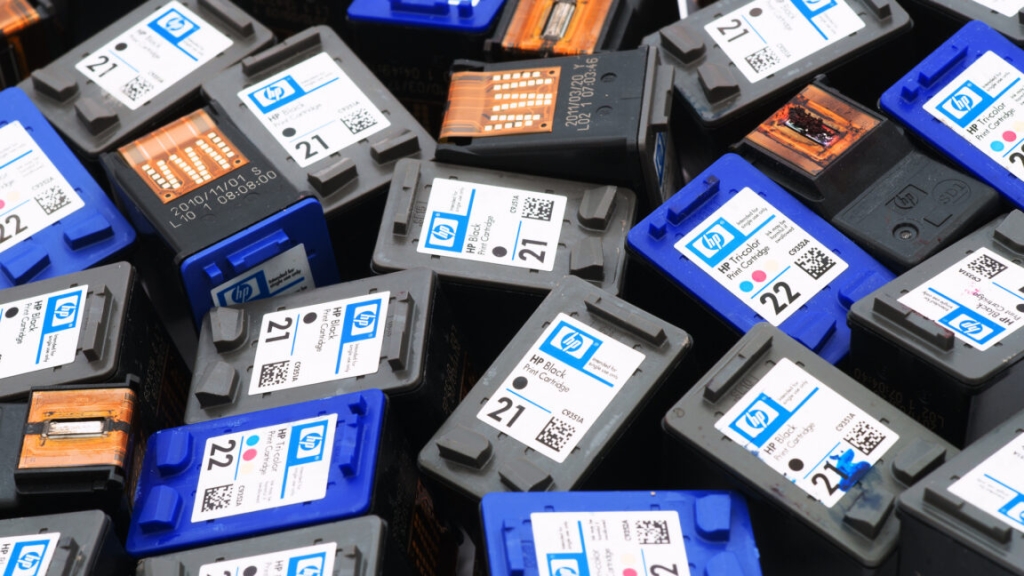
Critics argue that HP’s actions are particularly egregious given the environmental impact of single-use cartridges. Remanufactured cartridges, which are refurbished and refilled, offer a more sustainable alternative by reducing the need for new plastic and raw materials. By blocking these cartridges, HP is effectively discouraging environmentally friendly practices.
The debate over HP’s practices also touches on broader issues of the right to repair and consumer autonomy. Many users feel that they should have the freedom to choose where they source their printer supplies, especially when third-party options are often more affordable. HP’s firmware updates, which can render printers unusable with non-HP cartridges, have been described as a form of digital rights management that unfairly restricts consumer choice.
As of now, HP has not responded to requests for comment on the matter. However, the company’s silence has done little to quell the growing criticism. With the EPEAT 2.0 registry still in its early stages, it remains to be seen how HP and other printer manufacturers will adapt to the new standards—or whether they will continue to prioritize profit over sustainability.
The controversy surrounding HP’s firmware update is a stark reminder of the challenges in balancing corporate interests with environmental responsibility. As consumers become increasingly aware of the environmental impact of their purchases, companies like HP may find themselves under greater pressure to align their practices with their sustainability claims. For now, the debate over printer cartridges is just one front in the broader battle for a more sustainable and equitable tech industry.
Tags:
HP, firmware update, Dynamic Security, EPEAT 2.0, sustainability, circular economy, third-party cartridges, remanufactured cartridges, right to repair, environmental standards, International Imaging Technology Council, Green Electronics Council, printer lockout, consumer rights, corporate responsibility.
Viral Sentences:
- “HP’s firmware update is a betrayal of its sustainability promises.”
- “Locking out third-party cartridges? HP is putting profits over the planet.”
- “EPEAT 2.0 is here, but HP’s actions scream ‘business as usual.’”
- “Why is HP the only printer maker using ‘security’ as an excuse to block competition?”
- “The right to repair is under attack, and HP’s firmware is the latest weapon.”
- “HP’s silence speaks volumes—are they hiding something?”
- “Remanufactured cartridges are the future, but HP wants to keep us in the past.”
- “EPEAT 2.0 was supposed to be a game-changer, but HP’s update just changed the game back.”
- “HP’s ‘Dynamic Security’ is anything but dynamic—it’s a dead end for sustainability.”
- “The battle for a circular economy just got a new opponent: HP’s firmware.”
,

Leave a Reply
Want to join the discussion?Feel free to contribute!