
The Will Smith Sci-Fi Movie That Lost Potential Military Backing Over One Story Detail
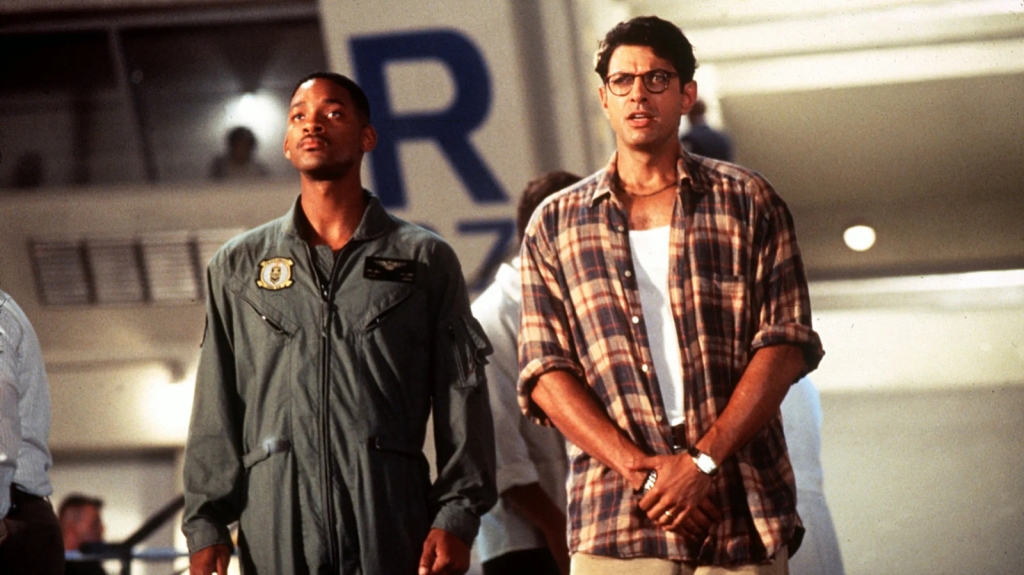
Exclusive: How Will Smith’s Independence Day Almost Lost Military Support Over One Controversial Plot Detail
When Roland Emmerich’s 1996 sci-fi blockbuster Independence Day exploded onto screens, audiences were captivated by its spectacular alien invasion narrative, star-studded cast, and groundbreaking visual effects. Yet behind the scenes, a fascinating behind-the-scenes battle was brewing that could have dramatically altered one of the film’s most crucial plot elements—and potentially changed its entire trajectory.
The $817 Million Blockbuster That Almost Never Was
Independence Day wasn’t just another summer movie; it became a cultural phenomenon, grossing an astounding $817 million worldwide against a modest $75 million budget. The film featured Will Smith at the height of his powers, alongside Jeff Goldblum, Bill Pullman, and Mary McDonnell, delivering exactly the kind of disaster spectacle that audiences craved in the mid-1990s. It even claimed the coveted title of highest-grossing film of 1996, outpacing formidable competition including Scream, The Rock, and Jerry Maguire.
But what many fans don’t realize is that the U.S. military initially planned to provide substantial support to the production—until one pivotal plot point became a dealbreaker.
The Area 51 Controversy That Almost Changed Everything
Approximately halfway through the film, audiences are introduced to Area 51, the highly classified United States Air Force facility that has long been the subject of conspiracy theories and UFO speculation. This revelation occurs when Will Smith’s character, Captain Steven Hiller, transports an alien creature to the base after surviving a near-fatal aerial battle.
In 1996, the existence of Area 51 hadn’t yet been officially acknowledged by the U.S. government. This created a fascinating dilemma for the filmmakers and the military alike.
According to Emmerich and co-writer Dean Devlin’s DVD commentary (via Cinemablend), the Pentagon was prepared to provide the production with authentic military costumes, aircraft, and equipment. However, there was one non-negotiable condition: the script would need to remove all references to Area 51.
Devlin revealed the military’s ultimatum: “The United States military was going to support this and supply us with a lot of costumes and airplanes and stuff. Their one demand was that we remove Area 51 from the film, and we didn’t want to do that. So they withdrew their support.”
Why Area 51 Was Essential to the Story
The filmmakers’ decision to keep Area 51 in the script wasn’t merely stubbornness—it was a creative necessity. Emmerich explained in the DVD commentary that the inclusion of Area 51 served as one of the film’s most crucial narrative twists.
“This is probably one of the biggest twists of the movie,” Emmerich stated. “In the middle of the movie, all of a sudden, you come up with Area 51. There’s this mythology about this place where they keep spaceships. For Dean and I, it was the most important part because it ties together this mythology that people believe in to the movie. So it feels more real.”
The Area 51 subplot did more than just advance the plot—it tapped into the zeitgeist of 1990s conspiracy culture. Just three years earlier, The X-Files had premiered, turning government conspiracies and extraterrestrial theories into mainstream entertainment. By incorporating Area 51, Independence Day built upon this cultural momentum, lending the story an air of authenticity that resonated with audiences.
The Risk That Paid Off Spectacularly
Without Area 51, Independence Day would have lost much of its narrative cohesion and cultural relevance. The facility served as the linchpin that connected the film’s various story threads, providing a credible explanation for how humanity could mount an effective defense against a technologically superior alien force.
The filmmakers’ decision to stand firm ultimately proved prescient. Independence Day not only dominated the box office but also earned the Academy Award for Best Visual Effects in 1997. While critical reception was mixed—Roger Ebert awarded it two and a half stars out of four—audiences embraced the film wholeheartedly, turning it into the definitive alien invasion movie of its era.
A Legacy That Endures
Looking back, it’s clear that Emmerich and Devlin made the right call. Their commitment to creative integrity over military cooperation resulted in a film that has endured for nearly three decades. The Area 51 subplot has since become one of the most memorable elements of the film, inspiring countless discussions, conspiracy theories, and even influencing how subsequent alien invasion films approached similar themes.
Interestingly, the controversy surrounding Area 51 in Independence Day foreshadowed later real-world events. In 2019, a viral Facebook event jokingly called for people to “storm Area 51” to “see them aliens,” attracting millions of interested participants before being largely abandoned as a joke.
The film’s success also helped cement Will Smith’s status as a bankable action star and launched a franchise that, despite a belated 2016 sequel, never quite recaptured the magic of the original.
What This Means for Modern Filmmaking
The Independence Day Area 51 controversy raises fascinating questions about creative freedom versus institutional cooperation in filmmaking. In an era where military cooperation can provide filmmakers with unprecedented access to equipment and expertise, the story serves as a reminder that sometimes the most compelling narratives require taking creative risks.
For aspiring filmmakers and screenwriters, the lesson is clear: sometimes the elements that seem most controversial or risky are precisely what make a story resonate with audiences. Emmerich and Devlin’s willingness to potentially sacrifice military support for narrative integrity ultimately paid dividends that far exceeded what official cooperation might have provided.
The next time you watch Independence Day, pay special attention to those Area 51 scenes. They represent not just a plot point, but a pivotal moment when filmmakers chose artistic vision over institutional approval—a decision that helped create one of the most beloved sci-fi blockbusters of all time.
Tags & Viral Phrases:
- Will Smith Independence Day
- Area 51 movie controversy
- Roland Emmerich Area 51
- Military support withdrawn Independence Day
- UFO conspiracy movies
- Best alien invasion films
- 1990s sci-fi blockbusters
- Independence Day box office records
- Area 51 government secrets
- Hollywood military cooperation
- Will Smith Captain Hiller
- Dean Devlin screenwriting
- Academy Award visual effects
- 1996 summer movies
- Area 51 storming 2019
- The X-Files alien conspiracy
- Disney+ X-Files reboot
- Ryan Coogler new projects
- Roger Ebert Independence Day review
- Blockbuster filmmaking decisions
- Creative integrity in Hollywood
- Military equipment in movies
- Sci-fi movie plot twists
- Area 51 mythology
- UFO government coverups
- Will Smith action star
- Independence Day sequel 2016
- 1990s conspiracy culture
- Movie production behind-the-scenes
- Area 51 existence acknowledged
- Hollywood risk-taking
- Box office success stories
- Visual effects Oscar winners
- Summer movie phenomenon
- Alien invasion movie tropes
- Film production challenges
- Creative vision versus compromise
- 1990s pop culture
- Movie trivia and facts
- Hollywood history
- Film industry secrets
- Blockbuster filmmaking
- Movie production stories
- Behind the scenes Hollywood
- Film controversy
- Movie making decisions
- Creative choices in cinema
- Hollywood compromises
- Film production battles
- Movie industry insights
- Cinematic storytelling
- Film narrative techniques
- Blockbuster secrets
- Movie production drama
- Hollywood creative freedom
- Film industry politics
- Movie making challenges
- Cinematic risks
- Film production negotiations
- Hollywood power dynamics
- Movie industry battles
- Film creative control
- Cinematic decision-making
- Movie production philosophy
- Hollywood artistic vision
- Film industry compromise
- Movie making integrity
- Cinematic authenticity
- Film production values
- Hollywood storytelling
- Movie industry ethics
- Film creative process
- Cinematic vision
- Movie production principles
- Hollywood artistic choices
- Film industry standards
- Movie making philosophy
- Cinematic integrity
- Film production ethics
- Hollywood creative process
- Movie industry values
- Film creative decisions
- Cinematic principles
- Movie production standards
- Hollywood artistic integrity
- Film industry philosophy
- Movie making ethics
- Cinematic values
- Film production principles
- Hollywood creative standards
- Movie industry integrity
- Film creative vision
- Cinematic authenticity
- Movie production philosophy
- Hollywood artistic values
,


Leave a Reply
Want to join the discussion?Feel free to contribute!