
How to Stay Safe at a Protest – Physically and Digitally
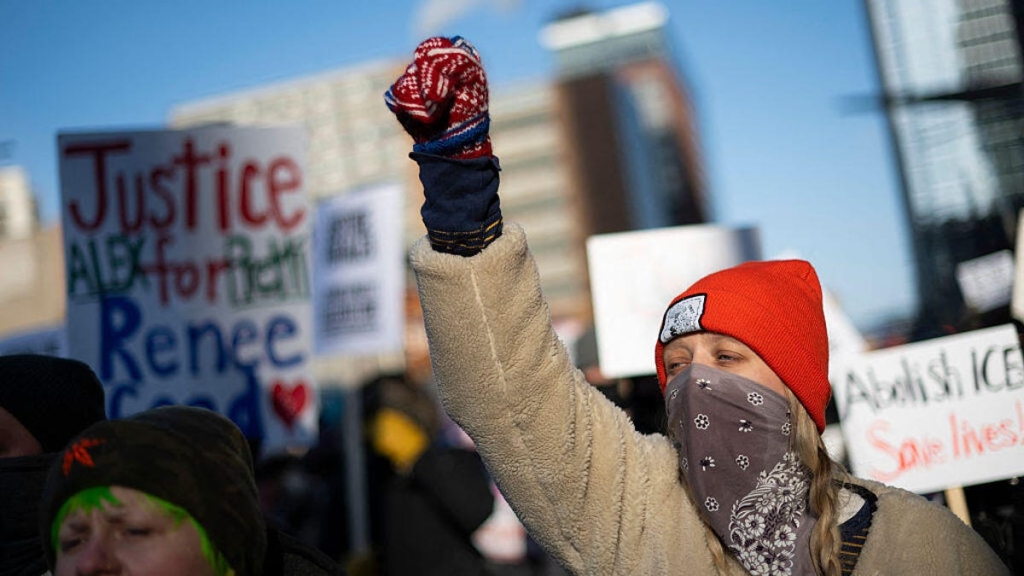
Tech-Savvy Protest Safety: Essential Tips for Modern Activism
As demonstrations continue across the United States addressing critical issues from racial injustice to immigration policies, protesters face unique challenges in the digital age. While activism remains a cornerstone of democratic change, modern demonstrators must navigate both physical risks and digital vulnerabilities.
Digital Security: Your Phone as a Double-Edged Sword
Your smartphone can be your greatest ally or your biggest liability at a protest. Law enforcement agencies have increasingly sophisticated tools for digital surveillance, making mobile security paramount.
Essential Phone Precautions:
-
Disable location services completely before arriving. Your phone’s GPS, Wi-Fi, and Bluetooth can all be used to track your movements. Consider turning on airplane mode when not actively documenting events.
-
Remove sensitive data before attending. Back up photos and messages, then remove them from your device. If arrested, police can access your phone’s contents.
-
Use encrypted messaging apps like Signal or WhatsApp for communication. These provide end-to-end encryption that protects your conversations from interception.
-
Consider a “burner phone” – a cheap, prepaid device used exclusively for protests. This isolates your personal information from potential confiscation or surveillance.
-
Disable biometric unlocks (fingerprint/face ID). Police cannot legally compel you to provide a passcode, but courts have ruled biometric access is not protected the same way.
Tech Gear for Protest Safety
Modern protesters are leveraging technology for protection:
-
Body cameras and GoPros provide crucial documentation of events. Position cameras to capture both your perspective and the broader scene.
-
Portable power banks ensure your devices stay operational throughout the demonstration.
-
Smartwatches can maintain emergency communication while keeping your phone secure.
-
Weather-resistant tech bags protect your gear while allowing quick access when needed.
Digital Documentation Best Practices
If you’re documenting protests:
-
Metadata matters. Photos contain location data and timestamps. Use apps that strip metadata before sharing.
-
Cloud backup with caution. While backing up footage is important, ensure your cloud storage doesn’t reveal protest participation to unintended audiences.
-
Live streaming considerations. Platforms can be taken down or censored. Have multiple backup methods for sharing critical footage.
Social Media Strategy
Your online presence extends your physical presence:
-
Review privacy settings on all social platforms before attending.
-
Create separate protest accounts if you’re concerned about professional or personal repercussions.
-
Use VPNs to mask your location when posting or researching protest information.
-
Consider the timing of your posts. Immediate posting can compromise safety; strategic delayed sharing might be wiser.
Health Tech Considerations
COVID-19 and other health concerns remain relevant:
-
Air quality apps can alert you to tear gas or smoke in your area.
-
Health monitoring devices can track your vital signs if you’re in stressful situations.
-
Contact tracing precautions – be aware that protest attendance could affect your COVID exposure notifications.
Legal Tech Resources
Knowledge is power:
-
Save legal aid numbers in your phone and written down. Organizations like the National Lawyers Guild offer protest-specific legal support.
-
Document interactions with authorities using your phone’s voice recording features (where legal).
-
Know your digital rights. The ACLU provides resources on protest rights in the digital age.
Emergency Tech Planning
Prepare for worst-case scenarios:
-
Establish a digital check-in system with friends or family using coded messages or predetermined check-in times.
-
Share your location with trusted contacts before arriving, but disable it during the protest.
-
Create a “rescue me” message that can be sent quickly if you’re detained.
The Future of Protest Tech
Emerging technologies are changing activism:
-
Mesh networks allow communication even when traditional networks are jammed.
-
Blockchain documentation provides tamper-proof evidence of events.
-
AI-powered threat detection can help identify potential dangers in real-time.
Remember: Technology should enhance your safety, not compromise it. The most important tool is your judgment. If a situation feels unsafe, trust your instincts and remove yourself from danger.
Tags: protest safety tips, digital security, tech for activism, protest preparation, phone security at protests, encrypted messaging, body cameras, social media strategy, health precautions, legal rights, emergency planning, future of protest technology, digital documentation, privacy protection, burner phones, VPNs, contact tracing, air quality monitoring, legal aid resources, mesh networks, blockchain evidence, AI threat detection
Viral Phrases: “Your phone can be your greatest ally or your biggest liability,” “Modern protesters are tech-savvy activists,” “Digital security is physical safety,” “Document everything, but protect yourself first,” “Technology should enhance your safety, not compromise it,” “Knowledge is power in the digital age,” “Trust your instincts over your apps,” “Preparation is your best protection,” “Your digital footprint can follow you home,” “Smart tech for smart activism,” “Privacy settings can be your shield,” “The future of protest is digital,” “Stay connected, stay protected,” “Tech tools for modern movements,” “Digital rights are human rights.”
,


Leave a Reply
Want to join the discussion?Feel free to contribute!