
Apple’s First Foldable Displays Nearing Mass Production
Apple’s First Foldable iPhone Display Nears Mass Production, May Debut in 2026
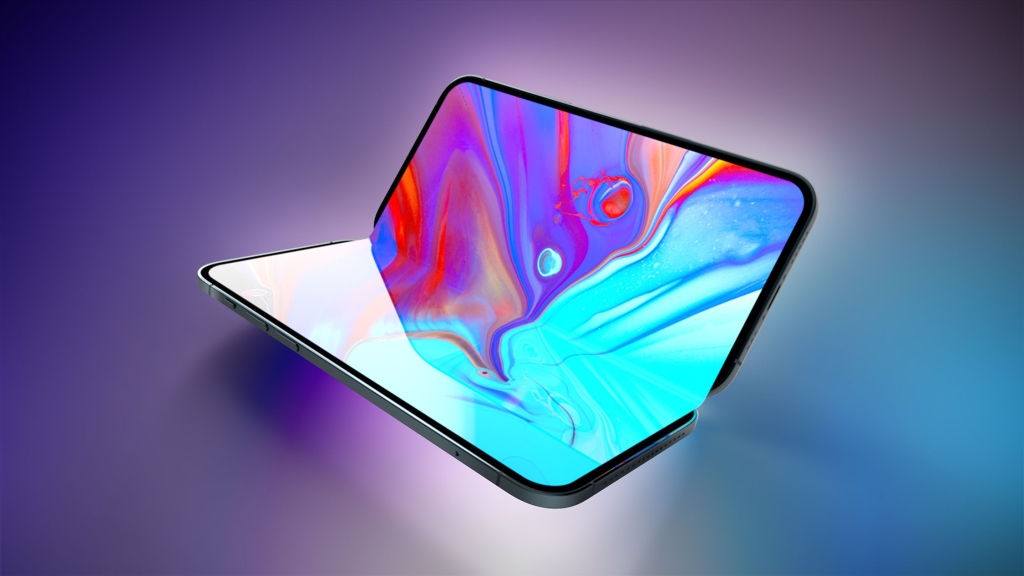
In a major breakthrough for mobile technology, Apple’s highly anticipated foldable iPhone is edging closer to reality, with Samsung Display reportedly set to begin mass production of its revolutionary OLED panels as early as May 2026. This development marks a pivotal moment in the smartphone industry, as Apple prepares to enter the foldable market with what could be the most refined and sophisticated folding device ever created.
The Technology Behind Apple’s Foldable Revolution
According to reliable industry sources, including the well-connected Weibo leaker “Instant Digital,” Samsung Display has achieved a technological milestone that could redefine foldable smartphone expectations. The OLED panels destined for Apple’s first foldable iPhone are being described as “virtually crease-free” and potentially featuring “no crease at all” – a claim that has sent ripples through the tech community.
The engineering achievement appears to center around a completely new display technology that Apple has been developing in secret for years. Previous reports from Bloomberg’s Mark Gurman suggest that while the new technology significantly reduces the crease compared to existing foldable devices, it doesn’t eliminate it entirely. However, Gurman notes that the result is “not perfect” in a way that suggests Apple has achieved something remarkably close to flawless.
Solving the Crease Problem
One of the most persistent criticisms of current foldable smartphones has been the visible crease that forms along the fold line after repeated use. This crease not only affects the aesthetic appeal of the device but can also impact the user experience during certain tasks. Apple appears to have addressed this fundamental challenge through a combination of innovative materials science and engineering.
The Weibo user “Fixed Focus Digital” has claimed that Apple’s foldable iPhone may feature a flatter screen than many existing foldable devices on the market. This suggests that Apple has successfully minimized or potentially eliminated the crease that has plagued earlier foldable implementations from competitors like Samsung and Huawei.
Specifications and Features
Rumors circulating in the tech community paint an exciting picture of what Apple’s first foldable iPhone might offer. The device is expected to feature a 7.8-inch crease-free inner display when unfolded, providing users with a tablet-like experience in a pocketable form factor. When closed, a 5.5-inch cover display will allow for quick interactions without the need to unfold the device.
Security features are also expected to see significant upgrades, with Touch ID making a return in what many analysts believe will be a side-mounted fingerprint sensor. This approach would allow users to unlock their device or authenticate payments without unfolding the phone, maintaining the convenience that Apple users have come to expect.
The camera system is rumored to include two rear cameras, though details about their specific capabilities remain scarce. Given Apple’s track record of camera innovation, expectations are high for photographic performance that could rival or exceed that of the current iPhone lineup.
Under the hood, the device is expected to be powered by Apple’s next-generation A20 chip, paired with the company’s proprietary “C2” modem. This combination should deliver performance that not only matches but potentially exceeds that of Apple’s current flagship devices.
Timeline and Market Impact
Production timelines suggest that Apple is targeting a fall 2026 launch, which would see the foldable iPhone debut alongside the iPhone 18 Pro and iPhone 18 Pro Max. This strategic timing would allow Apple to capture maximum attention during its traditional fall product launch season while giving the company additional time to perfect the foldable technology.
The timing also positions Apple to enter the foldable market at a moment when consumer interest in these devices is growing but still represents a relatively small portion of overall smartphone sales. By waiting until the technology has matured and then introducing what appears to be a superior implementation, Apple could potentially accelerate adoption of foldable devices across the entire industry.
Industry Implications
Apple’s entry into the foldable market represents a significant validation of the form factor and could signal a major shift in smartphone design philosophy. While Samsung has been producing foldable devices for several years, Apple’s involvement brings with it the potential for mass-market adoption and the kind of premium positioning that could transform foldables from niche products into mainstream devices.
The involvement of Samsung Display in producing the OLED panels also highlights the complex relationships within the tech industry, where competitors in one area often collaborate in others. Samsung’s ability to supply cutting-edge display technology to Apple demonstrates the South Korean company’s leadership in display manufacturing while also potentially giving it insights into Apple’s future plans.
Consumer Expectations
For consumers, the prospect of an Apple-branded foldable iPhone represents the culmination of years of speculation and anticipation. The combination of Apple’s design philosophy, iOS optimization, and what appears to be breakthrough display technology has created enormous excitement among tech enthusiasts and everyday users alike.
The potential for a device that combines the portability of a smartphone with the productivity benefits of a tablet could appeal to a wide range of users, from creative professionals to business executives to casual consumers looking for the latest technology. If Apple can deliver on the promise of a crease-free experience, it could justify premium pricing and establish a new category of premium mobile devices.
Technical Challenges Overcome
The development of a crease-free foldable display represents a significant engineering achievement that likely required solving numerous technical challenges. These would have included developing new materials that can withstand thousands of fold cycles without degradation, creating hinges that are both durable and nearly invisible, and optimizing software to handle the transition between folded and unfolded states seamlessly.
Apple’s approach appears to focus on minimizing user awareness of the fold line rather than simply making it less visible. This suggests a holistic approach to the problem that considers not just the physical display but also how users interact with content across the fold.
The Future of Mobile Computing
As Apple prepares to launch its first foldable iPhone, the broader implications for mobile computing become clear. The ability to carry a device that transforms from a pocketable smartphone into a tablet-sized screen could fundamentally change how people work, create, and consume content on the go.
This transformation extends beyond just the physical device to how software is designed and how users interact with their technology. iOS would need to be optimized to handle the unique challenges of a folding display, potentially leading to new interface paradigms and interaction models that could influence the entire mobile ecosystem.
Market Readiness
The timing of Apple’s foldable iPhone debut appears carefully considered, coming at a moment when 5G networks are mature, processors are powerful enough to handle complex tasks, and consumers are increasingly comfortable with premium-priced devices. The convergence of these factors creates an ideal environment for the introduction of a revolutionary new product category.
Furthermore, Apple’s massive installed base of iPhone users provides a ready market for upgrades, while the company’s strong brand reputation for quality and innovation could help overcome any lingering skepticism about foldable technology.
Conclusion
As mass production of the OLED panels for Apple’s first foldable iPhone nears, the tech world watches with bated breath. The combination of Samsung’s manufacturing expertise, Apple’s design and software capabilities, and years of engineering refinement suggests that this could be the device that finally makes foldable smartphones a mainstream success.
With a potential fall 2026 launch on the horizon, consumers and industry watchers alike will be eager to see whether Apple can deliver on the promise of a truly crease-free foldable experience. If successful, this device could not only transform Apple’s product lineup but also reshape the entire smartphone industry for years to come.
Tags: #Apple #FoldableiPhone #SamsungDisplay #OLED #Technology #Innovation #Smartphone #iOS #iPhone18 #MobileComputing #TechNews #2026Launch #DisplayTechnology #CreaseFree #MobileRevolution
Viral Phrases:
- “The crease-free revolution is coming”
- “Apple’s foldable iPhone could change everything”
- “Samsung Display’s secret weapon for Apple”
- “2026: The year foldables go mainstream”
- “Apple solves the crease problem”
- “The device that transforms from pocket to tablet”
- “Next-level iOS optimization for folding displays”
- “A20 chip meets foldable innovation”
- “Touch ID returns in revolutionary form”
- “The hinge that disappears”
- “7.8 inches of crease-free magic”
- “Apple’s answer to the foldable question”
- “When iPhone meets iPad in your pocket”
- “The future of mobile is folding”
- “Mass production begins: The countdown starts now”
- “Apple’s secret weapon against Samsung”
- “The device that makes foldables desirable”
- “Revolutionary display technology coming soon”
- “The hinge that changed everything”
- “From speculation to reality: Apple’s foldable journey”
- “The device that makes you question everything”
- “Apple’s boldest iPhone move yet”
- “The foldable that finally works”
- “The device that makes Samsung nervous”
- “The hinge that doesn’t exist”
- “The display that defies physics”
- “The device that makes tablets obsolete”
- “The iPhone that unfolds the future”
- “The device that makes you want to fold”
- “The screen that bends but never breaks”
- “The device that makes you say ‘wow'”
- “The iPhone that thinks it’s an iPad”
- “The device that makes you rethink everything”
- “The screen that makes creases history”
- “The device that makes you want to fold again”
- “The iPhone that unfolds possibilities”
- “The device that makes you say ‘finally'”
- “The screen that makes you believe in magic”
- “The device that makes you want to unfold your wallet”
- “The iPhone that unfolds the future of mobile”
- “The device that makes you question reality”
- “The screen that makes you forget it’s folding”
- “The device that makes you want to fold and unfold”
- “The iPhone that unfolds a new era”
- “The device that makes you say ‘this changes everything'”
- “The screen that makes you believe in miracles”
- “The device that makes you want to fold your expectations”
- “The iPhone that unfolds the impossible”
- “The device that makes you say ‘Apple did it again'”
- “The screen that makes you forget about creases”
- “The device that makes you want to fold your doubts”
- “The iPhone that unfolds the future of technology”
,

Leave a Reply
Want to join the discussion?Feel free to contribute!