
Doubling the voltage: What 800 V architecture really changes in EVs
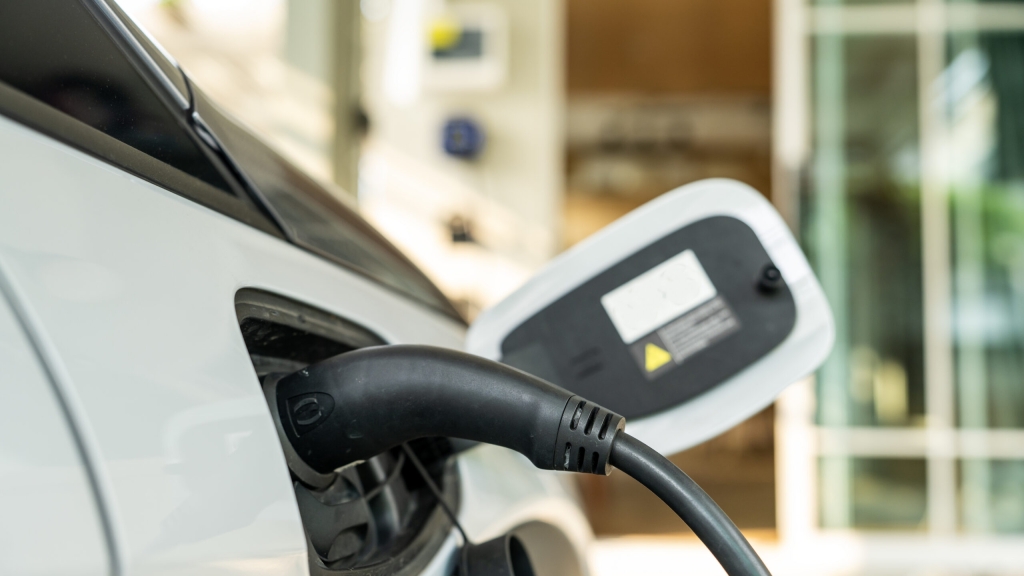
The EV Voltage Wars: Why 800V Is Charging Ahead—But 400V Isn’t Dead Yet
In the high-stakes world of electric vehicles, voltage isn’t just a technical spec—it’s the battleground where the future of fast charging, performance, and efficiency is being decided. For years, 400V has been the industry standard, quietly powering everything from Tesla’s Model Y to Ford’s Mustang Mach-E. But now, 800V architectures are surging onto the scene, promising blistering charging speeds and lighter, more efficient drivetrains. So, is 800V the inevitable future of EVs, or is this just another tech fad that’ll fizzle out? Let’s plug in and find out.
The 800V Advantage: More Power, Less Heat
At its core, the appeal of 800V is simple physics. Double the voltage, halve the current for the same power. That means less heat, thinner cables, and more efficient power delivery. It’s why Porsche’s Taycan can slurp electrons at up to 270 kW, and why Hyundai’s E-GMP platform is turning heads. The real magic happens at the charger: with 800V, you can push way more power through the same connectors without melting anything. For drivers who live life in the fast lane (or just hate waiting), that’s a game-changer.
But here’s the kicker: 800V isn’t just about bragging rights. It’s about enabling the next generation of EVs—ones that can charge in minutes, not hours, and deliver jaw-dropping performance without turning into a space heater. Silicon-carbide (SiC) power electronics are the unsung heroes here, slashing switching losses and making 800V systems more efficient than ever. As these components scale up, costs are plummeting—Leapenergy projects that the 800V premium could shrink from $1,180 today to just $420 by 2028. That’s not chump change, but in the premium EV world, it’s a price many are willing to pay.
The Market Reality: Premium Now, Mainstream Later
Despite the hype, 800V isn’t about to take over the EV world overnight. Industry forecasts show it’ll stay concentrated in higher-end models for the foreseeable future. By 2030, maybe 15-20% of global EVs will rock 800V, but in the premium segment—think $60,000+ sticker prices—that number could soar past 50%. China, as always, is moving even faster: some projections peg 800V adoption there at a whopping 35% by decade’s end, thanks to a hyper-competitive EV market and aggressive investment in charging infrastructure.
So, who’s leading the charge? Look to brands like Porsche, Lucid Motors, and Hyundai Motor Group, whose 800V platforms are already turning heads. But don’t count out the 400V stalwarts just yet. Tesla’s Model Y and Ford’s Mustang Mach-E continue to dominate sales with optimized 400V systems that deliver more than enough performance for most drivers. After all, with most EV charging still happening at home or at modest public chargers, the average driver may never notice the difference.
400V vs. 800V: The Verdict
Here’s the bottom line: 800V is the future, but it’s not a revolution—it’s an evolution. For performance junkies and road-trip warriors, the benefits are real: faster charging, lighter weight, and cooler running. But for the rest of us, 400V is still more than enough. It’s simpler, cheaper, and battle-tested. The first wave of modern EVs was built on 400V, and it’s got plenty of life left.
So, is 800V worth the hype? If you’re buying a premium EV and want the absolute best, absolutely. But if you’re just looking for a reliable, efficient ride, don’t sweat the voltage. The EV world is big enough for both—at least for now.
Tags: 800V EVs, EV charging, electric vehicle technology, 400V vs 800V, fast charging, Porsche Taycan, Hyundai E-GMP, Lucid Motors, silicon carbide, EV efficiency, EV market trends, premium EVs, EV adoption, EV future, EV charging speed, EV performance, EV infrastructure, EV costs, EV evolution, EV revolution
Viral Phrases: “800V is charging ahead,” “voltage wars,” “the EV battleground,” “faster charging, lighter weight, cooler running,” “the premium EV price of progress,” “400V isn’t dead yet,” “the unsung heroes of SiC,” “China’s hyper-competitive EV market,” “the first wave of modern EVs,” “don’t sweat the voltage,” “battle-tested 400V,” “the absolute best in EVs,” “EVs that can charge in minutes, not hours,” “turning heads with 800V,” “the EV world is big enough for both.”
,

Leave a Reply
Want to join the discussion?Feel free to contribute!