
This Subtle Dietary Shift Led to 330 Fewer Daily Calories Without Eating Less
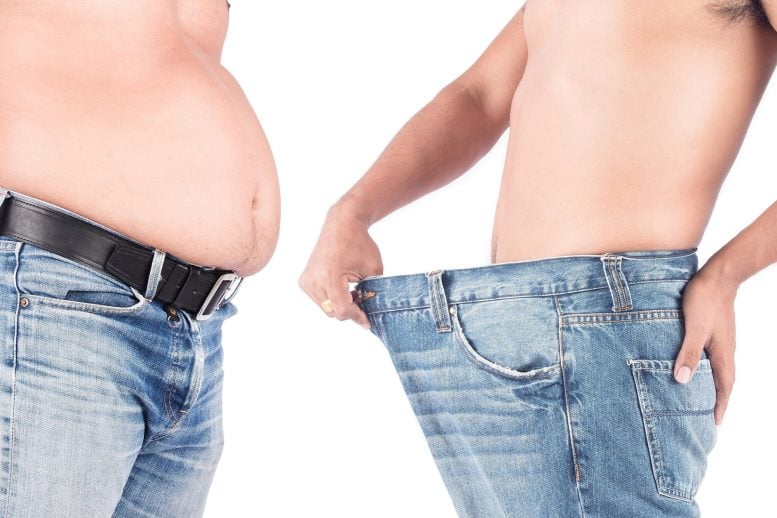
A new study suggests that eating unprocessed foods may activate a natural nutritional instinct. Swapping ultra-processed foods for meals made entirely from unprocessed ingredients may change what you put on your plate in a surprisingly consistent way. Instead of gravitating toward the most calorie-dense items available, people tend to fill up on fruits and vegetables, whole grains, and lean proteins—without even trying to eat less.
Researchers at the University of Aberdeen, in collaboration with international nutrition scientists, conducted a tightly controlled experiment to see how the type of food people eat influences their overall calorie intake. Participants lived in a research facility for four weeks, during which their meals were carefully prepared and measured. For two weeks, they ate a diet made entirely of ultra-processed foods—think packaged snacks, instant noodles, sugary cereals, and ready-made meals. For the other two weeks, they ate only minimally processed foods, such as fresh vegetables, whole fruits, unprocessed meats, legumes, and whole grains, all prepared from scratch.
The results were striking. Even though both diets were designed to taste equally good and be equally filling, participants consumed about 330 fewer calories per day on the unprocessed food diet. That’s roughly the equivalent of skipping a small fast-food burger or a large slice of pizza—every single day—without any conscious effort to cut back. Over time, this difference could lead to significant weight loss, improved metabolic health, and a lower risk of chronic diseases like type 2 diabetes and heart disease.
What’s even more interesting is that people didn’t report feeling hungrier or less satisfied on the unprocessed diet. In fact, many said they felt more energetic and less sluggish. The researchers believe this is because whole foods are naturally more filling due to their higher fiber and water content, and because they trigger better appetite regulation in the brain.
Dr. Alexandra Johnstone, the study’s lead author, explained that ultra-processed foods are engineered to be hyper-palatable—loaded with added sugars, unhealthy fats, and salt, and designed to override our natural hunger cues. In contrast, unprocessed foods seem to “reset” our appetite control systems, helping us eat in line with our body’s actual energy needs.
The study also found that people on the unprocessed diet ate more slowly and chewed their food more thoroughly, which may have contributed to feeling full sooner. Social media has already lit up with reactions, with many users sharing their own experiences of feeling better and losing weight after cutting out processed foods.
Nutrition experts not involved in the study say the findings reinforce what many have suspected for years: that the quality of the food we eat matters just as much as the quantity. “This isn’t about counting calories or going on a restrictive diet,” said Dr. Kevin Hall, a nutrition researcher at the National Institutes of Health. “It’s about choosing foods that work with your body, not against it.”
The implications are huge. If a simple swap from processed to unprocessed foods can lead to such a consistent reduction in calorie intake, it could be a game-changer for public health. Obesity and diet-related diseases are at epidemic levels worldwide, and most dietary advice focuses on eating less or cutting out entire food groups. This study suggests that just choosing whole, minimally processed foods could be a more sustainable and enjoyable path to better health.
Of course, the researchers caution that more studies are needed to see if these effects hold up in real-world settings, where people have more freedom to choose what they eat. But the initial results are promising—and empowering. It turns out, you don’t have to eat less to eat better. You just have to eat differently.
As the evidence mounts, one thing is clear: the path to a healthier weight and a healthier life might be as simple as reaching for an apple instead of a bag of chips, or cooking a meal from scratch instead of microwaving a frozen dinner. Sometimes, the smallest changes make the biggest difference.
Tags & Viral Phrases:
UnprocessedFoods #HealthyEating #CalorieControl #NutritionScience #WeightLossHacks #EatClean #WholeFoods #FoodAsMedicine #DietTips #HealthyLifestyle #ScienceOfEating #MetabolismBoost #FoodSwap #EatSmart #HealthResearch #NutritionFacts #HealthyHabits #EatRealFood #FoodForThought #HealthyLiving #NutritionTips #ScienceNews #HealthyChoices #EatWellLiveWell #FoodScience #HealthHacks #NutritionResearch #HealthyEatingTips #ScienceSays #FoodTrends #HealthyMindHealthyBody #EatSmartLiveBetter #NutritionWins #FoodRevolution #HealthyEatingMadeEasy #ScienceBacked #FoodIsFuel #HealthyLivingTips #NutritionMatters #EatForHealth #ScienceOfNutrition #FoodForFuel #HealthyEatingJourney #NutritionScience #EatCleanLiveClean #FoodForLife #HealthyEatingScience #NutritionWins
,


Leave a Reply
Want to join the discussion?Feel free to contribute!