
These People Want Us to Let Them Hook Up AI to a Nuclear Weapon
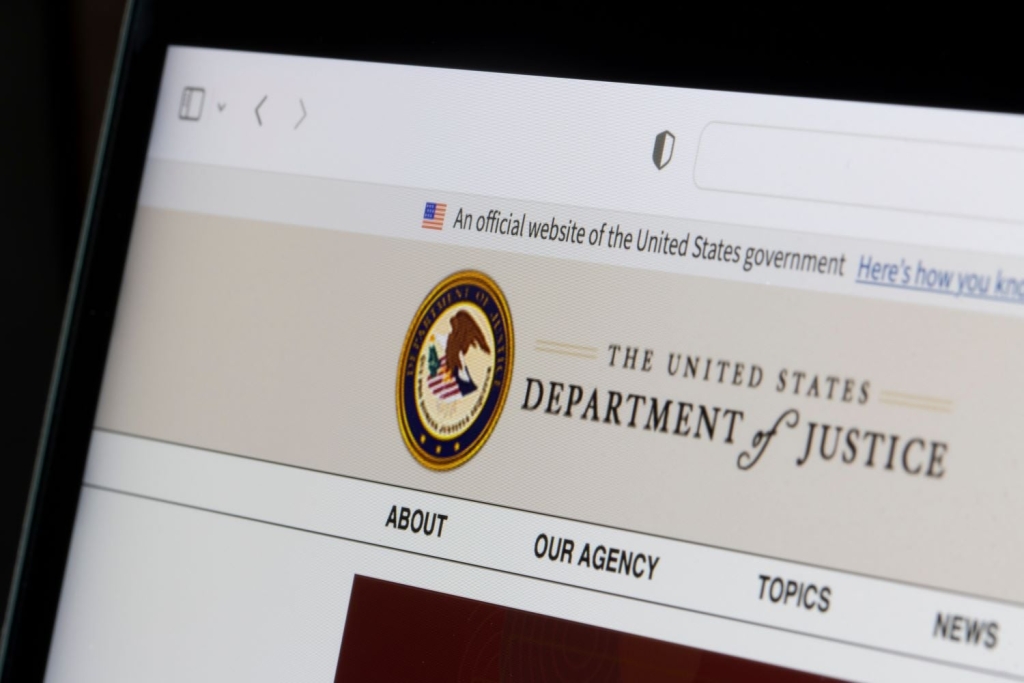
Trump DOJ’s High-Tech Hunt for Voter Fraud Stumbles Over Basic Email Error
In what can only be described as a bizarre mix of bureaucratic incompetence and technological naivety, the Trump-era Department of Justice (DOJ) has once again found itself at the center of a digital blunder that has derailed one of its most high-profile investigations. The agency, which has been aggressively pushing for states to hand over voter registration data as part of a sweeping review into alleged 2020 election fraud, has hit a major roadblock—not because of legal pushback or state resistance, but because its officials couldn’t get an email address right.
According to a detailed report from Democracy Docket, the DOJ’s Voting Section has been sending formal demands and follow-up inquiries to Oklahoma officials for months, all in an effort to obtain the state’s voter rolls. The goal? To scrutinize the data for signs of fraud that, despite extensive investigations, have yet to be substantiated. But here’s the catch: the DOJ has been emailing the wrong address the entire time.
A Simple Mistake with Major Consequences
It all started with a letter sent to Oklahoma Secretary of State Paul Ziriax, demanding compliance with the DOJ’s request for voter registration information. There was just one problem—Paul Ziriax isn’t actually Oklahoma’s Secretary of State. He’s the Secretary of the Oklahoma State Election Board. While the mix-up might seem minor at first glance, it set off a chain reaction of confusion and miscommunication that would ultimately undermine the entire operation.
Instead of realizing the error and correcting course, the DOJ continued to press forward, sending follow-up emails to various Oklahoma officials. These messages went unanswered, not because of intentional stonewalling, but simply because no one in the state’s government had received them. Why? Because the DOJ had been misspelling the official email address for months.
According to emails obtained by Democracy Docket, Acting Chief of the DOJ’s Voting Section Eric Neff repeatedly sent messages to an incorrect address: “[email protected]” instead of the correct “[email protected]” It’s a mistake so basic that it’s almost hard to believe it could happen at the highest levels of the federal government. Yet, here we are.
The Fallout: Lawsuits and Lost Credibility
The consequences of this digital fumble have been significant. Frustrated by what they perceived as a lack of cooperation, the DOJ has now filed lawsuits against Oklahoma and 29 other states, along with the District of Columbia, for failing to comply with their demands for voter data. But as it turns out, much of this legal action may have been based on a fundamental misunderstanding—one that could have been easily avoided with a simple double-check.
This isn’t just a story about a typo; it’s a glaring example of how a lack of digital literacy and basic procedural rigor can derail even the most well-intentioned (or, in this case, politically motivated) initiatives. In an age where technology is supposed to streamline government operations and enhance transparency, the Trump-era DOJ’s struggles with something as simple as sending an email are both ironic and concerning.
A Pattern of Technological Ineptitude
This incident is far from isolated. In fact, it’s part of a broader pattern of technological missteps and misunderstandings that have plagued the Trump administration’s approach to digital governance. Recent revelations from depositions of former employees of the Department of Government Efficiency (DOGE) have shed light on just how chaotic and disorganized the administration’s tech practices have been.
In one particularly viral moment, former DOGE employee Nathan Cavanaugh detailed how he resorted to emailing documents to himself, transferring them to his personal device, and then sending them to DOGE leader Steve Davis via the encrypted messaging app Signal. His reasoning? “There was no other way to do it.” This kind of workaround, while perhaps innovative in a pinch, is hardly the hallmark of a well-oiled governmental machine.
The AI Question: Too Much, Too Soon?
The irony here is palpable. The Trump administration has been vocal about its desire to integrate artificial intelligence into various aspects of government operations, from streamlining bureaucratic processes to enhancing national security. Yet, as this latest debacle shows, the administration’s officials seem to struggle with even the most basic aspects of digital communication.
It raises the question: if they can’t get an email right, how can they be trusted to wield AI responsibly? The stakes are high—AI is already being used in sensitive areas like military targeting and criminal justice. If the same level of carelessness that led to the Oklahoma email fiasco were to seep into these domains, the consequences could be catastrophic.
A Cautionary Tale for the Digital Age
At its core, this story is a cautionary tale about the importance of digital literacy, attention to detail, and procedural integrity in government. In an era where technology is increasingly central to governance, even small mistakes can have outsized impacts. The DOJ’s inability to send a simple email correctly has not only stalled a major investigation but has also called into question the competence of the very officials tasked with upholding the law.
As the Trump administration continues to push for greater integration of AI and other advanced technologies into government operations, it would do well to first master the basics. After all, you can’t run before you can walk—and you certainly can’t govern effectively if you can’t send an email.
Tags: Trump DOJ, voter fraud investigation, Oklahoma email blunder, digital incompetence, government technology failures, AI in government, Democracy Docket report, voter registration data, bureaucratic errors, Trump administration tech issues
Viral Phrases:
- “The DOJ spelled the email address wrong. Oops!”
- “No one in Oklahoma’s government received those emails.”
- “There was no other way to do it.”
- “These people can’t be trusted to use AI for anything meaningful.”
- “Best practices and digital hygiene are not a part of the Trump administration’s onboarding.”
- “It’s clear that these people can’t be trusted to use AI for anything meaningful, like determining targets in war.”
- “Maybe they could use it to send an email. That seems to be more their speed.”
- “The most powerful legal entity in the country and your authority is constantly being undermined by the fact that you get basic information wrong.”
,


Leave a Reply
Want to join the discussion?Feel free to contribute!