
Storm-2561 Spreads Trojan VPN Clients via SEO Poisoning to Steal Credentials
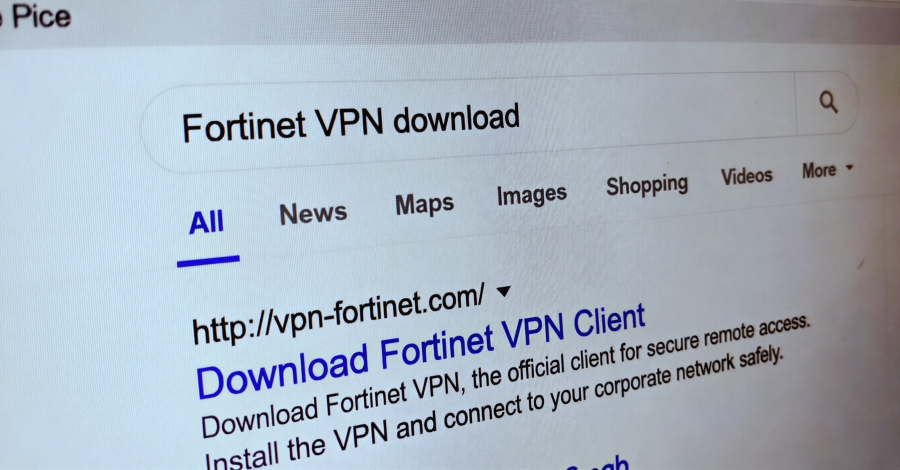
Cybercriminals Hijack Search Engines to Steal VPN Credentials in Sophisticated Phishing Campaign
In a disturbing new wave of cybercrime, attackers are exploiting search engine trust to distribute fake VPN clients that steal user credentials, according to a recent disclosure by Microsoft’s Threat Intelligence team. The campaign, which has been active since mid-January 2026, represents a significant evolution in SEO poisoning tactics that combines social engineering with sophisticated malware deployment.
The Anatomy of a Digital Deception
The operation begins with something deceptively simple: a user searching for legitimate enterprise VPN software on popular search engines. However, instead of landing on official vendor websites, victims are redirected through carefully crafted SEO poisoning techniques to malicious websites controlled by cybercriminals. These sites are designed to appear authentic, complete with professional layouts and convincing branding that mimics legitimate software providers.
Once users arrive at these fraudulent pages, they’re prompted to download what appears to be a legitimate VPN client installer. The malicious ZIP files contain digitally signed MSI installer packages that masquerade as trusted VPN software from companies like SonicWall, Hanwha Vision, and Ivanti Secure Access. The digital signatures, issued by a company called “Taiyuan Lihua Near Information Technology Co., Ltd.,” add an additional layer of credibility to the deception.
The Malware Delivery Chain
The sophistication of this campaign lies in its multi-stage delivery mechanism. When victims execute the downloaded installer, it doesn’t simply install malware—it performs a carefully orchestrated sequence of actions designed to harvest credentials while maintaining the appearance of legitimate software installation.
The MSI installer sideloads malicious DLL files during the installation process. These DLLs are the true payload, containing variants of an information stealer known as Hyrax. This malware is specifically engineered to extract VPN credentials from the victim’s system, including stored passwords, authentication tokens, and other sensitive authentication data.
The Credential Capture Trap
What makes this campaign particularly effective is its use of social engineering at multiple touchpoints. After the initial malware installation, victims are presented with a fake VPN sign-in dialog that appears completely legitimate. This dialog prompts users to enter their VPN credentials, which are then captured by the malware and exfiltrated to the attackers’ command-and-control servers.
The deception doesn’t end there. Once credentials are entered, victims receive an error message instructing them to download the “legitimate” VPN client. In some cases, users are even redirected to the actual vendor’s website, creating a false sense of security and making it less likely that they’ll realize they’ve been compromised.
Technical Sophistication and Persistence
The attackers have implemented several technical measures to ensure their malware remains effective over time. One of the most concerning aspects is the use of the Windows RunOnce registry key to establish persistence. This registry entry ensures that the malicious components are automatically executed every time the system reboots, allowing the malware to continue harvesting credentials long after the initial infection.
The campaign’s technical infrastructure is equally sophisticated. Attackers abuse trusted platforms like GitHub to host their malicious installer files, taking advantage of the platform’s credibility and widespread use in legitimate software development. This abuse of trusted platforms makes it more difficult for traditional security measures to identify and block the malicious content.
Attribution and Threat Landscape
Microsoft has attributed this campaign to a threat actor known as Storm-2561, which has been active since May 2025. This group specializes in SEO poisoning and impersonation of popular software vendors, demonstrating a pattern of evolving tactics and increasing sophistication. The campaign represents a continuation and refinement of techniques first documented by Cyjax and later analyzed by Zscaler in previous iterations.
The financial motivation behind Storm-2561’s operations is evident in their methodical approach to credential theft. By targeting VPN credentials specifically, the attackers can potentially access corporate networks, steal sensitive data, or sell the stolen credentials on underground markets.
Microsoft’s Response and Mitigation
In response to this campaign, Microsoft has taken decisive action to neutralize the threat. The company has worked to take down the attacker-controlled GitHub repositories hosting the malicious files and has revoked the legitimate digital certificate used to sign the malware. These actions significantly disrupt the campaign’s infrastructure and prevent new infections through the previously identified distribution channels.
However, the fundamental techniques employed in this campaign—SEO poisoning, fake software distribution, and credential harvesting—remain viable attack vectors that other threat actors could potentially exploit.
Protecting Yourself and Your Organization
Given the sophistication and effectiveness of this campaign, both organizations and individual users need to implement robust defensive measures. Microsoft recommends several critical steps to protect against these types of attacks:
First, implement multi-factor authentication (MFA) on all accounts, particularly those with access to sensitive systems or corporate networks. MFA adds an additional layer of security that can prevent credential theft from being immediately useful to attackers.
Second, exercise extreme caution when downloading software from websites, especially when searching for enterprise applications. Always verify that you’re downloading from official vendor websites rather than third-party sites that may appear in search results.
Third, maintain up-to-date security software that can detect and block known malware signatures and suspicious behavior patterns. Modern endpoint protection solutions can often identify the malicious components in these types of campaigns before they can execute.
Fourth, educate users about the risks of SEO poisoning and fake software distribution. Many successful attacks rely on users not recognizing the warning signs of fraudulent websites and downloads.
The Broader Implications
This campaign represents a troubling trend in cybercrime: the weaponization of search engine trust and the abuse of legitimate software distribution channels. As attackers become more sophisticated in their social engineering techniques and technical implementation, traditional security measures alone may not be sufficient to protect against these threats.
The use of digitally signed malware, abuse of trusted platforms, and multi-stage credential harvesting demonstrates that cybercriminals are investing significant resources in developing more effective attack methodologies. This investment suggests that such campaigns will likely continue to evolve and become more prevalent in the future.
Organizations must adopt a defense-in-depth approach that combines technical controls, user education, and continuous monitoring to effectively counter these sophisticated threats. The stakes are particularly high when it comes to VPN credentials, as these often provide access to corporate networks and sensitive data.
The Microsoft disclosure serves as an important reminder that in today’s threat landscape, even the most routine online activities—like searching for and downloading software—can potentially expose users to significant security risks. Vigilance, education, and robust security practices remain our best defense against these evolving cyber threats.
SEO poisoning #VPN credential theft #malware distribution #cybersecurity threats #Microsoft Threat Intelligence #Storm-2561 #fake VPN clients #Hyrax stealer #SEO manipulation #digital certificate abuse #GitHub malware #Windows RunOnce #credential harvesting #enterprise security #cybercrime operations #information stealer #malicious installers #search engine manipulation #social engineering #cyber defense
Stop searching. Start securing.
Your credentials are worth more than you think.
The next click could cost your company everything.
Trust, but verify—especially when it’s free.
In the digital world, appearances deceive.
The most dangerous threats wear the best disguises.
Your search engine isn’t always your friend.
When it looks too good to be true, it probably is.
The malware that got away was signed by trust.
Credentials stolen in seconds, damage lasts forever.
The internet remembers every credential you’ve ever typed.
Your VPN might be the weakest link.
The click that changed everything.
Security isn’t optional anymore—it’s survival.
In cyberspace, the hunter becomes the hunted.
The digital wolf in sheep’s clothing.
Your next download could be your last mistake.
The price of convenience is often your privacy.
When hackers play the long game, everyone loses.
The silent stealer that never sleeps.
Your credentials: the new currency of cybercrime.
The attack that started with a simple search.
In the world of malware, trust is the ultimate weapon.
The digital trap you never saw coming.
Your security is only as strong as your weakest search.
The malware that signed its own death warrant.
When cybercriminals become software developers.
The credential theft that keeps on giving.
Your digital life, one stolen credential at a time.
The campaign that proved trust can be exploited.
In the end, the only defense is awareness.
The malware that learned to speak your language.
Your next security breach might start with a Google search.
The silent war being fought in your browser.
When cybercriminals become better marketers than legitimate companies.
The digital deception that fooled millions.
Your credentials: the keys to your digital kingdom.
The attack that proved social engineering never gets old.
In the world of cybercrime, sophistication is the new normal.
The malware that turned trust into a weapon.
Your security awareness is your best firewall.
The digital equivalent of a wolf in sheep’s clothing.
When cybercriminals become more trustworthy than legitimate vendors.
The silent threat that hides in plain sight.
Your next click could be your company’s undoing.
The malware that learned to play the long game.
In cyberspace, the most dangerous threats are the most convincing.
The attack that proved credentials are the new gold.
Your digital life, compromised one credential at a time.
The malware that turned search engines into weapons.
When cybercriminals become better at marketing than legitimate businesses.
The silent stealer that never stops working.
Your security is only as strong as your awareness.
The digital trap that keeps getting better.
In the end, knowledge is your only defense.
The malware that proved trust can be exploited.
Your next download could be your company’s downfall.
The attack that showed how sophisticated cybercrime has become.
When hackers become the most convincing salespeople.
The silent threat that’s always evolving.
Your credentials: the new currency in the digital underground.
The malware that turned legitimate platforms into weapons.
In cyberspace, the most dangerous threats are the most authentic.
The attack that proved credentials are worth more than money.
Your digital security, one compromised credential at a time.
The malware that learned to speak the language of trust.
When cybercriminals become better at building trust than legitimate companies.
The silent stealer that never takes a break.
Your awareness is the only thing standing between you and compromise.
The digital deception that’s getting harder to spot.
In the world of cybercrime, sophistication is the new standard.
The malware that proved trust is the ultimate vulnerability.
Your next click could be the beginning of the end.
The attack that showed how valuable your credentials really are.
When hackers become the most trustworthy faces online.
The silent threat that’s always one step ahead.
Your digital life, compromised without you ever knowing.
The malware that turned search into a weapon of mass compromise.
In cyberspace, the most dangerous threats wear the best disguises.
The attack that proved credentials are the new battleground.
Your security awareness is your only true defense.
The digital wolf that’s learned to dress like a sheep.
When cybercriminals become better at building credibility than legitimate vendors.
The silent stealer that’s always working in the background.
Your next download could be the malware that brings everything down.
The attack that showed how sophisticated digital deception has become.
In the world of cybercrime, trust is the most valuable commodity.
The malware that proved credentials are worth more than gold.
Your digital security, compromised one click at a time.
The silent threat that’s always evolving and adapting.
When hackers become the most convincing online personalities.
The attack that proved social engineering is still the most effective weapon.
Your awareness is the only firewall that never fails.
The digital deception that’s getting harder to distinguish from reality.
In cyberspace, the most dangerous threats are the most believable.
The malware that turned trust into the ultimate weapon.
Your next click could be the malware that changes everything.
The attack that showed how valuable your digital identity really is.
When cybercriminals become better at building relationships than legitimate businesses.
The silent stealer that never stops learning.
Your digital life, one compromised credential at a time.
The malware that proved search engines can be weaponized.
In the world of cybercrime, sophistication is the new normal.
The attack that showed how trust can be exploited at scale.
Your security awareness is your only true protection.
The digital wolf in sheep’s clothing that’s getting smarter.
When hackers become the most trustworthy online presences.
The silent threat that’s always one step ahead of detection.
Your next download could be the malware that brings your network down.
The attack that proved credentials are the new battleground in cybercrime.
In cyberspace, the most dangerous threats are the most convincing.
The malware that turned legitimate platforms into weapons of compromise.
Your awareness is the only defense that never sleeps.
The digital deception that’s becoming increasingly sophisticated.
When cybercriminals become better at building trust than legitimate vendors.
The silent stealer that’s always working to compromise your security.
Your digital security, compromised one credential at a time.
The attack that showed how valuable your online identity really is.
In the world of cybercrime, trust is the most valuable weapon.
The malware that proved search can be weaponized against users.
Your next click could be the beginning of a major security breach.
The attack that demonstrated how sophisticated credential theft has become.
When hackers become the most convincing online personalities.
The silent threat that’s always evolving to stay ahead.
Your awareness is the only thing standing between you and compromise.
The digital deception that’s getting harder to spot every day.
In cyberspace, the most dangerous threats wear the best disguises.
The malware that turned trust into the ultimate weapon of compromise.
Your security is only as strong as your awareness and vigilance.
,


Leave a Reply
Want to join the discussion?Feel free to contribute!