
Wall Street pushes tokenized stocks, but institutions aren’t eager to trade them
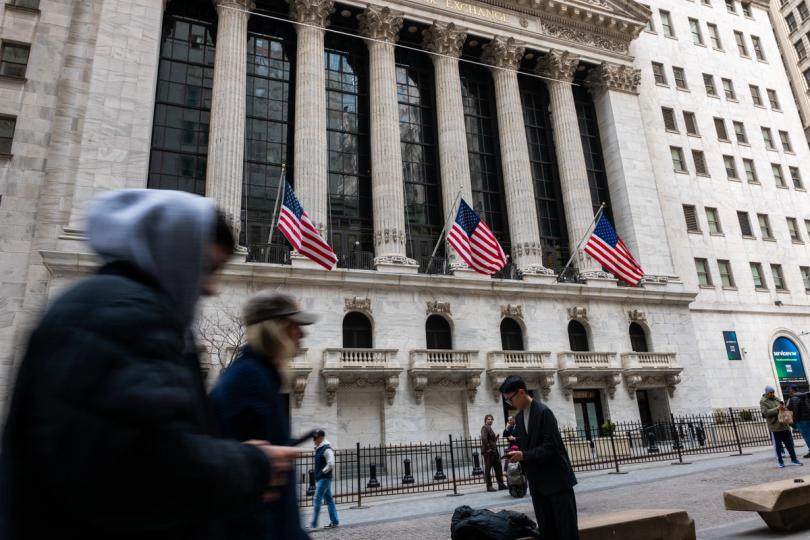
Wall Street’s 24/7 Revolution: How Tokenized Equities Could Transform Trading Forever
The financial world is on the brink of a seismic shift that could fundamentally reshape how we trade stocks. Wall Street’s biggest players are racing to tokenize equities and enable around-the-clock trading, but this technological revolution isn’t without its complications. While retail investors might celebrate the dawn of instant settlements and 24/7 markets, many institutional heavyweights are raising serious concerns about what this brave new world could mean for market stability and their bottom lines.
The Tokenization Tsunami: Wall Street’s Blockchain Awakening
Picture this: your Apple or Tesla shares transformed into digital tokens living on a blockchain, accessible anytime, anywhere, with settlement happening in seconds rather than days. That’s the revolutionary promise of tokenization—representing traditional assets like stocks on blockchain networks to modernize market infrastructure that’s remained largely unchanged for decades.
This isn’t some distant future fantasy. In recent months, financial titans have made blockbuster moves that signal tokenization’s arrival is imminent. ICE (Intercontinental Exchange), the powerhouse behind the New York Stock Exchange, has forged a strategic partnership with crypto exchange OKX. Not to be outdone, Nasdaq has teamed up with Kraken to bring tokenized stocks to market. These alliances between traditional exchanges and crypto-native platforms represent a watershed moment in financial history.
The vision is compelling: securities that move and settle instantly, markets that never sleep, and a democratization of access that could level the playing field between Wall Street and Main Street. But as with any revolution, there’s resistance from those who benefit from the status quo.
The Institutional Dilemma: Why Wall Street’s Heavyweights Aren’t Celebrating
Here’s the uncomfortable truth that’s sending shockwaves through trading floors: institutional investors generally despise the idea of instant settlement. “Institutional investors generally do not like instant settlement,” reveals Reid Noch, vice president of U.S. equity market structure at TD Securities. This isn’t Luddite resistance to technology—it’s a pragmatic assessment of how professional trading actually works.
Today’s U.S. system settles stock trades one business day after execution (T+1 settlement). This one-day delay might seem archaic in our instant-gratification world, but it serves a critical purpose. It allows brokers and trading firms to net positions and manage funding throughout the day—essentially giving them breathing room to balance the books.
Instant settlement would flip this model on its head, requiring transactions to be fully funded before they occur. “No one really wants to be prefunded,” Noch explains. If instant settlement became standard, trading firms would need to arrange financing throughout the day, potentially increasing costs and reducing liquidity at crucial moments.
The Liquidity Nightmare: When Markets Move Too Fast
Imagine the market close—that frenzied period when massive volumes of trades execute simultaneously. Under instant settlement, this already chaotic moment could become a liquidity black hole. Balance sheet constraints could make these periods exponentially more expensive for investors, spreading liquidity more unevenly throughout the trading day.
Think of it like rush hour traffic: today’s T+1 system is like having a parking lot where cars can temporarily stack up. Instant settlement would be like requiring every car to find a permanent spot immediately—chaos would ensue, and many would be left stranded.
For institutional investors managing billions in assets, these aren’t minor inconveniences. They’re existential threats to how modern trading works. The current system allows for sophisticated strategies involving leverage, short selling, and complex derivatives—all of which depend on that crucial settlement delay.
Retail’s Golden Opportunity: The 24/7 Trading Dream
While institutions wring their hands, retail investors are salivating at the possibilities. Many of tokenization’s proposed benefits—holding shares directly in digital wallets, trading outside traditional market hours, eliminating broker intermediaries—are specifically designed with individual investors in mind.
Retail already commands roughly 20% of U.S. equity trading volume, but in certain stocks, that share skyrockets. During meme stock mania, retail participation has exceeded 90% of daily activity. For these investors, tokenized markets could be revolutionary.
International retail investors stand to benefit enormously. Those seeking access to U.S. stocks when American markets are closed could finally get their wish. “Tokenized trading venues could particularly appeal to international retail investors seeking access to U.S. stocks when American markets are closed,” Noch notes. For these investors, opening accounts with crypto platforms is often far easier than navigating traditional brokers’ requirements.
The Inevitable Migration: Follow the Money
Here’s where things get interesting: institutional investors might not have a choice in the matter. “If retail liquidity migrates there and becomes meaningful, institutions won’t really have a choice but to participate,” Noch predicts. It’s the classic tale of disruptive innovation—start with the underserved market segment, perfect the technology, then watch as the mainstream has no choice but to follow.
This mirrors how many technological revolutions unfold. Remember when online trading was dismissed as a fad? Or when mobile banking was considered too insecure for serious investors? Today, these are the standard.
The Fragmentation Threat: Too Many Tokens Spoil the Broth
But tokenization isn’t without serious risks. One nightmare scenario keeps market structure experts awake at night: fragmentation. What happens when multiple versions of the same stock exist across different blockchains or tokenized platforms?
“Generally, most companies only have one stock,” Noch points out. “If suddenly there are multiple tokenized versions with different rights or liquidity profiles, that could create confusion about what investors actually own.”
This fragmentation could undermine the very transparency and price discovery that make U.S. equity markets the gold standard globally. Imagine trying to determine the “true” price of Apple stock when it trades on five different tokenized platforms, each with slightly different characteristics and liquidity profiles.
The 24/7 Countdown: Markets That Never Sleep
The infrastructure for this revolution is already being built. Exchanges are exploring longer trading hours, with some proposing nearly round-the-clock markets within the next few years. Tokenization could become part of this broader shift—modernizing infrastructure behind the scenes while gradually reshaping how investors access stocks.
Think about the implications: earnings releases at 2 AM EST? Global events triggering instant market reactions at any hour? The concept of “market hours” becoming as obsolete as telephone trading.
The Bottom Line: Revolution in Progress
For now, tokenization appears poised to advance faster among retail traders than the institutions that dominate today’s markets. But make no mistake—this train is leaving the station, with or without Wall Street’s institutional heavyweights on board.
The technology could ultimately become part of a broader shift toward modernized market infrastructure—streamlining the back end while gradually reshaping how investors access stocks. But the path forward is anything but certain.
Will institutional investors adapt their business models to embrace instant settlement? Can regulators create frameworks that prevent dangerous market fragmentation? Will retail investors embrace the responsibility of 24/7 trading, or will we see a wave of crypto-style volatility spill into traditional stocks?
One thing is clear: the financial world that emerges on the other side of this tokenization revolution will look dramatically different from the one we know today. The only question is whether Wall Street’s institutional giants will lead this charge or be left scrambling to catch up.
Tags: tokenization, blockchain stocks, 24/7 trading, instant settlement, retail investors, institutional trading, market structure, NYSE, Nasdaq, crypto exchanges, OKX, Kraken, T+1 settlement, market fragmentation, digital assets, equity markets, Wall Street revolution
Viral Phrases: “Wall Street’s 24/7 revolution”, “The tokenization tsunami”, “Institutional dilemma: why Wall Street’s heavyweights aren’t celebrating”, “The liquidity nightmare: when markets move too fast”, “Retail’s golden opportunity: the 24/7 trading dream”, “Follow the money: the inevitable migration”, “The fragmentation threat: too many tokens spoil the broth”, “The 24/7 countdown: markets that never sleep”, “Revolution in progress: the bottom line”, “Financial world transformed forever”, “Blockchain meets Wall Street”, “Trading without boundaries”, “The future of finance is tokenized”, “When retail leads, institutions must follow”, “Settlement delays: the hidden engine of modern trading”
,


Leave a Reply
Want to join the discussion?Feel free to contribute!