
Report: TerraPower leadership faces tough questions about Gates, Myhrvold and Epstein ties
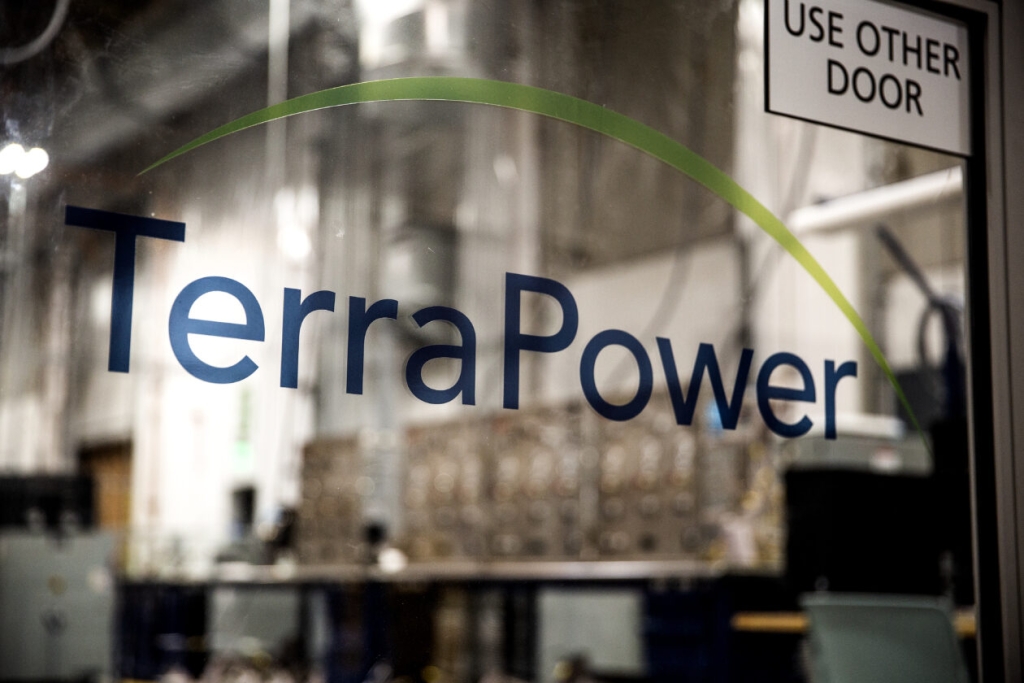
Inside TerraPower: How Bill Gates and Nathan Myhrvold’s Epstein Connections Sparked Employee Backlash
Nuclear Energy’s Bright Future Clouded by Billionaire Ties to Convicted Sex Offender
The nuclear energy sector is experiencing a renaissance, with companies like TerraPower leading the charge toward a cleaner, more sustainable energy future. However, beneath the groundbreaking technology and ambitious expansion plans lies a controversy that has rocked the Bellevue, Washington-based company to its core.
On Thursday, TerraPower CEO Chris Levesque found himself in the uncomfortable position of addressing employee concerns about the company’s high-profile connections to Jeffrey Epstein, the late financier convicted of sex crimes involving minors. The town hall meeting, which was described as tense and emotional, centered on the relationships between TerraPower’s board leadership and the disgraced billionaire.
According to reports from The Seattle Times, employees didn’t hold back their questions during the session. One particularly pointed inquiry asked how women could feel safe and respected if presenting at future board meetings, given the associations of key figures within the organization.
Levesque, who has been at the helm of TerraPower since its early days, attempted to reassure staff that the situation, while “troubling,” didn’t implicate the company in any wrongdoing. “Some of the news is troubling, but again there’s no evidence of any wrongdoing,” he told employees, according to the Times. “This is stuff that we’ll continue to work through with our board.”
The controversy stems from the deep ties between TerraPower’s leadership and Jeffrey Epstein. Company chairman Bill Gates, the Microsoft co-founder whose net worth exceeds $130 billion, and vice chair Nathan Myhrvold, former Microsoft CTO, both have documented relationships with Epstein that have come under intense scrutiny following the unsealing of millions of pages of court documents.
Gates, who launched TerraPower in 2006 alongside Myhrvold through Intellectual Ventures, has admitted to meeting with Epstein multiple times between 2011 and 2014—years after Epstein had already pleaded guilty to soliciting a minor for prostitution in Florida. These meetings occurred despite Epstein’s status as a registered sex offender, raising questions about judgment and due diligence among business and philanthropic leaders.
The situation became even more complicated when Gates addressed his foundation’s staff last month, apologizing for his past interactions with Epstein. According to The Wall Street Journal, Gates acknowledged during an internal town hall that the controversy puts the Bill & Melinda Gates Foundation’s reputation at significant risk. The apology came after reports surfaced that Gates had met with Epstein despite knowing about his criminal history.
Perhaps most damaging were revelations about Gates’ personal conduct during this period. The Wall Street Journal reported that Gates admitted to two extramarital affairs—one with a Russian bridge player and another with a Russian nuclear physicist—that Epstein later discovered through mutual connections. Gates insisted to foundation employees that he “didn’t participate in or witness any of Epstein’s crimes,” telling staff, “I did nothing illicit. I saw nothing illicit.”
Myhrvold’s connections to Epstein appear even more extensive. The Seattle Times has reported on emails showing regular meetings between Myhrvold and Epstein in both Seattle and New York from 2010 through 2018. Correspondence also suggested Myhrvold visited Epstein’s private island, though the nature and purpose of these visits remain unclear.
Adding another layer to the controversy, Myhrvold was listed as a “friend” in Epstein’s 2003 birthday book and contributed a personal letter to the project. When previously questioned about these connections, a spokesperson for Myhrvold stated that he knew Epstein “from TED conferences and as a donor to basic scientific research” and “regrets that he ever met him.”
The timing of this internal reckoning is particularly challenging for TerraPower, which recently achieved a significant milestone in the nuclear energy sector. Last week, the company became the first in the nation to receive federal approval for construction of its next-generation nuclear power plant. The Nuclear Regulatory Commission issued a unanimous decision allowing work on TerraPower’s Wyoming demonstration plant to proceed to essential next steps.
This approval represents a major victory for advanced nuclear technology, as TerraPower is engineering a new model of smaller, less expensive nuclear reactors that can be produced in three years from fabricated components—a dramatic departure from traditional nuclear construction, which typically takes a decade to complete for massive, custom-built facilities. The reactors will generate 345 megawatts of power around-the-clock, with the capability to provide additional bursts of power through molten salt batteries.
The company’s innovative approach has attracted significant attention from tech giants seeking renewable power to electrify their data center and AI operations. As artificial intelligence continues to drive unprecedented demand for computing power, the need for reliable, carbon-free energy sources has never been more urgent.
However, the Epstein controversy threatens to overshadow these technological achievements. When reached by GeekWire for comment, a TerraPower spokesperson offered only a brief statement: “TerraPower has no additional comments outside of what was shared directly with employees.”
The situation raises broader questions about corporate governance, board composition, and the responsibilities of companies when their leadership’s personal associations become public controversies. For TerraPower’s employees, many of whom are working on technology that could play a crucial role in addressing climate change, the tension between professional pride in their work and discomfort with their leadership’s associations creates a challenging workplace dynamic.
As the nuclear energy sector continues to evolve and expand, companies like TerraPower will need to navigate not only the technical and regulatory challenges of bringing new power sources online, but also the complex reputational risks that come with high-profile leadership and controversial associations. The coming months will likely reveal whether this controversy represents a temporary distraction or a more fundamental challenge to TerraPower’s corporate culture and public standing.
Tags: TerraPower, Bill Gates, Nathan Myhrvold, Jeffrey Epstein, nuclear energy, Bellevue Washington, Intellectual Ventures, advanced nuclear reactors, NRC approval, data centers, AI power, corporate controversy, board governance, climate technology, next-generation energy
Viral Phrases: “troubling situation,” “no evidence of wrongdoing,” “how women could feel safe,” “met with Epstein multiple times,” “extramarital affairs discovered,” “visited Epstein’s private island,” “first company to receive federal approval,” “smaller less expensive nuclear reactors,” “molten salt batteries,” “tech giants seeking renewable power,” “reputation at risk,” “regrets that he ever met him,” “continue to work through with our board”
Viral Sentences: TerraPower employees confronted CEO Chris Levesque about Epstein connections during tense town hall meeting. Bill Gates apologized to foundation staff for past interactions with Jeffrey Epstein. Nathan Myhrvold had regular meetings with Epstein from 2010 through 2018. TerraPower becomes first company to receive federal approval for next-gen nuclear plant. Nuclear reactors will generate 345 megawatts of power around-the-clock. Tech giants demand renewable power for data center and AI operations. Gates admitted to two extramarital affairs discovered through Epstein connection. Myhrvold listed as “friend” in Epstein’s 2003 birthday book. Controversy threatens to overshadow breakthrough nuclear technology approval. Employees question how women can feel safe with current board leadership.
,

Leave a Reply
Want to join the discussion?Feel free to contribute!