
Today's Games Can Feel "Soulless," But Can Punch The Monkey Change That?
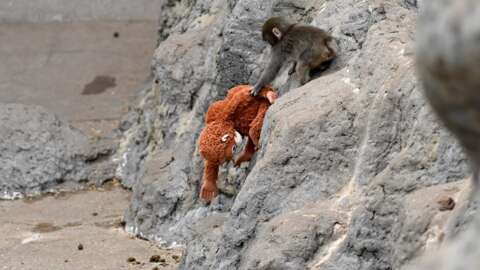
In the summer of last year, a small macaque named Punch entered the world in a Japanese zoo, unaware that his life would soon become a global symbol of both heartbreak and hope. Born at the Ichikawa City Zoo, Punch’s early days were marred by abandonment—his mother rejected him, and the troop showed no interest in taking him in. Alone and vulnerable, the infant monkey’s fate seemed uncertain, until a simple plush orangutan from IKEA became his unlikely source of comfort. That $20 toy, soft and familiar, became his constant companion, a surrogate for the warmth and protection he was denied.
The internet, always hungry for a good story, latched onto Punch’s plight. Photos of the tiny macaque clutching his stuffed friend spread like wildfire across social media, sparking an outpouring of empathy from people around the world. For many, Punch was more than just a zoo animal—he was a symbol of innocence lost, of the yearning for connection, and of the universal need for companionship. Comment sections filled with well-wishes, and animal lovers everywhere hoped that Punch would one day find a real family, whether primate or human.
And yet, as time passed, Punch remained in the zoo, his future still uncertain. While he eventually found some companionship among the zoo’s other animals, the question lingered: was this really the best life for a creature so young, so emotionally scarred? For many, the answer was a resounding no. This tension between public sentiment and institutional inertia is where a new video game, Zoo Fighter, enters the picture—not just as entertainment, but as a form of digital activism.
Zoo Fighter casts players as Punch, now armed not just with his signature plush toy, but with fists and feet ready to take on the bullies of his world. The objective is straightforward: knock out 100 adversaries, and Punch earns his ticket to a sanctuary—a place where his well-being, not public display, is the priority. It’s a simple premise, but one loaded with meaning. The game’s creators have framed it as a “love letter to all animals doing a bid at the zoo,” a rallying cry for those who believe that captivity, even in the most well-intentioned institutions, is not a substitute for a life lived in dignity and peace.
The game’s description lays out the argument plainly: animal sanctuaries are often superior to zoos for primates, offering larger, more natural spaces and a focus on rescue and lifelong care rather than breeding for display. Sanctuaries minimize human interference, reduce stress, and prioritize the animals’ mental and physical health. For Punch, and for countless others like him, the dream is not just survival, but a chance to thrive in an environment built around their needs, not ours.
This is where Zoo Fighter transcends its status as a mere game. It’s a call to action, a way for players to engage with a real-world issue through the lens of play. By embodying Punch, players are invited to imagine a different future—one where compassion and advocacy can lead to tangible change. The game doesn’t just entertain; it educates, raising awareness about the plight of captive animals and the alternatives that exist.
Of course, the effectiveness of such an approach is up for debate. Can a video game, however well-intentioned, truly influence public opinion or policy? History suggests that media—whether books, films, or games—has the power to shape discourse and inspire action. Zoo Fighter joins a growing list of titles that use interactivity to shine a light on social issues, from environmental conservation to mental health. In Punch’s case, the game offers a hopeful narrative: that even the smallest among us, given the right support and opportunities, can overcome adversity.
As Punch continues his life at the Ichikawa City Zoo, his story remains a touchstone for animal lovers and advocates. The plush orangutan that once comforted him is now a symbol of resilience, a reminder that even in the face of rejection, there is always the possibility of finding comfort, and perhaps, a way out. Whether or not Zoo Fighter leads to real-world change for Punch or others like him, it has already succeeded in keeping his story alive in the public imagination.
In a world where viral stories come and go, Punch the monkey’s tale endures—not just because it’s heartwarming, but because it challenges us to consider the lives of the animals we share our planet with, and what we owe them in return. The game invites us all to imagine a future where compassion isn’t just a feeling, but a force for change.
viral tags & phrases:
PunchTheMonkey #ZooFighter #AnimalSanctuary #DigitalActivism #SaveTheAnimals #MacaqueLove #IKEAPlush #ViralStory #AnimalRights #GameForChange #CompassionInAction #ZooVsSanctuary #RescueNotCaptivity #HopeForAnimals #GamingForGood #MonkeyBusiness #InternetSensation #AnimalAdvocacy #PlayForACause #VirtualJustice #SanctuaryLife #EndZooSuffering #CuteButPowerful #SocialImpactGames #MonkeySeeMonkeyDo #OnlineEmpathy #AnimalWellbeing #ChangeThroughGaming #ViralCompassion #DigitalHope
viral sentences:
“Punch the monkey’s plush toy became a global symbol of hope.”
“Players fight for Punch’s freedom in this new activist video game.”
“Animal sanctuaries offer a better life than zoos, says Zoo Fighter.”
“Can a video game really change the fate of a real monkey?”
“Punch’s story tugs at heartstrings worldwide.”
“Knock out 100 bullies, and Punch gets to go to a sanctuary.”
“This game is a love letter to all animals doing a bid at the zoo.”
“Virtual activism meets real-world compassion in Zoo Fighter.”
“Punch’s plush orangutan: a simple toy, a powerful message.”
“Online empathy fuels the fight for animal rights.”
“Gameplay with a purpose: saving Punch, saving primates.”
“From viral photos to virtual punches: Punch’s journey continues.”
“Animal lovers unite in the digital realm for Punch’s freedom.”
“Compassion, connection, and a quest for sanctuary.”
“Interactive advocacy: can gaming spark real change?”
“Punch’s plight sparks debate on the ethics of zoos.”
“Join the movement: play, share, and advocate for animals.”
“Every punch in the game is a punch for compassion.”
“Punch’s story reminds us that every animal deserves dignity.”
“Virtual victories for real-world animals: the power of play.”
“Monkey business meets meaningful activism.”
“Punch’s plush friend: a symbol of resilience and hope.”
“Game on for animal rights: Zoo Fighter leads the charge.”
“From viral sensation to virtual hero: Punch’s new adventure.”
“Empathy in action: how a game can change hearts and minds.”
“Punch’s journey from abandonment to advocacy.”
“Digital activism: where compassion meets creativity.”
“Join Punch’s quest for a better life—one punch at a time.”
“Animal sanctuaries: the future of compassionate care.”
“Punch’s story: a reminder that every life matters.”
“Play for a cause: gaming for animal welfare.”
“Virtual victories, real-world impact: Punch’s legacy.”
“Compassion knows no bounds—not even in the digital world.”
“Punch’s plush orangutan: more than a toy, a lifeline.”
“Join the global community fighting for Punch and primates everywhere.”
“Interactive storytelling: how games can drive social change.”
“Punch’s tale: where viral fame meets meaningful advocacy.”
“Every click, every punch, every share: making a difference.”
“Animal rights in the digital age: Punch leads the way.”
“Empathy, education, and empowerment: the power of Zoo Fighter.”
“Punch’s plush friend: a beacon of hope in a challenging world.”
“Virtual activism: turning clicks into compassion.”
“Punch’s journey inspires a new generation of animal advocates.”
“Game for change: how Zoo Fighter is making waves.”
“Compassion in the digital age: Punch’s story continues.”
“Join the movement: play, share, and stand up for animals.”
“Punch’s plush orangutan: a symbol of comfort and courage.”
“Virtual victories for real-world animals: the impact of play.”
“Punch’s tale: a call to action for animal lovers everywhere.”
“Empathy, engagement, and empowerment: the future of advocacy.”
,


Leave a Reply
Want to join the discussion?Feel free to contribute!