
Uber puts another chip on the self-driving roulette table
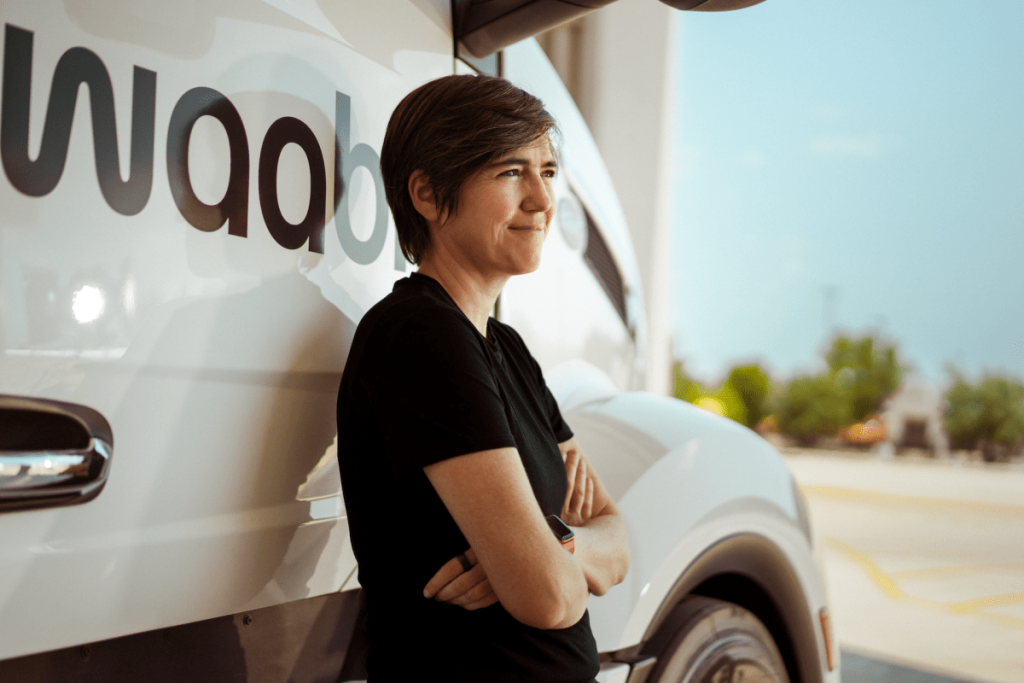
Waabi’s $1 Billion Bet: From Self-Driving Trucks to Robotaxis, Uber’s Next Big Play in Autonomous Vehicles
In a seismic shift for the autonomous vehicle industry, self-driving truck startup Waabi has secured a staggering $1 billion in funding—$750 million upfront, with an additional $250 million contingent on deployment milestones from Uber. But this isn’t just another funding round for the Toronto-based company founded by AI visionary Raquel Urtasun. It’s a bold declaration of intent: Waabi is pivoting from long-haul trucking to the fiercely competitive world of robotaxis, and Uber is doubling down on its strategy of betting on every autonomous vehicle player in the game.
The Big Picture: Why This Deal Matters
Waabi’s billion-dollar raise isn’t just a financial milestone—it’s a strategic masterstroke. The company, which has been quietly building its “simulation-first” approach to autonomous driving, is now setting its sights on deploying over 25,000 robotaxis. This move signals a major shift in the AV landscape, where the race to dominate urban mobility is heating up.
But here’s the kicker: Uber’s involvement isn’t just about funding. It’s about control. With more than 20 autonomous vehicle partners worldwide, Uber is essentially hedging its bets, ensuring it has a seat at the table no matter which player emerges victorious. The question now is whether this scattergun approach will pay off—or if Uber is spreading itself too thin in a market where focus might be the key to success.
Waabi’s Secret Sauce: The Simulation-First Approach
What sets Waabi apart from the crowded field of AV startups? It’s their “simulation-first” methodology. Instead of relying solely on real-world testing, Waabi uses advanced simulations to train its AI systems, allowing it to iterate faster and more safely. This approach has already proven successful in the trucking industry, where Waabi’s technology is being used to power autonomous freight deliveries.
Now, the company is applying this same philosophy to robotaxis. By leveraging its simulation capabilities, Waabi aims to accelerate the deployment of its autonomous vehicles in urban environments, where the challenges are far more complex than on highways. If successful, this could be a game-changer for the industry, which has struggled with the high costs and risks of real-world testing.
Uber’s AV Strategy: Betting on Everything
Uber’s involvement in Waabi’s funding round is just the latest move in its aggressive autonomous vehicle strategy. The ride-hailing giant has partnerships with more than 20 AV companies, including heavyweights like Waymo, Aurora, and Motional. This approach allows Uber to stay ahead of the curve, ensuring it has access to the latest technology regardless of which company ultimately wins the AV race.
But is this strategy sustainable? Critics argue that Uber’s scattergun approach could dilute its focus and resources, making it harder to achieve meaningful progress in any one area. On the other hand, supporters point out that the AV industry is still in its early stages, and it’s impossible to predict which technology or company will emerge as the leader. By spreading its bets, Uber is ensuring it won’t be left behind.
The Road Ahead: Challenges and Opportunities
While Waabi’s funding round is a major milestone, the road to deploying 25,000 robotaxis is fraught with challenges. Regulatory hurdles, public acceptance, and the technical complexities of urban driving are just a few of the obstacles the company will need to overcome.
But the opportunities are equally significant. The robotaxi market is projected to be worth hundreds of billions of dollars by the end of the decade, and companies that can crack the code on autonomous urban mobility stand to reap enormous rewards. For Uber, which has been struggling to turn a profit, a successful robotaxi deployment could be the key to unlocking its long-term growth potential.
What the Experts Are Saying
On TechCrunch’s Equity podcast, hosts Kirsten Korosec, Sean O’Kane, and Anthony Ha delved into the implications of Waabi’s funding round. They discussed Uber’s AV partnership strategy, the potential of Waabi’s simulation-first approach, and the broader trends shaping the autonomous vehicle industry.
“One of the things that’s interesting about Waabi is that they’re not just another AV company,” said Korosec. “Their simulation-first approach could give them a significant edge in terms of speed and safety.”
O’Kane added, “Uber’s strategy of partnering with everyone is a double-edged sword. On one hand, it gives them access to the best technology. On the other hand, it could make it harder for them to build a cohesive strategy.”
The Bottom Line
Waabi’s billion-dollar raise is more than just a funding round—it’s a statement of intent. The company is positioning itself as a major player in the robotaxi market, and Uber is betting big on its success. Whether this gamble pays off remains to be seen, but one thing is clear: the race for autonomous urban mobility is heating up, and the stakes have never been higher.
As the AV industry continues to evolve, one thing is certain: the companies that can navigate the challenges of regulation, technology, and public acceptance will be the ones that shape the future of transportation. And with Waabi’s simulation-first approach and Uber’s deep pockets, this dynamic duo might just be the ones to watch.
tags
Waabi #AutonomousVehicles #Robotaxis #Uber #SelfDrivingTrucks #AI #SimulationFirst #TechCrunch #EquityPodcast #FutureOfTransportation #Innovation #Disruption #Mobility #AVIndustry #RaquelUrtasun
viralSentences
- Waabi’s $1B raise is a game-changer for the AV industry.
- Uber’s scattergun approach to AV partnerships could be its secret weapon.
- Simulation-first: the future of autonomous driving?
- Robotaxis are the next frontier in the race for autonomous mobility.
- Can Waabi’s billion-dollar bet pay off in the competitive world of robotaxis?
- Uber’s AV strategy: bet on everything, win big.
- The AV industry is heating up, and Waabi is ready to lead the charge.
- Raquel Urtasun’s vision for autonomous driving is finally getting the funding it deserves.
- The future of transportation is here, and it’s autonomous.
- Waabi’s simulation-first approach could revolutionize urban mobility.
,


Leave a Reply
Want to join the discussion?Feel free to contribute!