
Honda is killing its EVs — and any chance of competing in the future
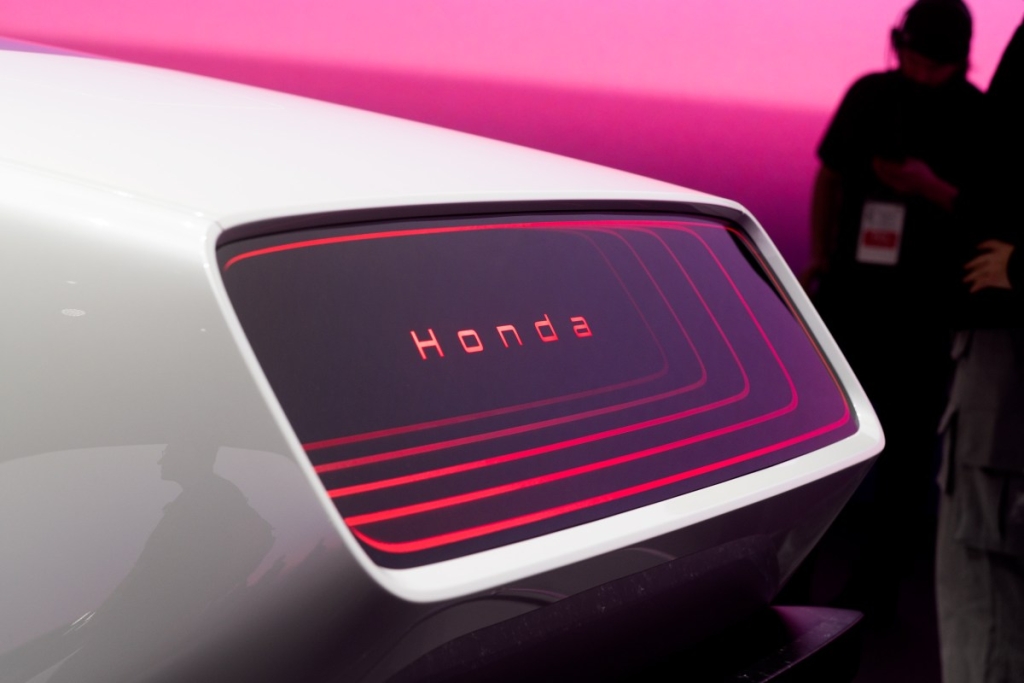
Honda Abandons EV Push: A Fatal Misstep That Could Seal Its Fate in the Electric Age
The automotive world is reeling from Honda’s dramatic decision to completely abandon its electric vehicle initiatives, a move that industry experts are calling nothing short of corporate suicide in the face of the most significant transformation the auto industry has seen in a century.
The Death Knell for Honda’s EV Dreams
In a stunning series of announcements this week, Honda revealed it’s killing three major EV projects: the electric Acura RDX, the Honda 0 sedan, and the Honda 0 SUV. The company followed this up by reportedly canceling the Prologue EV—a vehicle that was already being built by GM under a partnership agreement.
The timing couldn’t be worse. As Chinese manufacturers like BYD, Nio, and Xiaomi are gaining massive ground in the global EV market, and as legacy automakers are finally finding their footing in the electric transition, Honda is choosing to retreat.
“We’re seeing a company that fundamentally misunderstands the nature of the transformation happening in the auto industry,” says automotive analyst Sarah Chen. “This isn’t just about swapping out engines for batteries—it’s about reimagining what a vehicle can be.”
The Real Reasons Behind Honda’s Retreat
While Honda publicly blames U.S. tariffs and intense competition from Chinese manufacturers, industry insiders suggest the real story runs much deeper. The company has never developed a coherent EV strategy, instead treating electric vehicles as a checkbox exercise rather than a fundamental reimagining of automotive technology.
“Honda kicked the can down the road for too long,” explains Mark Thompson, a former Honda engineer who now consults for EV startups. “They thought they could wait until the technology matured, but they’ve missed the boat on something far more important: the software revolution that’s happening alongside electrification.”
Two Fatal Mistakes: Missing the EV Revolution and the Software Revolution
Honda’s retreat from EVs means it’s falling behind on not one but two massive industry shifts. First, there’s the obvious one: electric drivetrains. But second, and perhaps more critically, Honda is abandoning the race toward software-defined vehicles (SDVs).
The SDV concept represents vehicles that can receive over-the-air updates, feature constantly improving capabilities, and offer experiences that evolve throughout the ownership lifecycle. Companies like Tesla have already conditioned consumers to expect this level of technological sophistication.
“Consumers who buy EVs from Tesla, Rivian, or even traditional automakers’ new EV offerings now expect their cars to improve over time,” notes automotive technology researcher Dr. James Wilson. “They want frequent updates, advanced driver assistance features, and infotainment systems that don’t feel like they’re from 2010.”
Honda’s current lineup offers none of these features, and by abandoning EVs, the company is essentially guaranteeing it will never develop the expertise needed to compete in this space.
The Engineering Reality: EVs Aren’t Just Cars Without Engines
One of Honda’s fundamental miscalculations appears to be viewing EVs as simply cars with different powertrains. This couldn’t be further from the truth.
“When you design a vehicle around an internal combustion engine, you make compromises that don’t work for electric vehicles,” explains automotive engineer Lisa Martinez. “The weight distribution is different, the packaging is different, and the user experience expectations are completely different.”
Ford learned this lesson the hard way with its Mustang Mach-E. Based on a modified version of the platform that underpins the Escape crossover, the Mach-E has been a sales success but a financial challenge for Ford. The company’s CEO, Chris Farley, recently revealed that the Mach-E’s wiring harness is 70 pounds heavier than Tesla’s—a seemingly small difference that compounds into major cost and efficiency issues.
The Learning Curve Honda Won’t Experience
By abandoning its EV initiatives, Honda is also walking away from critical learning opportunities. There’s learning by doing—both in development and manufacturing. There’s learning to cultivate new suppliers and supply chains. And perhaps most importantly, there’s learning what customers actually value in their electric vehicles.
“What features do people prioritize? How do they use their vehicles differently when they’re electric? What price points work? Honda is choosing to remain ignorant of all these critical questions,” says market research expert David Park.
Honda’s Identity Crisis: More Than Just an Engine Company
At its core, Honda has always been an internal combustion engine company. It makes exceptional engines—light, efficient, and reliable. But as the world moves away from fossil fuels, that core competency becomes less relevant with each passing year.
“Honda’s DNA is in engine technology,” notes automotive historian Dr. Robert Chen. “But when the fundamental technology of the industry shifts, companies need to evolve or die. Honda is choosing a third option: denial.”
The company has also built its reputation on making “driver’s cars”—vehicles that are lightweight, efficient, and handle exceptionally well. But as autonomy advances and the definition of what makes a car enjoyable to “drive” changes, Honda’s traditional strengths may become irrelevant.
The Chinese Competition: A Warning Sign Honda Ignored
Honda’s problems in the Chinese market should have served as a wake-up call. In its recent earnings report, the company admitted it “was unable to deliver products that offer value for money better than that of newer EV manufacturers, resulting in a decline in competitiveness.”
The numbers are stark: headwinds in China contributed to Honda’s nearly $16 billion in losses last year. Without a competitive EV strategy, it’s only a matter of time before Honda faces similar challenges in other markets.
Chinese manufacturers like BYD have demonstrated that once battery prices come down, overall vehicle costs follow. They’re also proving that EVs can be more reliable than their fossil fuel counterparts—potentially undermining two of Honda’s traditional competitive advantages: reliability and value pricing.
The Path Forward: A Company Without a Future?
Industry experts are divided on whether Honda can recover from this decision. Some believe the company might be able to pivot back to EVs if market conditions change, while others see this as a fatal error that will lead to Honda’s marginalization in the global auto industry.
“The auto industry is experiencing more disruption in the next ten years than it did in the previous fifty,” says technology analyst Maria Gonzalez. “Companies that don’t embrace this change aren’t just falling behind—they’re ensuring their own obsolescence.”
For Honda, the next few years will be critical. As more markets announce bans on new fossil fuel vehicle sales, as battery technology continues to improve and prices continue to fall, and as consumer expectations evolve, Honda’s decision to abandon EVs could prove to be one of the most consequential—and costly—strategic errors in automotive history.
The company that once symbolized Japanese engineering excellence may find itself becoming a cautionary tale about the dangers of failing to adapt to technological transformation.
Tags: Honda, EVs, electric vehicles, automotive industry, software-defined vehicles, SDV, BYD, Tesla, Rivian, Chinese automakers, internal combustion engine, EV strategy, Prologue, Acura, Honda 0, automotive disruption, battery technology, over-the-air updates, autonomous vehicles, market competition, engineering, manufacturing, supply chain, customer feedback, identity crisis, reliability, pricing, Chinese market, earnings report, technological transformation, obsolescence, strategic error
Viral Sentences:
- Honda just committed corporate suicide in the electric vehicle race
- The company that built its reputation on exceptional engines is abandoning the future of transportation
- This isn’t just about swapping engines for batteries—it’s about reimagining what a vehicle can be
- Honda is choosing denial while the entire industry transforms around it
- The auto giant is walking away from critical learning opportunities that could determine its survival
- What does a “driver’s car” even mean when the car drives itself?
- Chinese manufacturers are proving EVs can be more reliable than fossil fuel vehicles
- Honda’s nearly $16 billion in losses should have been a wake-up call
- The company that once symbolized Japanese engineering excellence may become a cautionary tale
- Companies that don’t embrace change aren’t just falling behind—they’re ensuring their own obsolescence
- This could be one of the most consequential strategic errors in automotive history
- Honda is guaranteeing it will never develop the expertise needed to compete in the software revolution
- The auto industry is experiencing more disruption in the next ten years than in the previous fifty
- Once battery prices come down, overall vehicle costs follow—and Honda won’t be ready
- Honda’s DNA is in engine technology, but that DNA is becoming irrelevant
,


Leave a Reply
Want to join the discussion?Feel free to contribute!