
Rocket Report: Pentagon needs more missile interceptors; Artemis II clears review
Artemis II Mission Poised for Launch: NASA Skips Final Test Ahead of April Liftoff
In a bold move that signals growing confidence in the Space Launch System (SLS), NASA officials have announced plans to forgo a final fueling test before the Artemis II mission, targeting a launch window in early April. The decision comes after months of rigorous testing and analysis, with engineers expressing optimism about the integrity of the rocket’s liquid hydrogen loading line seals.
The SLS rocket is scheduled to return to Launch Complex 39B at Kennedy Space Center next week, with the current launch window opening on April 1 at 6:24 pm EDT (22:24 UTC). NASA has strategically positioned six potential launch dates throughout the first week of April, including the newly added April 2 slot. This careful scheduling provides multiple opportunities for the mission to proceed under optimal conditions.
What makes this launch particularly noteworthy is the timing of the available windows. Both April 1 and April 2 offer launch opportunities that occur before sunset, creating ideal conditions for both technical operations and public viewing. The daylight launches will provide spectacular visual documentation of the SLS’s ascent, a feature that space enthusiasts and photographers have eagerly anticipated.
The decision to skip the final fueling test represents a calculated risk by NASA’s engineering team. After extensive analysis of previous fueling operations and seal performance, officials believe they have sufficient data to proceed without the additional test. This approach could potentially save valuable time in the launch schedule while maintaining safety margins.
Artemis II will mark a significant milestone in NASA’s lunar exploration program, serving as the first crewed flight of the SLS and Orion spacecraft. The mission will carry four astronauts on a journey around the Moon, testing critical systems and procedures that will pave the way for future lunar landings.
Firefly Aerospace’s Alpha Rocket Makes Triumphant Return to Flight
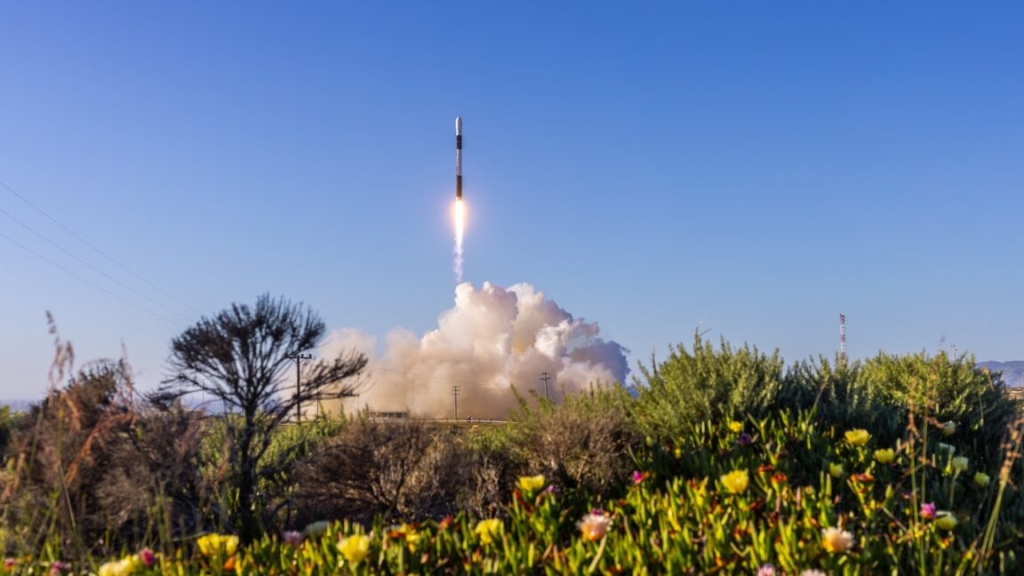
In other space industry news, Firefly Aerospace has successfully returned its Alpha rocket to flight operations, marking a significant comeback for the Texas-based launch company. The rocket’s seventh flight, conducted on March 11 from Vandenberg Space Force Base in California, demonstrated the vehicle’s reliability and introduced several key upgrades for future missions.
The two-stage Alpha rocket lifted off as scheduled, heading southwest over the Pacific Ocean. Approximately eight minutes after launch, the vehicle achieved orbit, marking a successful return to flight more than 10 months after the previous mission’s failure. The mission’s success was further validated when the rocket’s upper stage reignited its engine, demonstrating the restart capability essential for precise orbit insertion maneuvers.
This flight carried particular significance for Firefly Aerospace, as it served as a technology demonstration for the upcoming Alpha Block II configuration. The Block II represents a substantial upgrade to the existing design, incorporating numerous improvements based on operational experience and engineering analysis.
Key enhancements in the Block II configuration include:
– A 7-foot (2-meter) increase in the rocket’s overall length
– In-house developed consolidated batteries and avionics systems
– Improved thermal protection systems
– Strengthened carbon-composite structures manufactured using automated processes
The recent flight validated several of these new systems, including the in-house avionics suite and enhanced thermal protection. Firefly’s vice president of launch, Adam Oakes, praised the team’s performance, stating that “Flight 7 served as a critical opportunity to validate Alpha’s performance ahead of our Block II upgrade, and this team knocked it out of the park.”
The successful return to flight comes after a challenging period for Firefly Aerospace. The company faced a launch failure in April of the previous year, followed by a fire that destroyed a booster stage during testing. These setbacks could have derailed the company’s progress, but instead, they appear to have strengthened Firefly’s resolve and engineering capabilities.
The Alpha rocket, capable of hauling more than a ton of payload to low-Earth orbit, represents Firefly’s entry into the competitive small satellite launch market. The company’s ability to overcome recent challenges and successfully demonstrate new technologies positions it well for future growth and potential contracts.
As the space industry continues to evolve, with both established players like NASA and emerging companies like Firefly Aerospace pushing boundaries, these developments highlight the dynamic nature of space exploration and commercialization. The successful Artemis II preparations and Firefly’s return to flight demonstrate the resilience and innovation driving the new space age.
Tags: Artemis II, SLS, Space Launch System, NASA, Firefly Aerospace, Alpha rocket, Vandenberg Space Force Base, Block II upgrade, liquid hydrogen, orbit insertion, crewed mission, lunar exploration, space industry, launch schedule, April 2025
Viral phrases: “knocked it out of the park,” “bold move,” “calculated risk,” “triumphant return,” “dynamic nature of space exploration,” “new space age,” “growing confidence,” “spectacular visual documentation,” “paving the way,” “significant milestone,” “overcoming challenges,” “engineering capabilities,” “competitive small satellite launch market,” “resilience and innovation,” “pushing boundaries,” “ideal conditions,” “optimal conditions,” “daylight launches,” “public viewing,” “space enthusiasts,” “photographers have eagerly anticipated,” “validated performance,” “technology demonstration,” “critical opportunity,” “successful return to flight,” “more than a ton of payload,” “low-Earth orbit,” “precise orbit insertion maneuvers,” “in-house developed systems,” “strengthened resolve,” “substantial upgrade,” “operational experience,” “engineering analysis,” “automated processes,” “carbon-composite structures,” “thermal protection systems,” “consolidated batteries,” “avionics suite,” “restart capability,” “Pacific Ocean,” “Launch Complex 39B,” “Kennedy Space Center,” “early April,” “launch window,” “sunset launches,” “aesthetic reasons,” “technical operations,” “visual documentation,” “space age,” “commercialization,” “dynamic nature,” “established players,” “emerging companies,” “boundaries,” “developments,” “highlight,” “resilience,” “innovation,” “driving,” “new space age,” “successful preparations,” “return to flight,” “demonstrate,” “overcome,” “challenges,” “engineering,” “capabilities,” “positions,” “growth,” “potential contracts,” “evolves,” “players,” “pushing,” “developments,” “highlight,” “dynamic,” “nature,” “space,” “exploration,” “commercialization,” “successful,” “Artemis,” “II,” “preparations,” “Firefly’s,” “return,” “flight,” “demonstrate,” “overcome,” “challenges,” “engineering,” “capabilities,” “positions,” “growth,” “potential,” “contracts,” “evolves,” “players,” “pushing,” “boundaries,” “developments,” “highlight,” “dynamic,” “nature,” “space,” “exploration,” “commercialization.”,


Leave a Reply
Want to join the discussion?Feel free to contribute!