
Cast iron versus carbon steel cookware: Everything you need to know
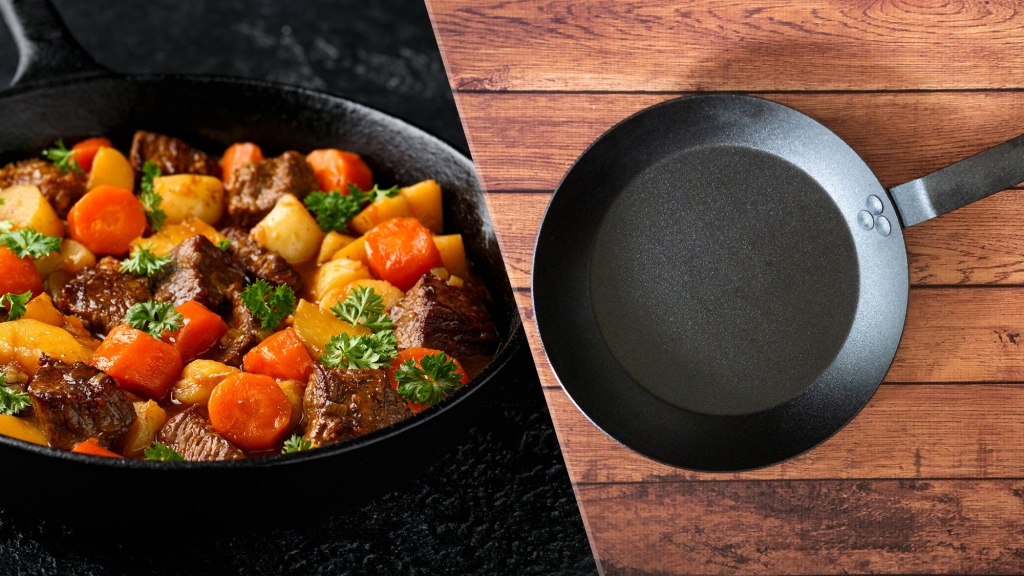
Cast Iron vs. Carbon Steel: Which Cookware Reigns Supreme?
Introduction
When it comes to upgrading your kitchen arsenal, few decisions carry as much weight as choosing between cast iron and carbon steel cookware. Both materials have earned cult-like followings among professional chefs and home cooks alike, but understanding their unique properties is crucial for making the right choice. This comprehensive guide breaks down everything you need to know about these two culinary heavyweights.
Material Composition: The Science Behind the Steel
The fundamental difference between cast iron and carbon steel lies in their metallurgical makeup. Cast iron contains approximately 2-3.5% carbon content, giving it that characteristic rough texture and substantial weight that many cooks either love or find cumbersome.
Carbon steel, by contrast, contains roughly 1-2% carbon—still more than stainless steel but significantly less than cast iron. This seemingly small difference creates dramatically different cooking experiences. The lower carbon content makes carbon steel more malleable, allowing manufacturers to shape it into thinner, lighter pans through a forging process rather than the casting method used for cast iron.
Heat Dynamics: The Battle of Thermal Properties
Here’s where things get interesting. Cast iron’s reputation for heat retention isn’t just marketing hype—it’s metallurgical fact. The dense material takes longer to heat up but maintains temperature exceptionally well once hot. This makes it ideal for slow-cooking techniques where consistent, steady heat is paramount.
Carbon steel, however, is the sprinter to cast iron’s marathon runner. It heats up rapidly and responds almost instantly to temperature changes. This responsiveness is why many professional chefs swear by carbon steel for techniques requiring precise temperature control. The trade-off? It doesn’t retain heat as long, meaning you might need to adjust your burner more frequently during extended cooking sessions.
Seasoning Showdown: Building the Perfect Non-Stick Surface
Neither material is naturally non-stick, but both can develop a remarkable cooking surface through proper seasoning. This process involves polymerizing oil onto the metal surface, creating a protective layer that prevents rust and provides non-stick properties.
Cast iron typically requires more extensive seasoning due to its porous surface. The process builds up over time, with each cooking session potentially adding another layer to your pan’s seasoning. Many cooks find this gradual improvement deeply satisfying—your pan literally gets better with age.
Carbon steel seasons more quickly but may require more frequent maintenance. Its smoother surface means the seasoning layer is more uniform but potentially less durable. The good news? If you mess up the seasoning, carbon steel is generally easier to strip and re-season than cast iron.
Weight and Maneuverability: The Physical Factor
This is where personal preference really comes into play. A typical 12-inch cast iron skillet weighs between 7-8 pounds empty—and that weight increases significantly when loaded with food. Some cooks appreciate the heft, finding it provides better control and a more substantial cooking experience.
Carbon steel offers a dramatically different experience. The same size pan might weigh half as much or less, making it significantly easier to toss ingredients, move between burners, or transfer to the oven. If you have wrist issues or simply prefer lighter cookware, carbon steel could be your best friend.
Versatility in the Kitchen: Where Each Shines
Cast iron excels at specific cooking techniques. Its heat retention makes it perfect for:
- Slow braising and stewing
- Deep frying (maintaining consistent oil temperature)
- Achieving that perfect sear on steaks
- Baking cornbread or deep-dish pizza
Carbon steel’s strengths lie in its responsiveness:
- Quick sautéing of vegetables
- Stir-frying at high heat
- Delicate egg dishes (once well-seasoned)
- Recipes requiring frequent temperature adjustments
Maintenance and Longevity: The Care Factor
Both materials require specific care routines, but they differ significantly in their demands. Cast iron’s seasoning can be damaged by acidic foods and requires careful cleaning to avoid removing the protective layer. However, when properly maintained, cast iron can literally last for generations.
Carbon steel is slightly more forgiving with acidic ingredients and generally easier to clean. It may develop a patina over time, but this is normal and even desirable. While it won’t quite match cast iron’s potential lifespan, a well-maintained carbon steel pan can still serve you for decades.
Price Point and Value Analysis
Cast iron typically offers better initial value, with quality pieces available for $20-40. The combination of lower upfront cost and potential for generational longevity makes it an excellent investment for budget-conscious cooks.
Carbon steel generally commands higher prices, often $50-150 for comparable quality. However, many chefs argue the superior performance and ease of use justify the premium. Consider your cooking style and frequency when evaluating the cost-benefit ratio.
The Verdict: Making Your Choice
After examining all factors, the “better” option ultimately depends on your specific needs:
Choose cast iron if you:
- Prefer slow, steady cooking methods
- Don’t mind heavier cookware
- Want the most cost-effective long-term investment
- Enjoy the ritual of maintaining traditional cookware
Choose carbon steel if you:
- Need responsive, quick-heating cookware
- Prefer lighter, more maneuverable pans
- Cook a variety of techniques requiring temperature control
- Want easier maintenance without sacrificing performance
The Hybrid Approach: Why Not Both?
Many serious cooks eventually acquire both types of cookware, using each for its strengths. A cast iron skillet for weekend breakfasts and slow-cooked meals, paired with carbon steel for quick weeknight dinners, provides the best of both worlds.
Viral Tags & Trending Phrases
-
CastIronVsCarbonSteel
-
KitchenShowdown
-
CookwareWars
-
ChefApproved
-
HomeCookingHacks
-
CulinaryClash
-
PanPerformance
-
HeatRetentionBattle
-
SeasoningSecrets
-
CookingEquipmentFaceoff
-
KitchenEssentialsBattle
-
ProfessionalGradeCookware
-
HomeChefMustHaves
-
CookwareShowdown
-
CulinaryEquipmentBattle
-
KitchenGearShowdown
-
CookwareComparison
-
KitchenEquipmentBattle
-
CookingToolsFaceoff
-
KitchenEssentialsComparison
Trending Sentences
- “The ultimate kitchen battle: cast iron versus carbon steel”
- “Which pan will dominate your stovetop?”
- “Professional chefs weigh in on the cookware debate”
- “The material that changed cooking forever”
- “Heat retention secrets revealed”
- “Why your grandma’s pan might be better than yours”
- “The cookware that professionals swear by”
- “Seasoning techniques that transform your cooking”
- “Weight versus performance: what really matters?”
- “The pan that does it all (or does it?)”
- “Investment pieces that last a lifetime”
- “The cooking surface that gets better with age”
- “Responsive heat control at your fingertips”
- “Traditional versus modern: the cookware evolution”
- “Why serious cooks need both types”
- “The maintenance myth debunked”
- “Performance differences that matter”
- “Cost versus value: what’s really worth it?”
- “The versatility factor you’re overlooking”
- “Heat dynamics that change everything”
,


Leave a Reply
Want to join the discussion?Feel free to contribute!