
Week in Review: Most popular stories on GeekWire for the week of March 8, 2026
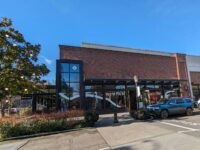
The Tesla Exemption No More: Rivian and Lucid Break Through Washington State’s Dealership Wall
In a groundbreaking move that’s sending shockwaves through the automotive industry, Washington state is set to shatter its longstanding “Tesla exemption” by allowing Rivian and Lucid Motors to establish direct-to-consumer sales showrooms for the first time. This seismic shift, effective January 1, 2027, marks the end of an era where Tesla stood alone as the only electric vehicle manufacturer permitted to bypass traditional dealership networks in the Evergreen State.
For years, Washington’s franchise laws have protected established dealership networks, requiring automakers to sell through licensed third-party dealers. However, in 2014, Tesla successfully lobbied for a special exemption, arguing that its direct sales model was essential for educating consumers about electric vehicles. This exemption allowed Tesla to open company-owned stores in malls and urban centers across Washington, fundamentally changing how consumers experience car shopping.
Now, the playing field is leveling. Rivian, the Irvine, California-based electric adventure vehicle manufacturer, and Lucid Motors, the Newark, California luxury EV maker, have successfully navigated the legislative labyrinth to secure similar rights. This development represents more than just expanded consumer choice—it signals a potential nationwide shift in how Americans purchase vehicles.
The implications are profound. Traditional dealerships, which have dominated auto sales for nearly a century, now face unprecedented competition from manufacturers wielding cutting-edge technology and direct customer relationships. Industry analysts predict this could trigger a domino effect, with other states reconsidering their franchise laws as consumer demand for direct sales continues to grow.
Rivian plans to establish showrooms in Seattle’s burgeoning South Lake Union tech corridor and Bellevue’s upscale downtown area, targeting the region’s affluent, tech-savvy demographic. Lucid Motors is eyeing similar high-visibility locations, emphasizing its premium positioning in the luxury EV market. Both companies cite Washington’s progressive environmental policies and high EV adoption rates as key factors in their expansion decisions.
Consumer advocates are celebrating the change, noting that direct sales often result in lower prices and better customer service. “When manufacturers can sell directly to consumers, it eliminates the middleman markup and creates more transparency in the buying process,” explains automotive industry analyst Maria Chen. “This is particularly beneficial for electric vehicles, where education and specialized knowledge are crucial.”
However, the Washington State Auto Dealers Association has expressed strong opposition, warning that direct sales could lead to reduced service options and warranty complications. The association argues that dealerships provide essential local employment and community investment that manufacturer-owned stores cannot match.
The timing is particularly significant given Washington’s aggressive climate goals and the Biden administration’s push for EV adoption. With federal incentives and state-level initiatives driving demand, manufacturers are racing to establish retail presence in key markets. This legislative change positions Washington as a bellwether for potential national policy shifts.
From a technological perspective, this development aligns with broader trends in retail transformation. Just as Apple revolutionized electronics retail with its direct stores, EV manufacturers are reimagining the car-buying experience. These new showrooms will likely feature interactive displays, virtual reality test drives, and sophisticated configurators that allow customers to customize vehicles in real-time.
The economic impact extends beyond automotive retail. Real estate developers are already anticipating increased demand for retail space in prime locations, while tech companies are developing specialized software for direct sales operations. The change also creates opportunities for app developers to create seamless purchasing experiences that integrate financing, trade-ins, and delivery scheduling.
As the January 2027 implementation date approaches, all eyes will be on Washington to see how this experiment unfolds. Success here could embolden manufacturers to push for similar changes in other states, potentially reshaping the entire automotive retail landscape. The “Tesla exemption” that once stood alone now becomes a model for the future of vehicle sales—one where direct manufacturer-to-consumer relationships may become the norm rather than the exception.
This legislative victory represents more than just expanded market access for Rivian and Lucid—it embodies the tension between traditional business models and disruptive innovation that characterizes our current technological revolution. As electric vehicles continue their march toward mainstream adoption, the way we buy them may be changing forever, with Washington state leading the charge into uncharted territory.
Tags: Tesla exemption, Rivian, Lucid Motors, Washington state EV sales, direct-to-consumer automotive, dealership reform, electric vehicle retail, automotive industry disruption, EV showroom, franchise laws, clean energy transportation, tech-driven retail, vehicle sales legislation, EV market expansion, automotive innovation
Viral phrases: Game-changing legislation, Leveling the playing field, End of an era for dealerships, Direct sales revolution, Electric vehicle retail transformation, Washington leads the charge, Automotive industry disruption, Tesla’s monopoly broken, EV sales evolution, Future of car buying, Dealership vs. direct sales, Clean energy retail revolution, Tech meets transportation, Legislative breakthrough, Consumer choice expansion
Viral sentences: Washington state shatters the “Tesla exemption” as Rivian and Lucid Motors gain direct sales rights. The automotive industry faces unprecedented disruption as traditional dealerships confront manufacturer-owned showrooms. Electric vehicle retail undergoes radical transformation as Washington leads the charge toward direct-to-consumer sales. Rivian and Lucid Motors break through Washington’s dealership wall, potentially reshaping how Americans buy cars forever. The “Tesla exemption” becomes the model for future vehicle sales as other states watch Washington’s experiment unfold.
,
Leave a Reply
Want to join the discussion?Feel free to contribute!