
Washington House passes 9.9% ‘millionaires tax’ as business leaders warn of ‘seismic shift’
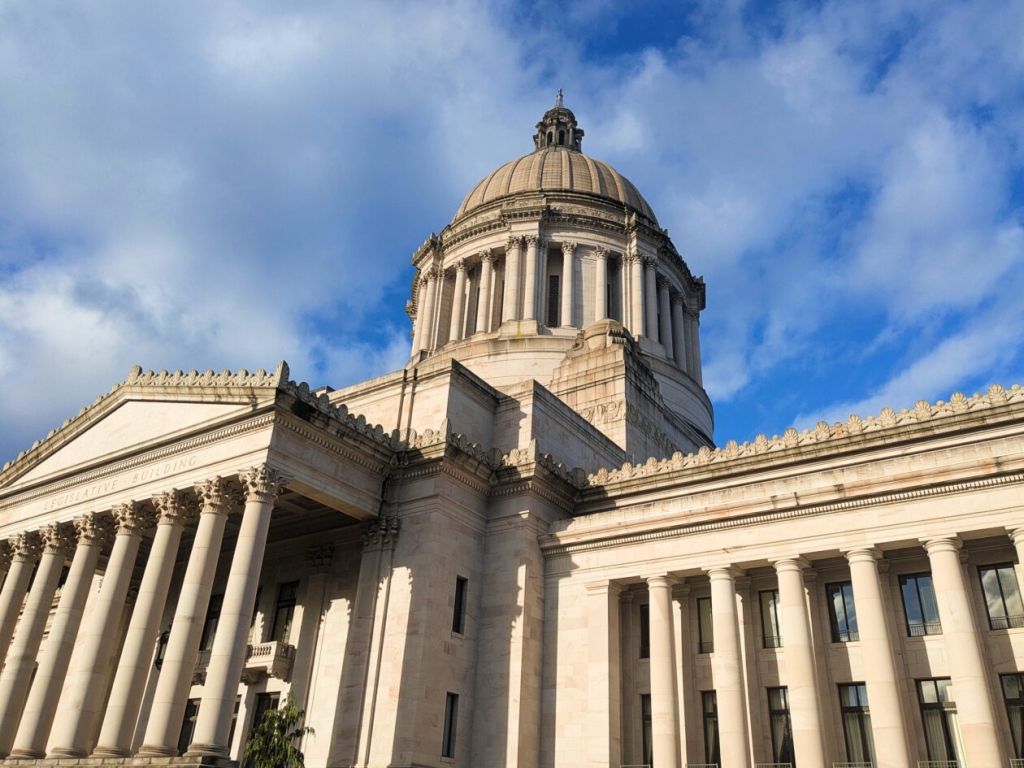
Washington State is on the brink of a historic tax overhaul that could reshape its economic landscape forever. After more than 24 hours of intense debate, the Washington House of Representatives passed the controversial “millionaires tax” late Tuesday night, setting the stage for what could be the most significant change to the state’s tax structure in decades.
The bill, known as Senate Bill 6346, introduces a 9.9% tax on taxable personal annual income exceeding $1 million. This move marks a dramatic departure for Washington, one of only nine states in the U.S. that currently operates without a personal income tax. The legislation is expected to generate an estimated $3.5 billion or more in annual revenue starting in 2029, according to preliminary fiscal analyses.
Governor Bob Ferguson has expressed strong support for the measure, stating, “The Millionaires’ Tax will apply to less than one half of one percent of Washingtonians, but make life more affordable for millions. I look forward to signing it.” The governor’s enthusiasm underscores the bill’s potential to address long-standing inequities in Washington’s tax system, which has been criticized for its heavy reliance on sales, property, and business taxes that disproportionately affect lower and middle-income residents.
However, the passage of SB 6346 has not been without controversy. Tech leaders, entrepreneurs, and business organizations have voiced concerns about the potential impact on Washington’s competitive edge in attracting and retaining high-wage earners, startup founders, and investors. The state has long benefited from its favorable tax climate, which has helped fuel the growth of major tech companies and a thriving startup ecosystem.
These concerns took on a high-profile dimension when Howard Schultz, the billionaire former CEO of Starbucks, announced on LinkedIn that he and his wife, Sheri, have relocated to Miami. While Schultz framed the move as a desire to be closer to family on the East Coast, he pointedly noted his “hope that Washington will remain a place for business and entrepreneurship to thrive.” This high-profile departure has sent ripples through the business community, raising questions about whether other wealthy individuals might follow suit.
The Association of Washington Business, represented by President Kris Johnson, has been particularly vocal in its opposition. Johnson called SB 6346 a “seismic shift” in the state’s tax structure, warning that “By adopting a state income tax, Washington is giving up one of our primary competitive advantages we have had over other states and regions.” He added that the state is already expensive for families and employers and could push businesses to start, grow, or move elsewhere.
Despite these concerns, supporters of the bill argue that it’s a necessary step towards creating a more equitable tax system. The legislation includes provisions for tax benefits for low-income families and small businesses, aiming to balance the impact of the new tax on high earners.
The bill’s passage in the House came with a 51-46 vote, with no Republican lawmakers supporting the measure and eight Democrats voting against it. One member was excused from voting. The legislation now returns to the Senate for final approval before heading to Governor Ferguson’s desk for signature.
As Washington stands on the cusp of this significant tax reform, the debate surrounding SB 6346 reflects broader national conversations about wealth inequality, tax fairness, and the role of government in addressing economic disparities. The coming months and years will be crucial in determining the long-term impact of this legislation on Washington’s economy, its tech sector, and its ability to attract and retain top talent and businesses.
The passage of this bill also sets the stage for potential legal challenges and a possible ballot measure, as opponents have vowed to fight the implementation of a state income tax. This ongoing debate underscores the complex and often contentious nature of tax policy and its far-reaching implications for states and their residents.
As Washington moves forward with this historic change, all eyes will be on the state to see how this new tax structure impacts its economy, its residents, and its position as a hub for innovation and entrepreneurship in the Pacific Northwest and beyond.
#WashingtonState #MillionairesTax #IncomeTax #TechIndustry #EconomicPolicy #TaxReform #WashingtonPolitics #SiliconValley #Entrepreneurship #WealthInequality #FiscalPolicy #StateLegislation #BusinessClimate #TaxFairness #EconomicDevelopment #SeattleTech #StartupEcosystem #HighIncomeEarners #TaxPolicy #WashingtonEconomy
Washington State, millionaires tax, income tax, tech industry, economic policy, tax reform, Washington politics, Silicon Valley, entrepreneurship, wealth inequality, fiscal policy, state legislation, business climate, tax fairness, economic development, Seattle tech, startup ecosystem, high-income earners, tax policy, Washington economy, Howard Schultz, Starbucks, Governor Bob Ferguson, Kris Johnson, Association of Washington Business, Senate Bill 6346, regressive tax code, competitive advantage, fiscal analysis, budget gap, low-income families, small businesses, ballot measure, legal challenges, innovation hub, Pacific Northwest, high-wage earners, startup founders, investors, tax benefits, equitable tax system, economic disparities, tax structure, personal income tax, taxable income, revenue generation, economic competitiveness, long-term budget sustainability, legislative session, House of Representatives, Senate, fiscal sustainability, business relocation, East Coast, family office, foundation, Seattle, economic landscape, tax overhaul, tax climate, business ecosystem, talent retention, legal challenges, ballot measure, national conversations, wealth disparity, government role, economic impact, innovation hub, tech sector, top talent, businesses, ongoing debate, tax policy, far-reaching implications, states, residents, historic change, economy, position, entrepreneurship, Pacific Northwest, beyond, coming months, years, crucial, long-term impact, legislation, residents, ability, attract, retain, businesses, debate, surrounding, SB 6346, reflects, broader, national, conversations, wealth, inequality, tax, fairness, role, government, addressing, economic, disparities, passage, bill, House, 51-46 vote, Republican lawmakers, supporting, measure, Democrats, voting, against, member, excused, voting, legislation, returns, Senate, final, approval, heading, Governor Ferguson’s desk, signature, passage, bill, also, sets, stage, potential, legal, challenges, possible, ballot, measure, opponents, vowed, fight, implementation, state, income, tax, ongoing, debate, underscores, complex, often, contentious, nature, tax, policy, far-reaching, implications, states, residents, moving, forward, historic, change, eyes, state, see, new, tax, structure, impacts, economy, residents, position, hub, innovation, entrepreneurship, Pacific Northwest, beyond, Washington State, millionaires tax, income tax, tech industry, economic policy, tax reform, Washington politics, Silicon Valley, entrepreneurship, wealth inequality, fiscal policy, state legislation, business climate, tax fairness, economic development, Seattle tech, startup ecosystem, high-income earners, tax policy, Washington economy, Howard Schultz, Starbucks, Governor Bob Ferguson, Kris Johnson, Association of Washington Business, Senate Bill 6346, regressive tax code, competitive advantage, fiscal analysis, budget gap, low-income families, small businesses, ballot measure, legal challenges, innovation hub, Pacific Northwest, high-wage earners, startup founders, investors, tax benefits, equitable tax system, economic disparities, tax structure, personal income tax, taxable income, revenue generation, economic competitiveness, long-term budget sustainability, legislative session, House of Representatives, Senate, fiscal sustainability, business relocation, East Coast, family office, foundation, Seattle, economic landscape, tax overhaul, tax climate, business ecosystem, talent retention, legal challenges, ballot measure, national conversations, wealth disparity, government role, economic impact, innovation hub, tech sector, top talent, businesses, ongoing debate, tax policy, far-reaching implications, states, residents, historic change, economy, position, entrepreneurship, Pacific Northwest, beyond, coming months, years, crucial, long-term impact, legislation, residents, ability, attract, retain, businesses, debate, surrounding, SB 6346, reflects, broader, national, conversations, wealth, inequality, tax, fairness, role, government, addressing, economic, disparities, passage, bill, House, 51-46 vote, Republican lawmakers, supporting, measure, Democrats, voting, against, member, excused, voting, legislation, returns, Senate, final, approval, heading, Governor Ferguson’s desk, signature, passage, bill, also, sets, stage, potential, legal, challenges, possible, ballot, measure, opponents, vowed, fight, implementation, state, income, tax, ongoing, debate, underscores, complex, often, contentious, nature, tax, policy, far-reaching, implications, states, residents, moving, forward, historic, change, eyes, state, see, new, tax, structure, impacts, economy, residents, position, hub, innovation, entrepreneurship, Pacific Northwest, beyond,


Leave a Reply
Want to join the discussion?Feel free to contribute!