
Arc Raiders replaced some of its AI-generated voice lines, using professional actors instead
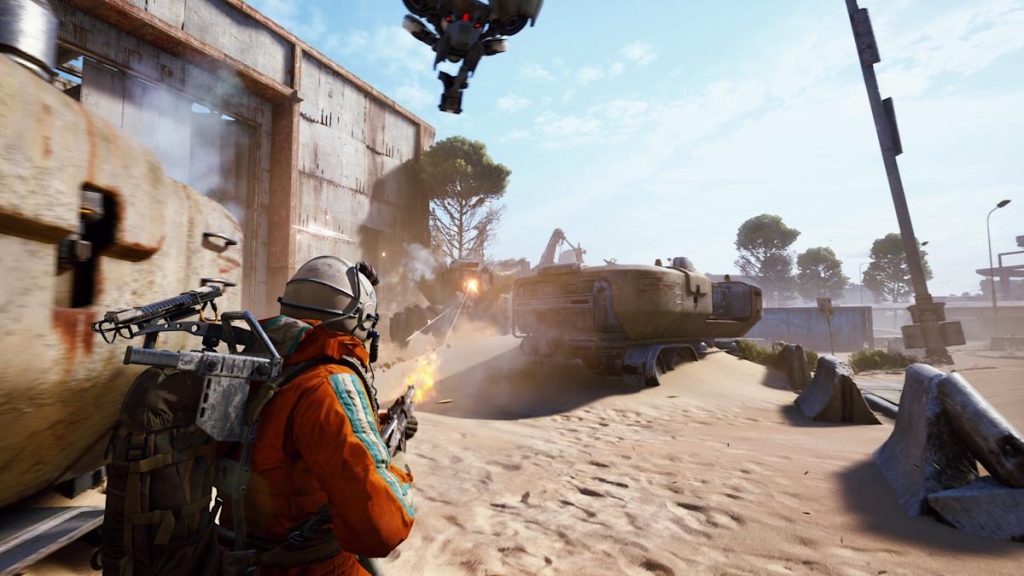
Humans Reclaim Their Voices: How Arc Raiders Ditched AI for Authenticity After Player Backlash
In a surprising turn of events that has sent shockwaves through the gaming industry, human voice actors have reclaimed their territory from artificial intelligence in the popular extraction shooter Arc Raiders. This development marks a significant moment in the ongoing debate about AI’s role in creative industries and raises important questions about authenticity, quality, and player expectations in modern gaming.
The AI Experiment That Backfired
When Arc Raiders launched in October to widespread acclaim, amassing nearly half a million concurrent players on Steam at its peak, few anticipated the controversy brewing beneath its surface. Embark Studios, led by CEO Patrick Söderlund, had taken a bold gamble by implementing text-to-speech AI technology for much of the game’s voice acting.
The studio’s approach was particularly controversial because it involved paying voice actors not for their performances, but for the rights to use their voices as training data for AI systems. These actors would record their voices, then license them to the studio for AI-generated dialogue—a practice that has become increasingly common but remains ethically contentious within the entertainment industry.
Söderlund defended the initial decision, telling GamesIndustry.biz that the AI-generated voices were reserved for “lines that aren’t as essential to the immersion of the experience.” However, this distinction proved meaningless to many players who found the robotic, synthetic quality of the AI voices jarring and immersion-breaking, particularly in a game that otherwise boasted impressive visual fidelity and gameplay mechanics.
Quality Gap Becomes Impossible to Ignore
The fundamental issue, as Söderlund himself admitted, was a matter of quality. “There is a quality difference,” he stated bluntly. “A real professional actor is better than AI; that’s just how it is.”
This acknowledgment from the studio’s leadership represents a significant moment of honesty in an industry where AI implementation is often presented as an unequivocal improvement. The CEO’s admission suggests that even with substantial technological advancements, AI still struggles to match the nuanced performances that human actors bring to their craft.
The quality gap manifested in several ways. Human voice actors can convey emotion, emphasize the right words, and deliver lines with the timing and inflection that matches the context of the scene. AI, despite impressive text-to-speech capabilities, often produces performances that sound flat, repetitive, or emotionally disconnected from the on-screen action.
Player Backlash Forces Industry Reckoning
The controversy surrounding Arc Raiders‘ voice acting highlights a growing tension between cost-cutting technological solutions and player expectations for quality. While AI voice generation can significantly reduce production costs and allow for more dynamic dialogue systems, players have shown they’re willing to reject games that feel “cheap” or “artificial” in their presentation.
The backlash was particularly notable given the game’s overall success. With nearly 500,000 players at launch, Arc Raiders demonstrated strong market appeal, but the AI voice controversy threatened to undermine this momentum. Players took to forums, social media, and review platforms to express their dissatisfaction, creating a PR challenge that the studio couldn’t ignore.
This situation mirrors broader trends across creative industries, where AI implementation often faces resistance when it’s perceived as replacing human creativity rather than augmenting it. The gaming community, in particular, has shown a strong preference for handcrafted experiences over algorithmically generated content.
The Reversal: Humans Return to the Recording Booth
In response to the criticism, Embark Studios has begun the process of “re-recording” AI-generated lines with human voice actors. This reversal represents more than just a technical change—it’s a strategic acknowledgment that player satisfaction and game quality outweigh the cost savings of AI implementation.
Söderlund emphasized that the studio continues to value its relationships with voice actors, stating that they “pay their voice actors for their time in the recording booth and will continue to bring many of them back as we carry on updating the game.” This commitment suggests a long-term investment in human talent rather than a temporary retreat from AI technology.
However, the studio’s approach remains nuanced. Söderlund indicated that only “some” of the AI-generated lines have been replaced, suggesting that Embark Studios isn’t completely abandoning AI voice technology. This hybrid approach—using AI where it’s deemed acceptable and human actors where quality matters most—may become a template for other studios navigating similar decisions.
Industry Implications and Future Considerations
The Arc Raiders situation offers several important lessons for the gaming industry and beyond:
Player Expectations Matter More Than Ever: Modern gamers are increasingly sophisticated and vocal about their preferences. They can distinguish between high-quality and compromised experiences, and they’re willing to voice their opinions publicly.
AI as a Tool, Not a Replacement: The controversy suggests that AI works best when it augments human creativity rather than replacing it entirely. Games that use AI for procedural generation, quality-of-life improvements, or supporting features may be better received than those that use it to replace core creative elements.
Transparency Builds Trust: Studios that are upfront about their use of AI and the reasoning behind creative decisions may face less backlash than those that try to hide or minimize these choices.
The Human Touch Still Commands Premium: Despite AI’s cost advantages, there remains a market premium for human-crafted experiences. Players often perceive human-created content as more valuable, authentic, and worth their time and money.
The Road Ahead for Embark Studios
For Embark Studios, the decision to re-record AI-generated lines represents both a challenge and an opportunity. The studio must now balance the costs of additional voice recording sessions against the benefits of improved player satisfaction and potentially better reviews. This investment in human talent could pay dividends in terms of player loyalty, positive word-of-mouth, and long-term success.
The studio’s willingness to course-correct also demonstrates a level of responsiveness that players often appreciate. Rather than doubling down on their original decision or ignoring criticism, Embark Studios has shown a capacity for adaptation that could strengthen its relationship with its player base.
As Arc Raiders continues to receive updates and new content, the voice acting situation will likely evolve further. The game’s ongoing development provides a real-time case study in how studios can navigate the complex intersection of technological innovation, creative integrity, and player expectations.
Conclusion: A Watershed Moment for Gaming
The Arc Raiders voice acting controversy and subsequent reversal may prove to be a watershed moment in gaming’s relationship with AI technology. It demonstrates that while AI can offer powerful tools for game development, there are still areas where human creativity and performance remain irreplaceable.
This situation also highlights the power of player communities to influence development decisions. In an industry where player feedback can make or break a game’s success, studios ignore these voices at their peril.
As AI technology continues to advance, the gaming industry will need to carefully consider where and how to implement these tools. The Arc Raiders experience suggests that the most successful approach may be one that thoughtfully combines the efficiency of AI with the irreplaceable quality of human creativity.
The story of Arc Raiders‘ voice acting journey—from AI implementation to human re-recording—serves as a compelling case study for an industry grappling with questions of authenticity, quality, and the future of creative work in an AI-enabled world.
Tags: #ArcRaiders #VoiceActing #AIinGaming #EmbarkStudios #GamingIndustry #PlayerBacklash #HumanVsAI #GameDevelopment #SteamSuccess #VoiceActors #GamingControversy #TechEthics #CreativeIndustries #GamingNews #IndustryTrends
Viral Phrases:
“humans have taken some jobs back from AI”
“real professional actor is better than AI”
“quality difference that players can’t ignore”
“voice actors reclaim their territory”
“AI voice controversy threatens game success”
“studio reverses course after player criticism”
“human creativity remains irreplaceable”
“player communities influence development decisions”
“transparency builds trust in gaming”
“AI as a tool, not a replacement”
“authenticity matters in modern gaming”
“gaming industry grapples with AI implementation”
“cost savings vs. player satisfaction”
“voice acting controversy becomes industry case study”
“hybrid approach to game development”
“responsiveness to player feedback”
“handcrafted experiences command premium”
“technological innovation meets creative integrity”
“real-time case study in game development”
“AI voice generation backlash”
“voice actors paid for AI training rights”
“500,000 players can’t be wrong about quality”
“CEO admits AI quality gap”
“re-recording becomes industry trend”
“player expectations drive creative decisions”
“future of creative work in AI age”
,


Leave a Reply
Want to join the discussion?Feel free to contribute!