
The hot AI video generator that got everyone talking may now take a while to arrive
ByteDance Puts Brakes on Seedance 2.0 Launch Amid Hollywood Copyright Storm
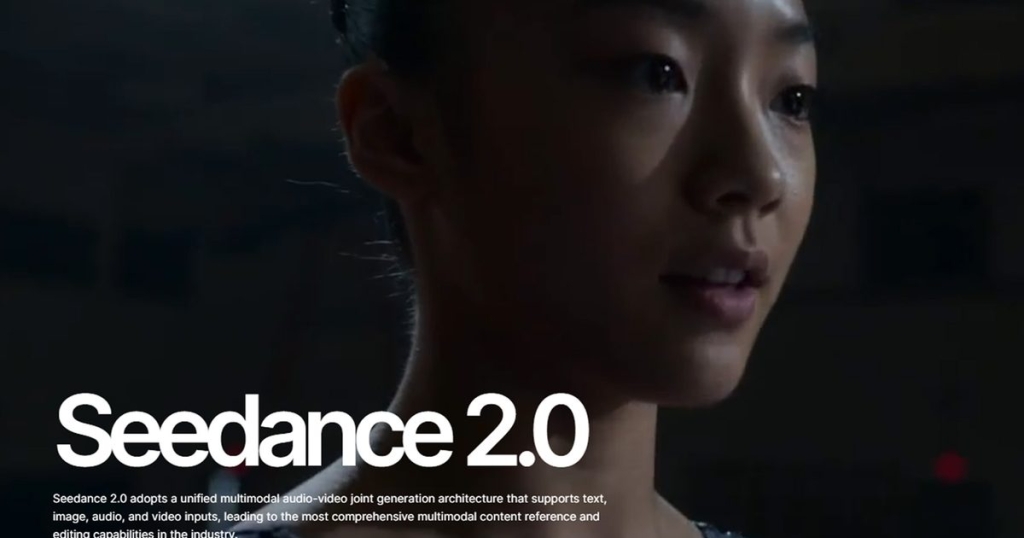
In a surprising twist that’s sending shockwaves through both the tech and entertainment worlds, ByteDance—the Chinese tech giant behind TikTok—has reportedly hit the pause button on the global rollout of its highly anticipated Seedance 2.0 AI video generator. What was poised to be a game-changing leap in AI-powered content creation has now become the latest flashpoint in the ongoing battle between Silicon Valley innovation and Hollywood’s fiercely guarded intellectual property.
The Rise and Viral Fame of Seedance 2.0
When Seedance 2.0 burst onto the scene earlier this year, it didn’t just make waves—it caused a tsunami. The AI model demonstrated an uncanny ability to transform simple text prompts into breathtakingly realistic video clips, complete with fluid motion, dynamic camera work, and characters that looked like they’d stepped straight out of a major motion picture.
Social media platforms lit up with examples of the technology’s capabilities. Users shared clips featuring everything from fantastical landscapes to eerily accurate recreations of beloved characters from popular franchises. The quality was so impressive that many viewers couldn’t distinguish between AI-generated content and traditional filmmaking.
This viral success placed Seedance 2.0 squarely in the competitive arena alongside heavyweights like OpenAI’s Sora and Google’s Veo, both of which have been making headlines for their own text-to-video capabilities. The AI video generation space has become one of the hottest battlegrounds in tech, with companies racing to perfect the technology that many believe will revolutionize content creation.
Hollywood Strikes Back
But with great power comes great legal liability. According to reporting from The Information, ByteDance’s celebration was short-lived. The company now finds itself in the crosshairs of some of the entertainment industry’s biggest players, who are raising serious concerns about how Seedance 2.0 was trained.
The allegations are serious: major studios including Disney, Netflix, and Paramount are reportedly claiming that ByteDance used copyrighted film and television content without permission to train the AI model. Even more troubling for the company, some of the AI-generated outputs apparently reproduced recognizable characters, scenes, and even specific actors from protected works.
Disney has allegedly escalated matters by sending ByteDance a cease-and-desist letter, formally demanding that the company stop what it claims is unauthorized use of its intellectual property. The letter reportedly details specific instances where copyrighted material appears to have been incorporated into both the training process and the resulting AI outputs.
The Copyright Conundrum
This situation highlights a fundamental tension at the heart of modern AI development. These powerful models don’t emerge from nowhere—they require vast amounts of training data to learn patterns, styles, and techniques. For video generation models, that often means analyzing thousands or even millions of existing video clips.
The question that’s now front and center: where does inspiration end and infringement begin? AI companies argue that their models are learning patterns and techniques, not copying specific works. But content creators and rights holders see it differently, viewing unauthorized use of their work to train commercial AI systems as a clear violation of copyright law.
This isn’t just a theoretical concern. The entertainment industry generates hundreds of billions of dollars annually, and the value of intellectual property—from scripts to character designs to performances—is enormous. Studios are understandably protective of these assets, especially as AI technology threatens to democratize content creation in ways that could disrupt traditional business models.
The Technical Challenge
Beyond the legal headaches, ByteDance now faces a significant technical challenge. The company must figure out how to prevent its AI from generating content that infringes on copyrights—a surprisingly difficult problem in the world of machine learning.
Unlike traditional software, where you can simply block specific inputs or outputs, AI models don’t work that way. They generate content based on patterns they’ve learned, and those patterns can be incredibly subtle. Preventing the model from producing copyrighted material without fundamentally breaking its creative capabilities requires sophisticated filtering and monitoring systems.
Sources suggest that ByteDance engineers are working frantically to implement these safeguards before any potential relaunch. This might include better content recognition systems, watermarking technologies, or even retraining portions of the model to avoid problematic associations.
The Global AI Race Hits a Snag
The delay in Seedance 2.0’s rollout represents more than just a setback for ByteDance—it’s a significant moment in the global AI race. China has been pushing aggressively to establish dominance in artificial intelligence, viewing it as crucial for economic and technological leadership in the 21st century.
ByteDance’s troubles highlight how international boundaries don’t protect companies from copyright enforcement. Despite being based in China, ByteDance must contend with American and European copyright laws if it wants to operate globally. This creates a complex landscape where tech companies must navigate not just technical challenges, but also a patchwork of legal frameworks that vary dramatically by region.
What This Means for the Future of AI Video
The Seedance 2.0 situation could set important precedents for how AI video generation develops going forward. If ByteDance, one of the world’s most valuable private companies, can be forced to delay its launch due to copyright concerns, other AI developers will take notice.
We may see a shift toward more conservative approaches to training data, with companies either licensing content or focusing on generating more abstract, less character-specific content. Some developers might even explore synthetic training data—computer-generated content used to train AI systems, which could avoid many copyright issues.
There’s also the possibility of new business models emerging, where rights holders could be compensated for their content’s use in AI training, similar to how musicians earn royalties when their songs are played on streaming platforms.
Industry Reactions
The creative community’s response to Seedance 2.0 has been mixed, though largely skeptical. Many artists, writers, and filmmakers view the technology with a combination of fascination and fear. While they acknowledge the impressive capabilities, there’s widespread concern about how AI might affect employment in creative fields and the value of human creativity.
Some industry veterans have called for clearer regulations around AI training and usage, arguing that the current legal framework wasn’t designed to handle these technologies. Others have suggested that rather than fighting AI, the industry should focus on finding ways to integrate these tools while protecting creators’ rights and livelihoods.
The Road Ahead
As ByteDance works to address these copyright issues, the tech world watches closely. The company’s next moves could influence how other AI developers approach similar challenges. Will they push forward aggressively, testing legal boundaries? Or will they adopt more cautious approaches that respect intellectual property rights from the start?
One thing is certain: the intersection of AI technology and copyright law will continue to be a contentious space. As these tools become more powerful and accessible, finding the right balance between innovation and protection of creative rights will be crucial.
For now, Seedance 2.0 remains in limbo—a powerful technology caught between the promise of AI-driven creativity and the realities of intellectual property law. How ByteDance navigates this challenge could determine not just the fate of this particular model, but also shape the broader landscape of AI content creation for years to come.
Tags & Viral Phrases
- ByteDance copyright scandal
- Seedance 2.0 delayed
- Hollywood vs AI
- AI video generation breakthrough
- Disney sends cease-and-desist
- AI copyright infringement
- Text-to-video AI race
- OpenAI Sora competitor
- ByteDance legal troubles
- AI creative disruption
- Hollywood studios fight back
- Generative AI controversy
- ByteDance TikTok AI
- Seedance 2.0 viral clips
- AI training data lawsuit
- Entertainment industry AI battle
- ByteDance engineers scramble
- AI content creation future
- Hollywood copyright concerns
- ByteDance global rollout paused
- AI video generation copyright
- Seedance 2.0 legal issues
- ByteDance entertainment industry clash
- AI copyright law uncertainty
- Hollywood AI resistance
- ByteDance content generation model
- AI video copyright disputes
- ByteDance creative technology
- Hollywood studios AI concerns
- Seedance 2.0 training data controversy
,

Leave a Reply
Want to join the discussion?Feel free to contribute!